
Last updated September 23, 2026
Whole-system duct and dryer vent check with before-and-after photos - you see exactly what came out of your vents
That "$99 whole-house special" is a bait ad - the real number appears once they are in your hallway, or the "clean" is a shop-vac at the register. We photograph the inside of your ducts before and after instead.
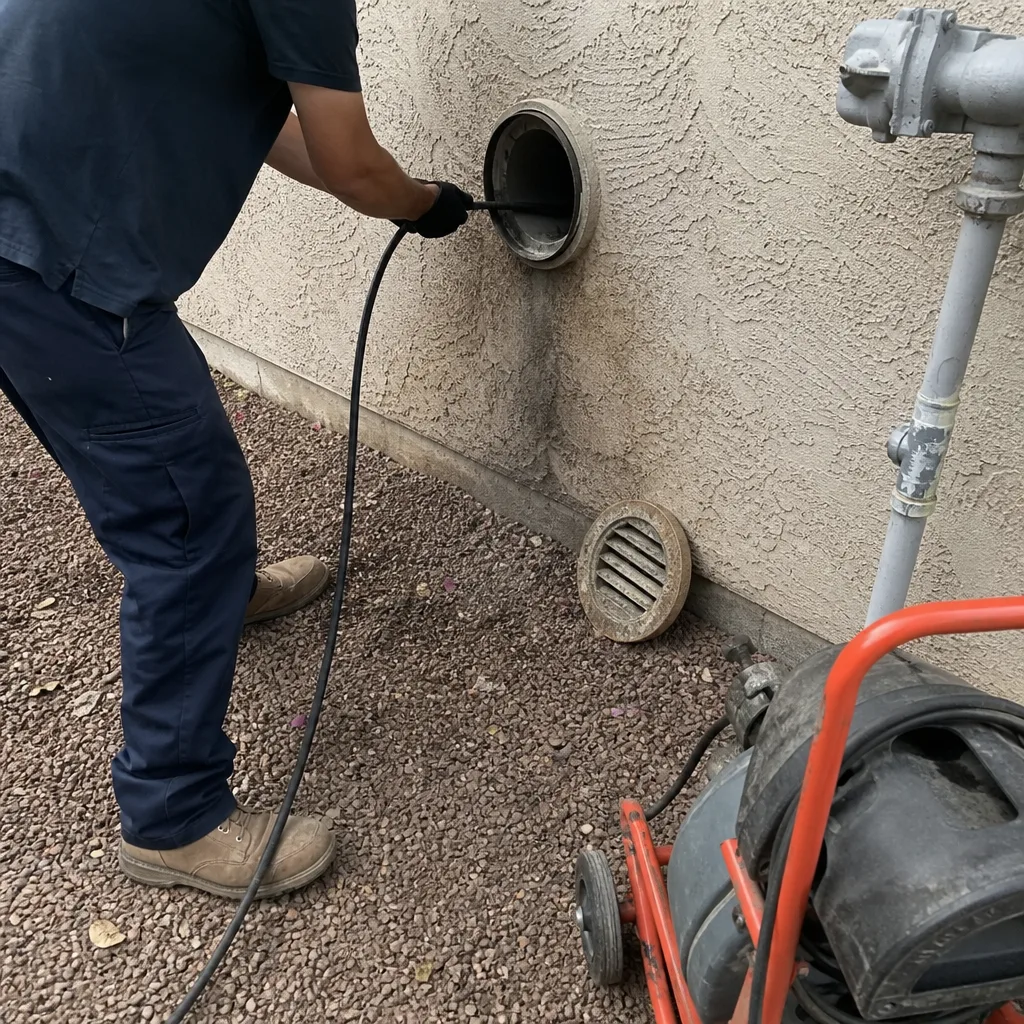 Before
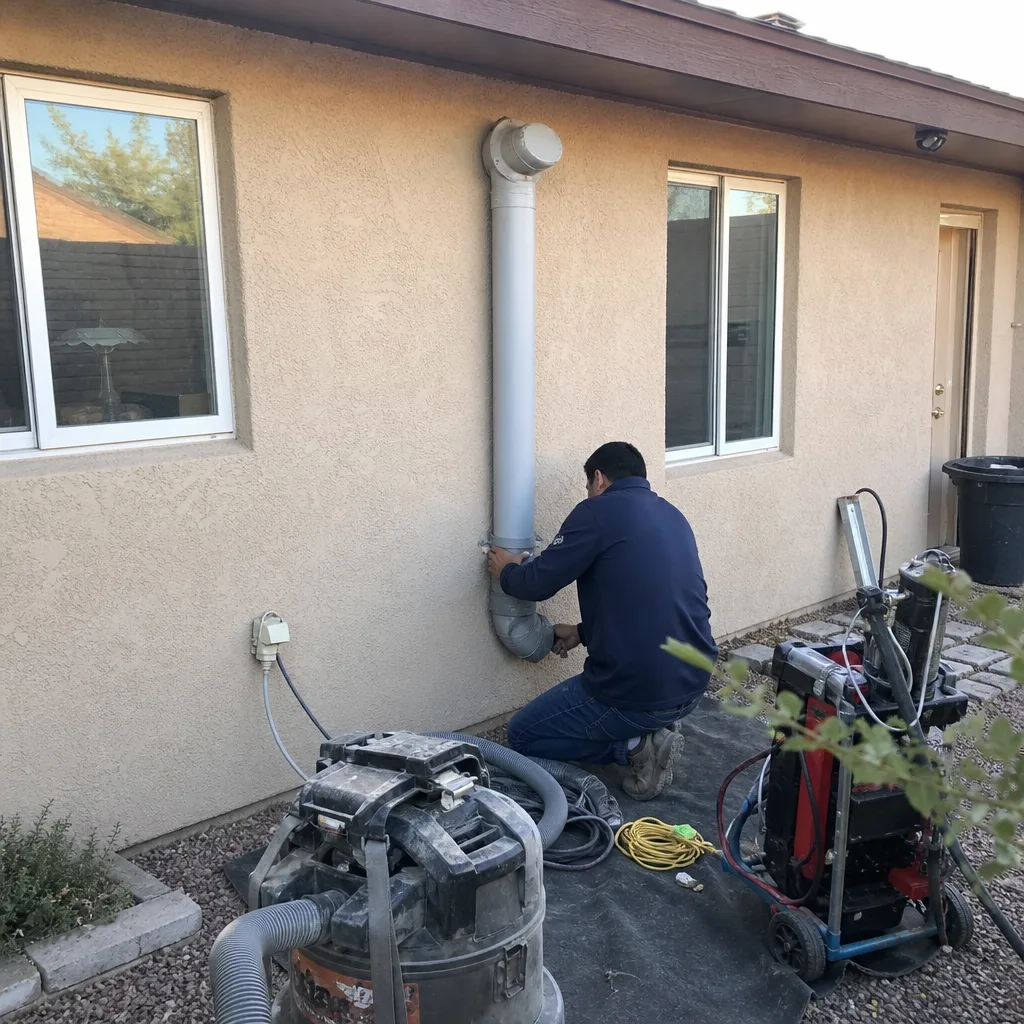 After
After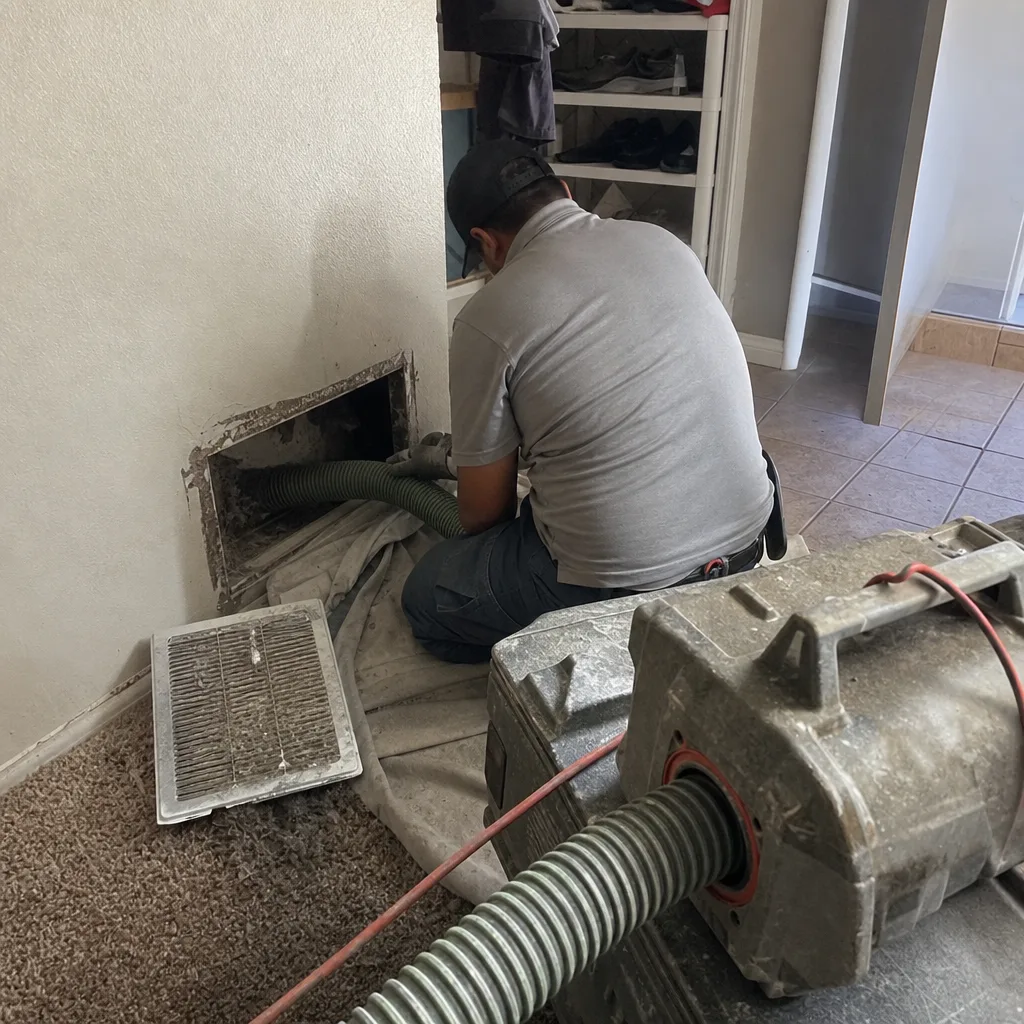 Before
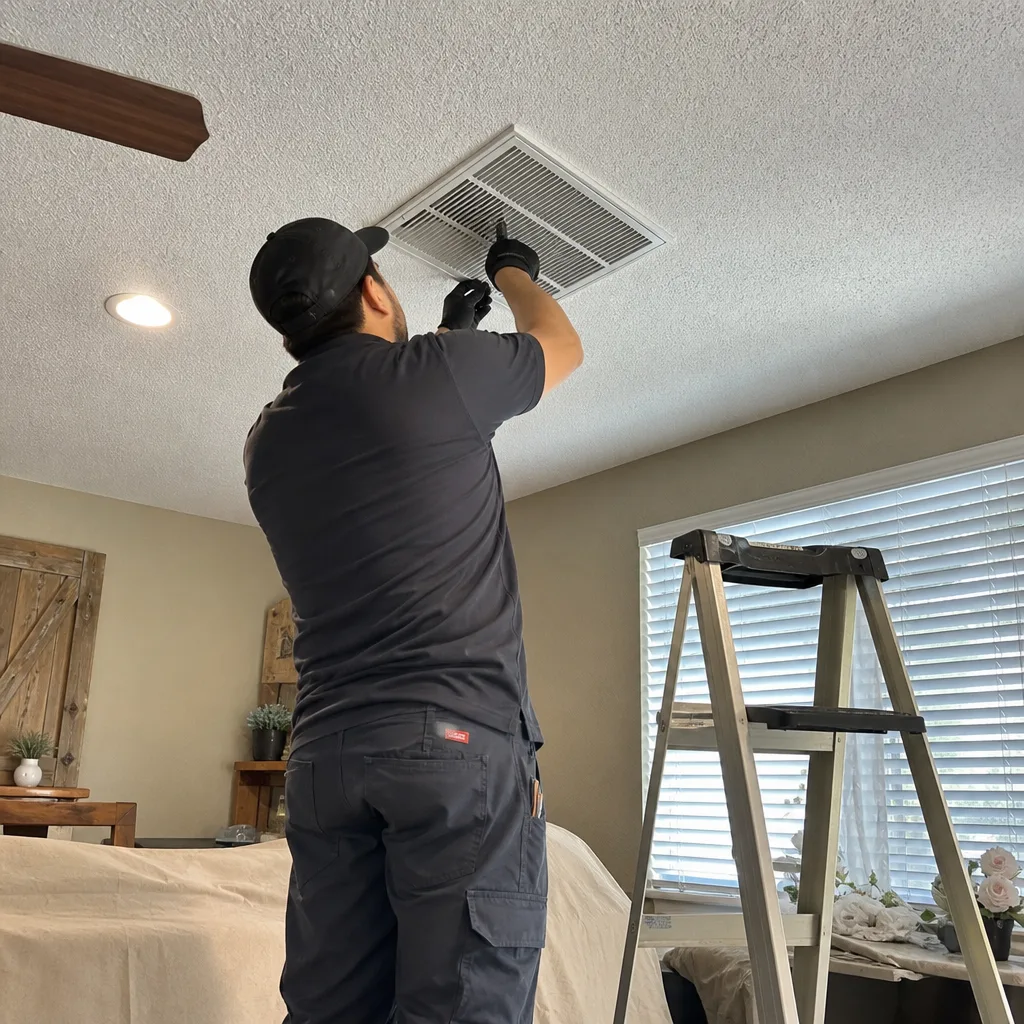 After
After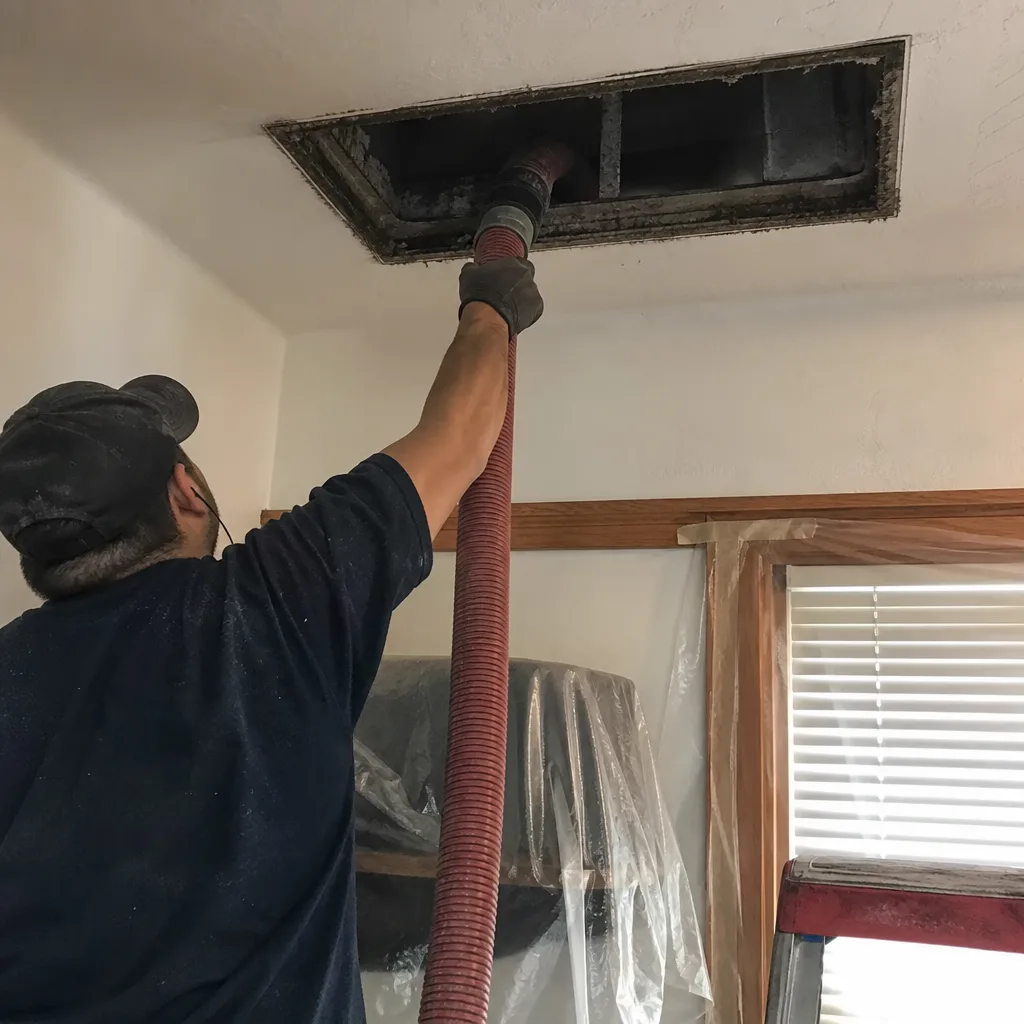 Before
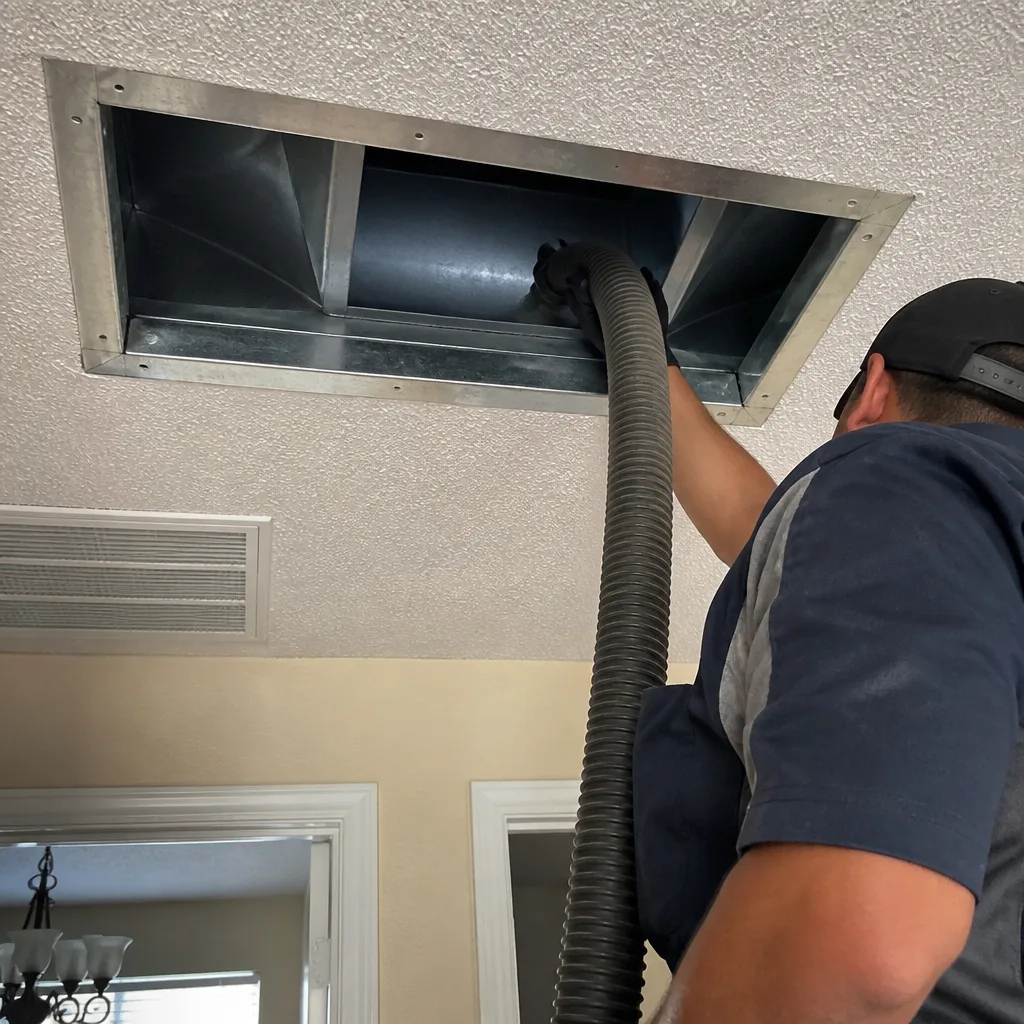 After
AfterThe Complete Guide to Air Duct Cleaning in Mesa
A technician photographed the interior of 47 consecutive Mesa homes before cleaning. The most common finding wasn’t mold, rodents, or pet dander. It was a quarter-inch of compacted construction debris left over from the original build, sometimes 15 years old. In newer Mesa subdivisions like Eastmark and Cadence, we’ve found drywall dust so thick it had formed a solid mat across the plenum floor. This guide replaces price-shopping and marketing claims with a documented framework: what’s actually inside a typical Mesa duct system, what legitimate Air Duct Cleaning services physically accomplish, and what paperwork you should hold when the crew leaves.
Quick Answer
Professional DIY vs Professional Air Duct Cleaning: The Mesa Homeowner’s Decision Guide costs between $400 and $800 for a typical single-family home and should include negative-pressure extraction with a minimum 2,500 CFM vacuum, contact cleaning of every duct run, and a documented photo record of each register before and after. A legitimate job takes 3 to 5 hours for a complete system and concludes with written warranty terms, not a verbal promise.
Table of Contents
- What’s Actually Inside Mesa Ductwork
- What the NADCA ACR Standard Actually Requires
- How Mesa’s Caliche Soil and Monsoon Humidity Affect Your Ducts
- Equipment That Separates Real Cleaning From Vacuum Noise
- Supply Ducts, Return Ducts, and the Air Handler: Why Partial Cleaning Fails
- What a Legitimate Before-and-After Photo Record Looks Like
- The Paperwork You Should Hold at Job Completion
- What Air Duct Cleaning Costs in Mesa
BeforeAfterWhat’s Actually Inside Mesa Ductwork
We’ve opened duct systems in Mesa homes built in 1985 and homes built in 2023. The debris profile changes, but the underlying pattern holds: most contamination isn’t dramatic, and it isn’t healthy.
In pre-2000 Mesa neighborhoods like Dobson Ranch and Leisure World, we commonly find:
- Fiberglass insulation degradation: particles that have broken down over decades of thermal cycling and now circulate through supply registers
- Construction debris from original build: wood chips, drywall mud, and sawdust compacted into elbow joints where airflow velocity drops
- Accumulated pollen and dust: layered like sedimentary rock, with distinct bands corresponding to haboobs and monsoon seasons
In post-2015 construction throughout Mesa Gateway area and Superstition Springs, the surprise is how much new debris enters a “clean” system. During the 2020-2023 building surge, we documented cases where ductwork was installed before interior finishing, then left open during drywall sanding and texture spraying. The result: a 2-inch blanket of fine particulate in the return plenum, invisible from the registers but clearly visible on camera.
What we don’t find often: active mold colonies requiring remediation, rodent infestations, or the dramatic “before” photos used in coupon advertising. When these exist, they’re usually localized to a specific failure point, a water intrusion event, or a disconnected duct run in the attic. The honest baseline for most Mesa homes is chronic, low-grade particulate loading that degrades HVAC efficiency and air quality over years, not a crisis.
Our recommendation: start with a camera inspection, not a sales pitch. At CleanRun Air Duct Cleaning Mesa home, every estimate includes interior photography of at least two representative duct runs. You see what we see before any price is discussed.
What the NADCA ACR Standard Actually Requires
The National Air Duct Cleaners Association publishes the Assessment, Cleaning, and Restoration of HVAC Systems standard, commonly called ACR. Most homeowners have never seen it. Most $79 coupon operators have never read it. Understanding the gap between the standard and typical practice is the single most protective thing you can do before How to Hire a Air Duct Cleaning Contractor in Mesa: A Step-by-Step Guide.
The ACR standard specifies four non-negotiable elements:
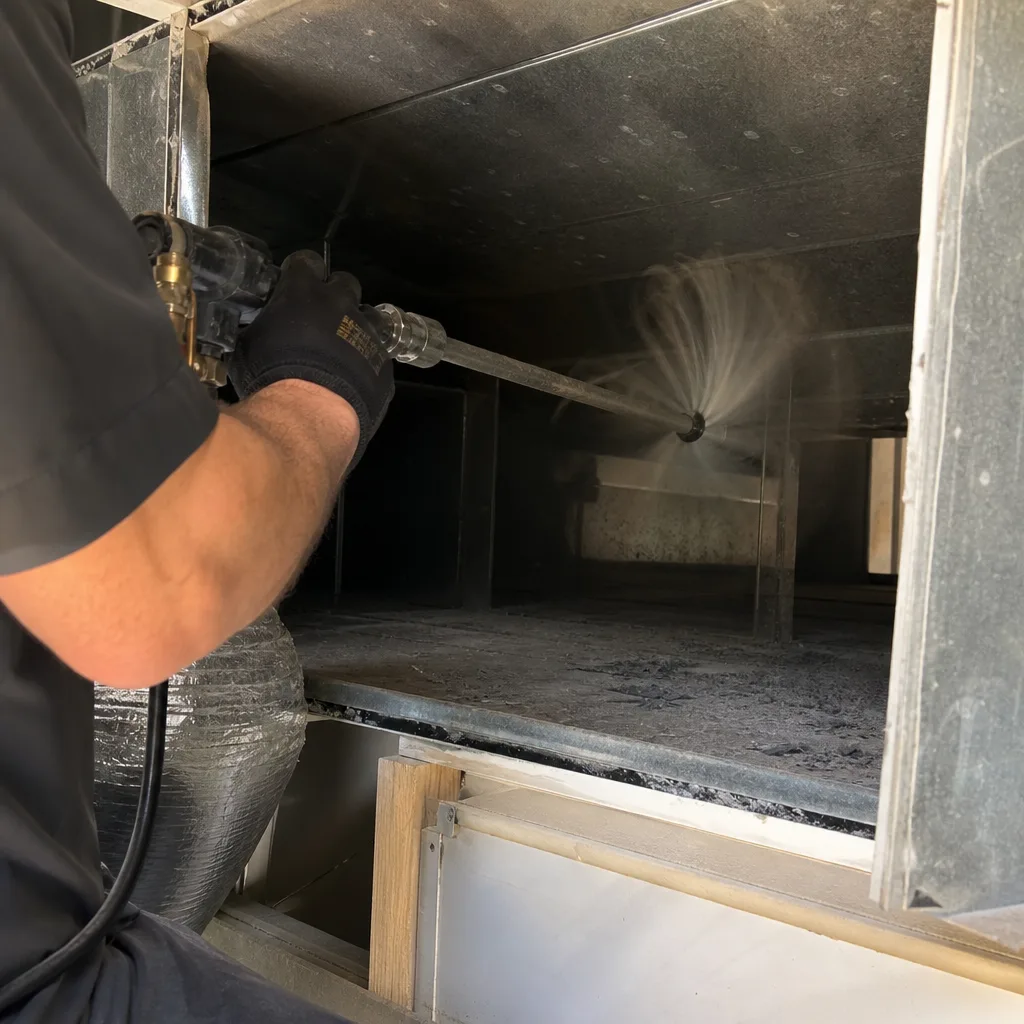
- Source removal, not surface treatment. The standard requires physical dislodgement and extraction of contaminants, not chemical fogging or spray application that leaves debris in place. “Cleaned” means removed.
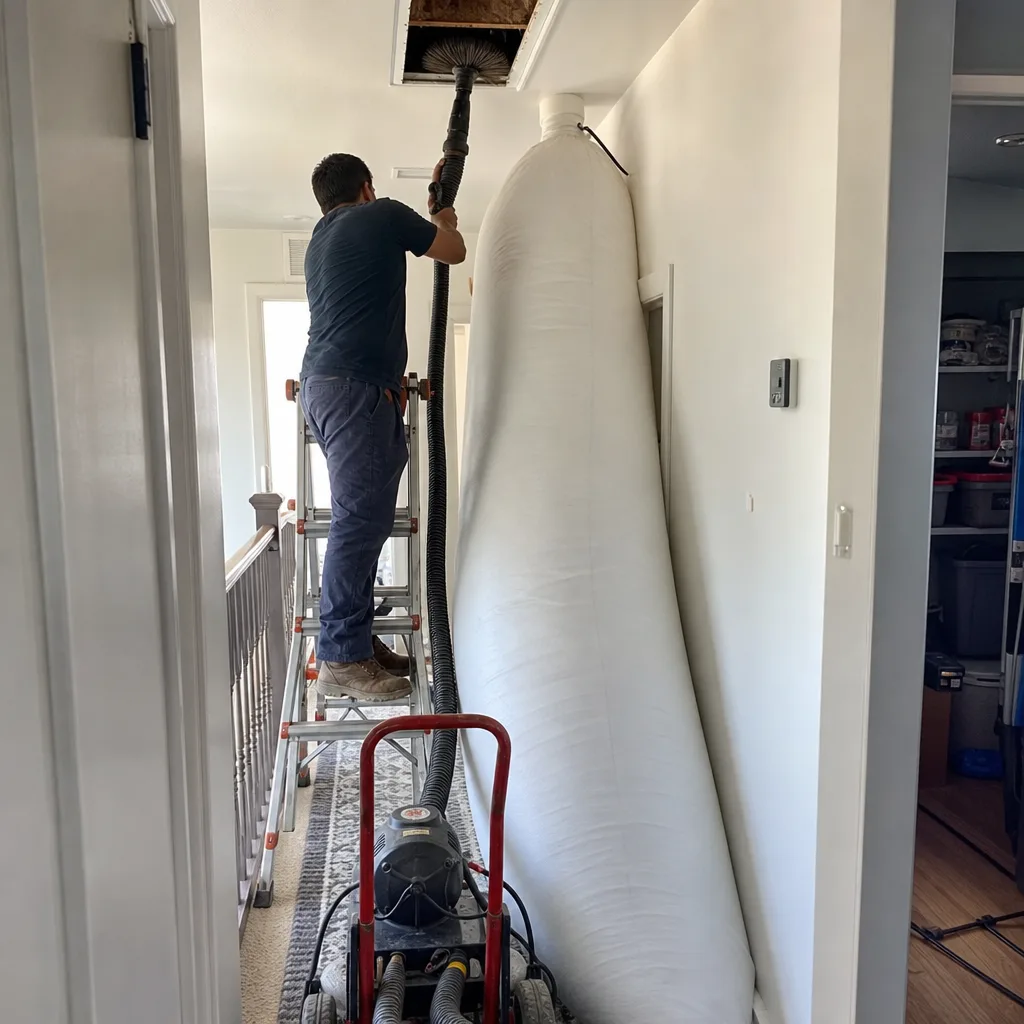
- Negative-pressure containment during agitation. The vacuum system must maintain continuous negative pressure on the ductwork while mechanical agitation occurs, preventing debris from escaping into occupied space. This requires sealed access ports, not open registers with a shop vacuum nearby.
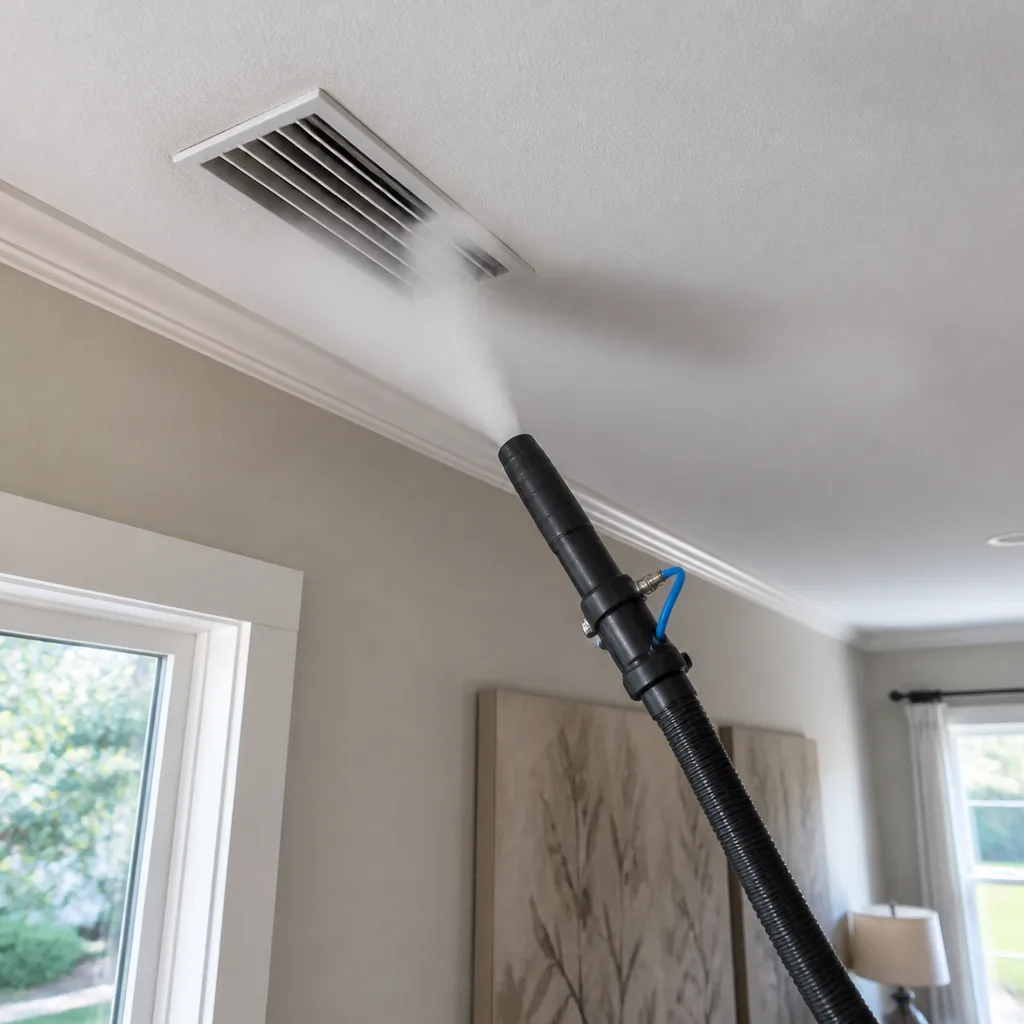
- Contact cleaning of all internal surfaces. Every surface must be physically contacted by a cleaning device: rotary brush, compressed air whip, or equivalent. Blowing air through a duct without mechanical contact does not meet the standard.
- Post-cleaning verification. The system must be inspected after cleaning to confirm contamination has been removed to acceptable levels. Visual inspection is the minimum; video or photographic documentation is the professional standard.
Here’s what the standard does NOT permit: cleaning only “the main lines” while skipping branch ducts. Cleaning from registers only, without access to the plenum. Using equipment that cannot maintain negative pressure during agitation. Applying antimicrobial chemicals as a substitute for physical removal.
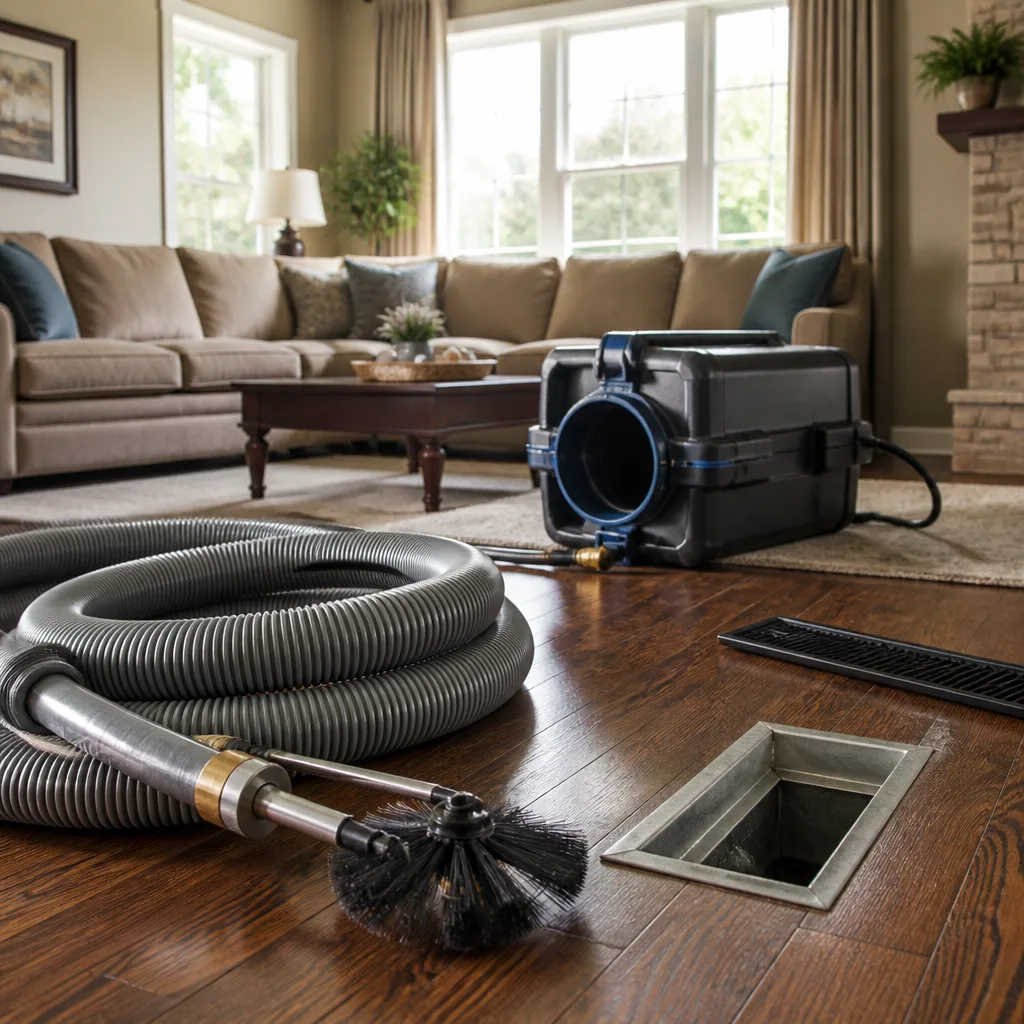
The equipment implications are specific. ACR-compliant negative-pressure extraction requires a vacuum source capable of maintaining adequate airflow at the duct access point. For residential systems, this generally means 2,500 CFM minimum at the vacuum hose, measured at the equipment, not the manufacturer’s blower rating. Point-of-contact vacuum systems, where a small vacuum head travels through the duct, are acceptable for light contamination but insufficient for heavy debris loading without supplemental agitation and containment.
At CleanRun, we use Rotobrush systems for residential duct runs where the debris profile matches the equipment’s design parameters, and Abatement Technologies portable HEPA extraction units where negative-pressure containment requirements exceed standard residential conditions. We select equipment based on what the camera shows, not what we brought in the truck.
How Mesa’s Caliche Soil and Monsoon Humidity Affect Your Ducts
Mesa’s environment creates a debris profile distinct from humid-climate cities like Houston or Atlanta. Understanding this difference explains why local experience matters and why cleaning protocols developed elsewhere may underperform here.
Caliche soil and alkaline dust. Mesa sits on a caliche hardpan layer that produces fine, alkaline particulate with high mineral content. This dust is abrasive, hygroscopic (moisture-attracting), and tends to electrostatically bond to galvanized steel ductwork. In our experience, caliche dust requires more aggressive mechanical agitation than organic household dust. We’ve found it packed into the seams of flex duct, where it forms a cement-like crust that compressed-air whips alone won’t dislodge.
Monsoon humidity spikes. From July through September, relative humidity in Mesa can spike from 15% to 80% in hours. Duct systems in unconditioned attics experience these swings acutely. The thermal mass of metal ductwork causes condensation on exterior surfaces during humidity spikes, and any interior debris with hygroscopic properties, caliche dust included, absorbs moisture and swells. This cycle, repeated annually, compacts debris against duct walls and can support microbial growth in insulated flex duct where the vapor barrier has degraded.
Haboob particulate loading. The dust storms that reach Mesa from the south and west carry a specific mineral fingerprint: fine silicates, agricultural soil, and occasionally pollen from desert vegetation. This material enters duct systems through return air pathways, particularly in homes with aging filter systems or filter bypass gaps. We’ve photographed haboob debris layers in Mesa homes that correspond to specific storm events, identifiable by the pollen species present.
Seasonal temperature extremes. Mesa attics reach 140°F in summer and drop below 40°F in winter. This thermal cycling degrades duct sealant, flex duct insulation, and fiberglass board. Degraded materials become part of the debris load. In 2022, we documented a Superstition Springs home where the original duct sealant had become brittle and was circulating as small black particles through the supply system.
The practical implication: a technician who understands Mesa’s climate recognizes that “dust” here has different physical properties than dust in Portland or Chicago. The agitation method, vacuum CFM requirement, and inspection protocol should reflect that.
Equipment That Separates Real Cleaning From Vacuum Noise
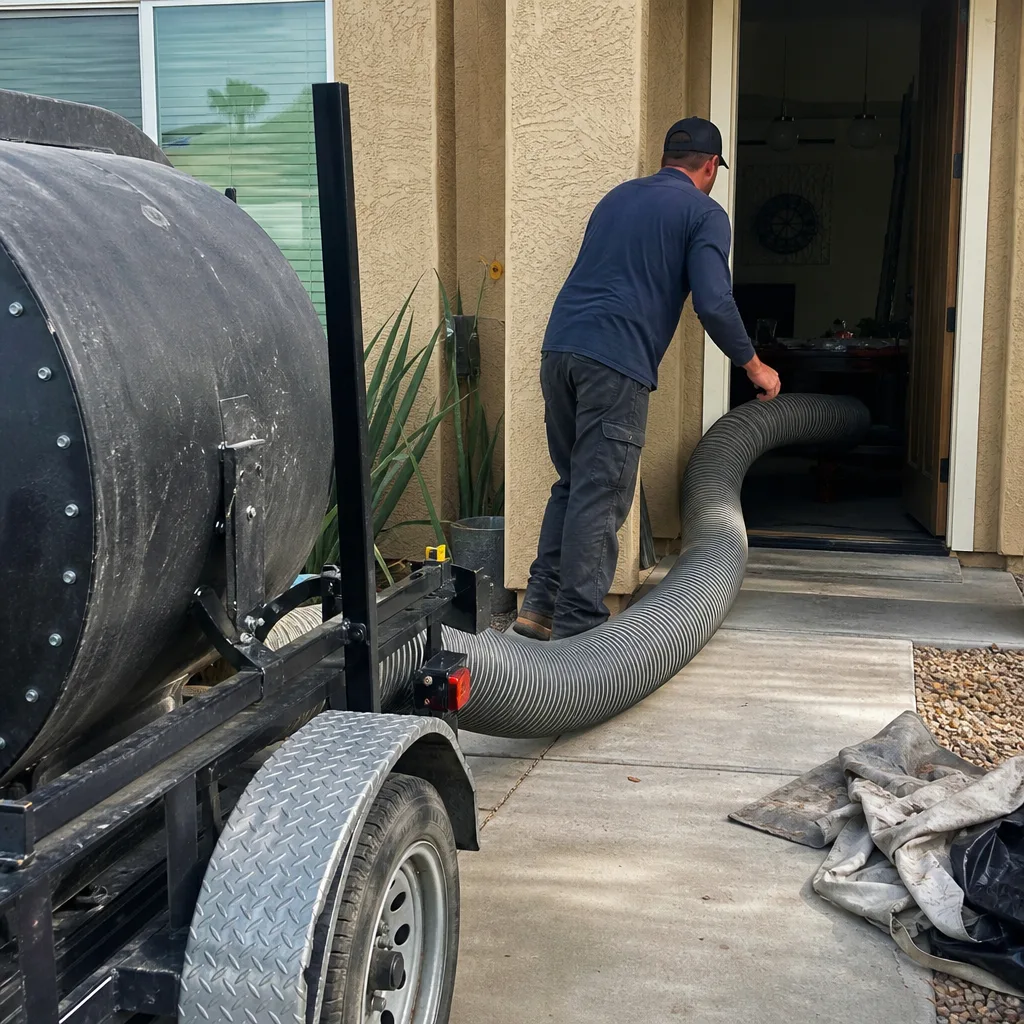
The air duct cleaning industry has a hardware problem. The same trade name covers equipment ranging from $400 shop-vac adaptations to $15,000 HEPA-negative-pressure systems. Homeowners rarely see the equipment before the job starts. Here’s how to distinguish them.
Negative-pressure extraction units. These are the large machines, often trailer-mounted or on dedicated vehicle platforms, that create vacuum at the duct system level. Key specification: sustained CFM at the duct access point, not the blower’s free-air rating. A 5,000 CFM blower rating means little if hose length and diameter reduce effective suction to 800 CFM at the register. Professional units from Abatement Technologies and Nikro publish performance curves showing CFM at specified hose lengths. We use these curves to size equipment to the job.
Contact agitation devices. Negative pressure alone doesn’t clean. Debris must be dislodged. Options include:
- Rotary brush systems, like Rotobrush, with self-contained vacuum: effective for light to moderate debris in round ductwork, limited in rectangular metal duct or heavy compaction
- Compressed-air whip systems: multiple flexible tentacles that pneumatically strike duct surfaces, effective for dislodging adhered material without mechanical abrasion risk to flex duct
- Manual contact vacuuming: technician-operated vacuum heads with brush attachments, necessary for plenum cleaning and accessible duct sections where mechanical devices won’t fit
HEPA filtration. The vacuum exhaust must be HEPA-filtered, not just “filtered.” This is non-negotiable for occupied-space work. Abatement Technologies and Nikro systems we use carry independently tested HEPA certification on their filtration stages.
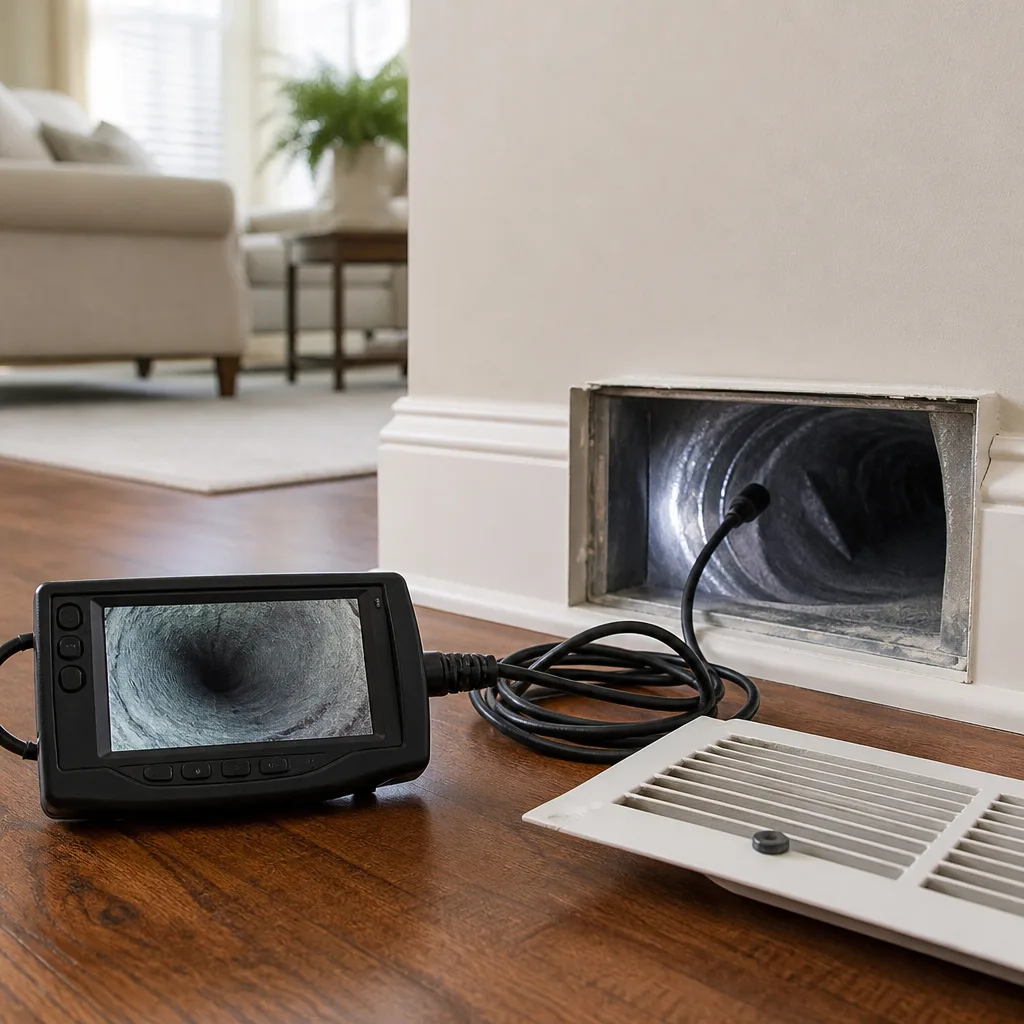
Camera systems. Documentation requires visual access. We use push cameras with articulating heads to photograph every duct run before and after cleaning. The camera is not optional equipment; it’s the verification method that makes every other claim testable.
What we don’t use: ozone generators as primary cleaning (not source removal per ACR), chemical foggers without mechanical cleaning (leaves debris in place), or shop vacuums with brush attachments (insufficient CFM and no containment).
Supply Ducts, Return Ducts, and the Air Handler: Why Partial Cleaning Fails
A complete residential HVAC system in Mesa has three segments that interact continuously. Cleaning one while ignoring the others leaves contamination active and often redistributes it.
Return ducts and return plenum. These draw air from your living space back to the air handler. They’re the system’s intake, and they’re typically the dirtiest segment. Return ducts run at negative pressure, so they pull in debris from any leak point: attic dust, insulation particles, and unfiltered air bypassing the filter rack. In Mesa homes with filter systems in the hallway ceiling, we’ve found return plenums loaded with debris that never passed through a filter. Cleaning returns without sealing leak points afterward is temporary improvement at best.
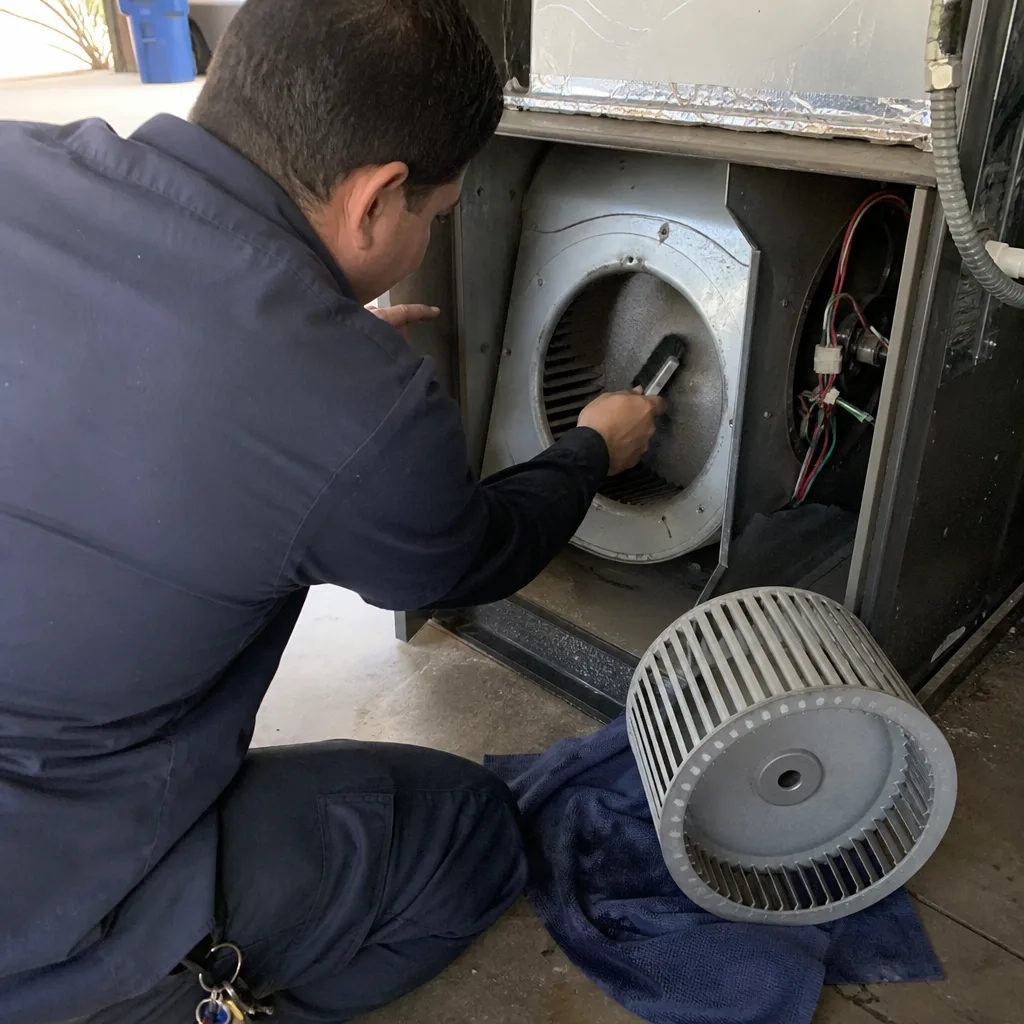
Air handler cabinet. This contains the blower, evaporator coil, and heat exchanger. It’s the junction between return and supply. A dirty blower wheel or clogged evaporator coil recontaminates supply air immediately after duct cleaning. The ACR standard includes air handler cleaning as part of complete system service. We photograph the blower wheel and coil condition during every estimate; if they’re contaminated, we include cleaning in the scope or explain the consequences of deferring it.
Supply ducts and registers. These deliver conditioned air to rooms. Supply ducts run at positive pressure, so leaks blow air out, not pull debris in. The contamination here is typically what has passed through the air handler and settled in low-velocity sections: duct elbows, long horizontal runs, and register boots. In Mesa’s alkaline dust environment, supply duct contamination often shows as a uniform gray film that accumulates over years.
The failure mode of partial cleaning: a coupon service cleans only “up to 10 supply registers,” leaving the return system and air handler untouched. The blower immediately recirculates return-side debris into the “cleaned” supplies. Within weeks, register surfaces show new accumulation. The customer concludes “duct cleaning doesn’t work,” when what failed was incomplete scope.
At Air Duct Cleaning in Mesa, our written scope specifies every segment to be cleaned, with line-item documentation for each. No surprises, no omissions.
What a Legitimate Before-and-After Photo Record Looks Like
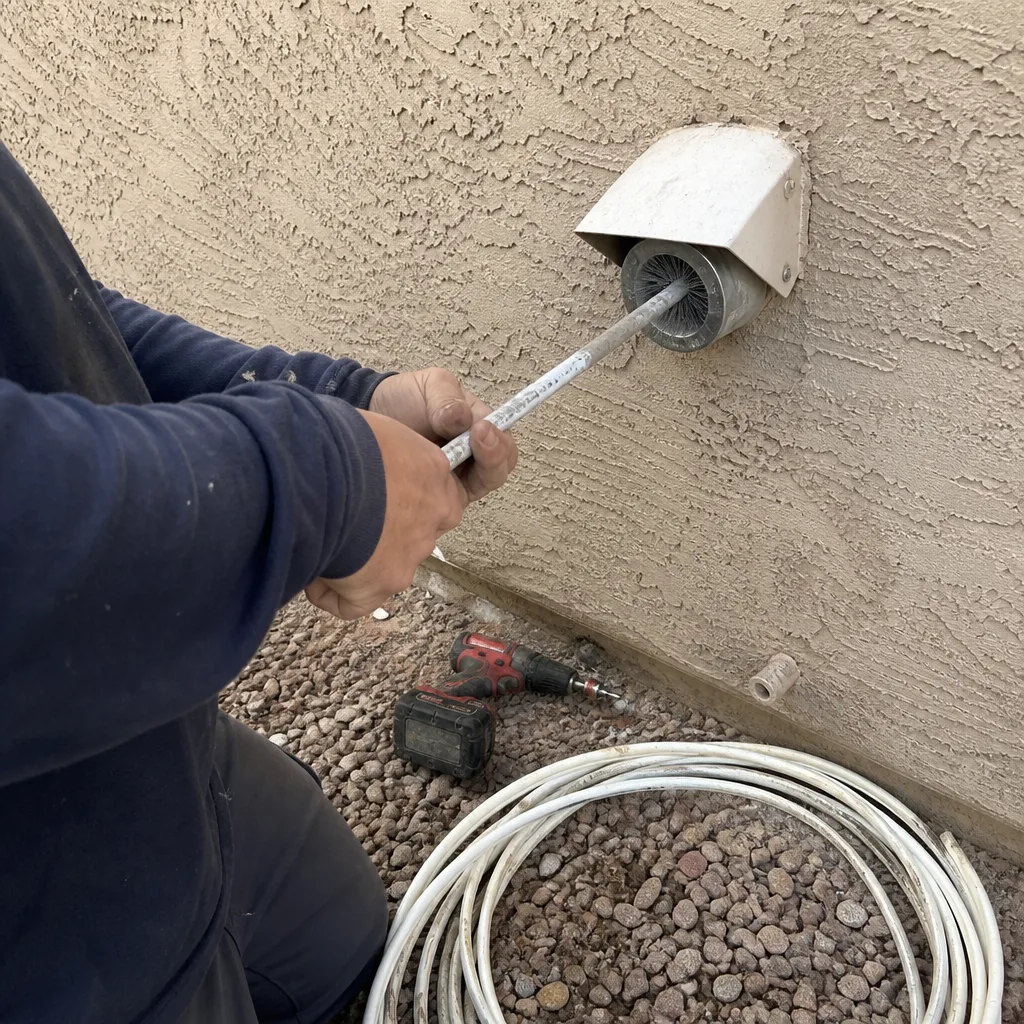
The photo record is where most duct cleaning claims become testable. A verbal assurance that “your ducts are clean” is worthless. A photo of a single register surface proves nothing about the duct run behind it. Here’s what legitimate documentation includes.
Indexed by duct run, not by “system.” A typical Mesa home has 8 to 16 supply registers and 2 to 4 return registers. Each corresponds to a distinct duct run with its own contamination profile. Our photo record indexes images by register location: “Master bedroom, south wall supply” or “Hallway return, ceiling.” This matters because contamination is rarely uniform. We’ve documented homes where one duct run was heavily contaminated from a nearby construction event while others were nearly clean. A single “system” photo would obscure this variation.
Interior duct photography, not register surface shots. The critical image shows the interior duct surface 2 to 4 feet from the register opening, where the camera has passed the boot and entered the duct run. Register surface photos are easy to fake with a quick wipe. Interior photography requires equipment access and shows actual duct condition. Our standard is a minimum of 24 inches into every run.
Consistent lighting and angle. Before and after images must be comparable. We use camera systems with fixed LED lighting and mark insertion depth for consistency. A before image at 36 inches and an after image at 12 inches from the register are not comparable documentation.
Timestamp and technician identification. Every image carries metadata: date, time, and technician name. This is Haven Standard Clause 3: Verified Crews in practice. You know who was in your home and when the documentation was created.
Delivered as standard, not upon request. The photo record is part of the job record, not a premium add-on. At job completion, Mesa homeowners receive: written scope of work, indexed photo record, and warranty terms. For more guides & resources on maintaining your system, visit our blog. These are concrete deliverables, not vague reassurances.
We’ve maintained this practice since our first job in 2013. Over 52,000 homes later, the photo record remains our most powerful quality control tool. When a customer calls with a concern, we pull the images and discuss what the camera showed. No disputes, no memory dependence, no he-said-she-said.
The Paperwork You Should Hold at Job Completion
Legitimate air duct cleaning concludes with documentation you can file, reference, and transfer to a future homeowner. Here’s what Mesa homeowners should receive and why each document matters.
Written scope of work, signed before work begins. This is Haven Standard Clause 1: No-Hassle Upfront Pricing. The scope specifies every segment to be cleaned (supply ducts, return ducts, air handler components), equipment to be used, and total price. No per-vent add-ons, no “discovered” charges after work starts. You sign once, before any panel comes off, and that price is binding.
Indexed photo record. As described above: interior duct photography before and after, by register location, with timestamps. This is your verification that work was performed as specified.
Warranty terms in plain language. Our 365-Day Done Right Promise is printed on every invoice, not referenced in marketing copy alone. It states: if the work is not right, we make it right. Specific terms include: re-cleaning at no charge if post-service inspection shows remaining contamination, repair at no charge if cleaning process damages any component, and refund option if neither remedy satisfies. The warranty names the company, the coverage period, and the remedy. No “satisfaction guaranteed” without specifics.
Equipment and chemical disclosure. If any chemical treatment is applied, the documentation includes product name, EPA registration number, application location, and safety data sheet reference. We rarely apply chemicals, preferring mechanical source removal, but when we do, you have the record.
Technician identification. Name and license verification for every crew member who entered your home. Haven Standard Clause 3: Verified Crews requires background-checked, uniformed technicians identified by name before arrival.
Keep these documents with your home maintenance records. They transfer to future owners as evidence of professional maintenance. They support warranty claims if needed. And they distinguish legitimate work from the undocumented visit that leaves you with a receipt and a memory.
What Air Duct Cleaning Costs in Mesa
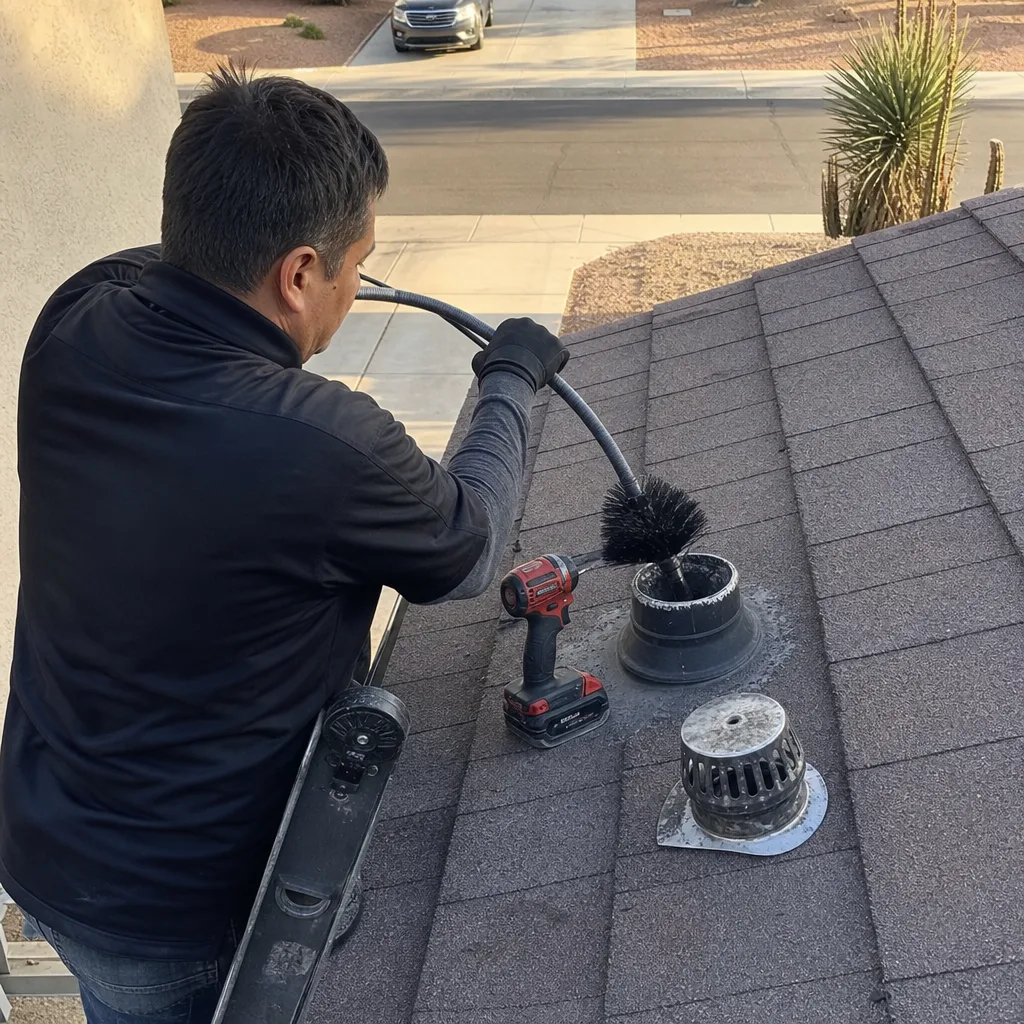
Price transparency is Haven Standard Clause 1. Here’s what professional air duct cleaning costs in Mesa, based on system size and scope, with the specific factors that move pricing within these ranges.
| System Type | Complete Cleaning Scope | Price Range |
|---|---|---|
| Small home or condo (up to 1,200 sq ft, 6-8 supply registers) | All supply ducts, all return ducts, air handler blower wheel, photo record | $400 – $550 |
| Typical single-family home (1,200-2,400 sq ft, 10-14 supply registers) | All supply ducts, all return ducts, air handler blower wheel and coil, photo record | $550 – $800 |
| Large home or multi-zone system (2,400+ sq ft, 16+ supply registers, multiple returns) | All supply ducts, all return ducts, full air handler service, zone damper inspection, photo record | $800 – $1,400 |
| New construction or renovation cleanup | Heavy debris removal, multiple access cuts, extended vacuum time, photo record | $700 – $1,200 |
Factors that increase price within these ranges:
- Heavy construction debris requiring additional agitation time and access port creation
- Contaminated evaporator coil requiring chemical-free foaming clean (we use Guardsman-approved methods)
- Disconnected or damaged ductwork requiring repair before effective cleaning
- Multiple HVAC systems (common in Mesa homes with guest casitas or additions)
Factors that should NOT affect price: number of vents alone (pricing by segment, not by counting registers), “discovery” of contamination after work starts (scope should be verifiable before agreement), or equipment “upgrades” to standard professional tools.
Why some Mesa quotes are cheaper: The $79-$199 coupon model typically covers register surface vacuuming only, with upsells for “main lines,” “sanitizing,” and per-vent charges that push final invoices to $600+. The equipment is often a shop vacuum with a brush attachment, not negative-pressure extraction. No photo record is provided. No warranty terms are written. The customer pays less upfront and more overall, with no documentation of what was actually done.
Our approach: one flat price per system, agreed in writing before work starts, with every segment specified and every duct run photographed. Call (602) 632-0849 for a written estimate at no charge.
Common Mistakes to Avoid
- Hiring based on coupon price without verifying equipment. Ask for the vacuum CFM rating and brand. If the technician can’t name the equipment or produces a consumer shop vacuum, you’re not getting source removal.
- Accepting “sanitizing” or “disinfecting” as a substitute for cleaning. Chemical application without mechanical debris removal leaves contamination in place. The ACR standard requires source removal first.
- Cleaning only supply registers while ignoring returns and air handler. This is the most common partial-service model in Mesa. The system recirculates debris immediately, and the customer blames the concept rather than the incomplete execution.
- Skipping the photo record. Without interior duct photography, no claim of “clean” is verifiable. Demand indexed before-and-after images as a standard deliverable, not a premium option.
- Ignoring duct leakage before or after cleaning. Mesa’s caliche dust enters through return leaks; cleaned ducts with unsealed leaks recontaminate quickly. Ask about leakage testing or include sealing in the scope.
- Scheduling during monsoon season without addressing humidity. If your system has active microbial growth from summer humidity spikes, cleaning without addressing the moisture source is temporary. We inspect for this condition and specify remediation if found.
- Paying per-vent or accepting post-work upsells. This is the bait-and-switch pattern. A legitimate scope is complete and priced before any work begins.
When to Call a Professional
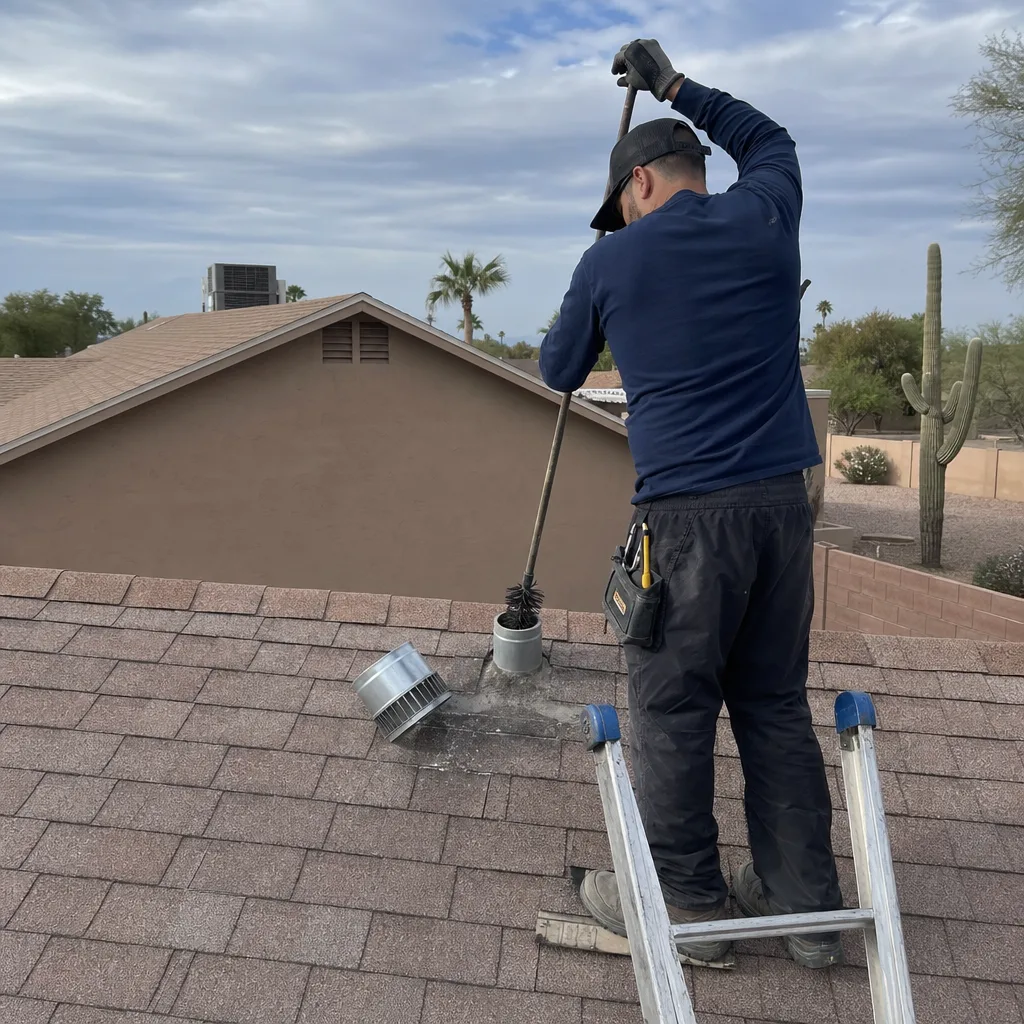
Call for a camera inspection, not necessarily a cleaning, when you notice visible dust accumulation at registers shortly after cleaning, uneven airflow between rooms, or musty odors when the system cycles on. These symptoms indicate duct contamination or leakage that visual inspection from the living space won’t reveal.
Call for immediate service if you find pest debris, standing water in ductwork, or visible mold growth on register surfaces. These conditions indicate system failures beyond routine maintenance.
Call for a documented baseline if you’ve purchased a Mesa home built between 2015 and 2023. Construction practices during the building surge left debris loads that won’t show symptoms for years but degrade system efficiency from day one.
HVAC Cleaning in Mesa is part of complete system service when the air handler shows contamination. We evaluate this during every estimate and specify what’s needed.
CleanRun Air Duct Cleaning Mesa offers free estimates in Mesa. Every estimate includes interior photography of representative duct runs and a written scope with firm pricing. Call (602) 632-0849.
Frequently Asked Questions
Complete air duct cleaning for a typical Mesa single-family home ranges from $550 to $800, with smaller homes starting around $400 and large or multi-zone systems reaching $1,400. The price should include all supply ducts, all return ducts, air handler components, and a documented photo record. Call (602) 632-0849 for a written estimate specific to your home.
The $79-$199 coupon model typically covers register surface vacuuming only, with per-vent upsells that push final invoices well above the professional range. The equipment is often inadequate for source removal, no photo record is provided, and no written warranty is offered. A legitimate quote specifies complete scope and equipment before work begins.
Require an indexed photo record showing the interior of every duct run before and after cleaning, with timestamps and technician identification. Without this documentation, no claim of “clean” is verifiable. The photo record should be delivered as standard, not upon request or for an additional fee.
For most Mesa homes, every 5 to 7 years with standard 1-inch pleated filters changed quarterly. Homes with pets, recent construction, or occupants with respiratory sensitivity may need service every 3 to 4 years. New construction homes in Mesa should receive an initial inspection after the first year of occupancy.
Mesa’s caliche soil produces abrasive, alkaline dust that bonds aggressively to duct surfaces, and monsoon humidity spikes create conditions for debris compaction and microbial growth in insulated duct. These factors don’t necessarily increase frequency for all homes, but they do increase the importance of proper mechanical agitation and negative-pressure extraction when cleaning is performed.
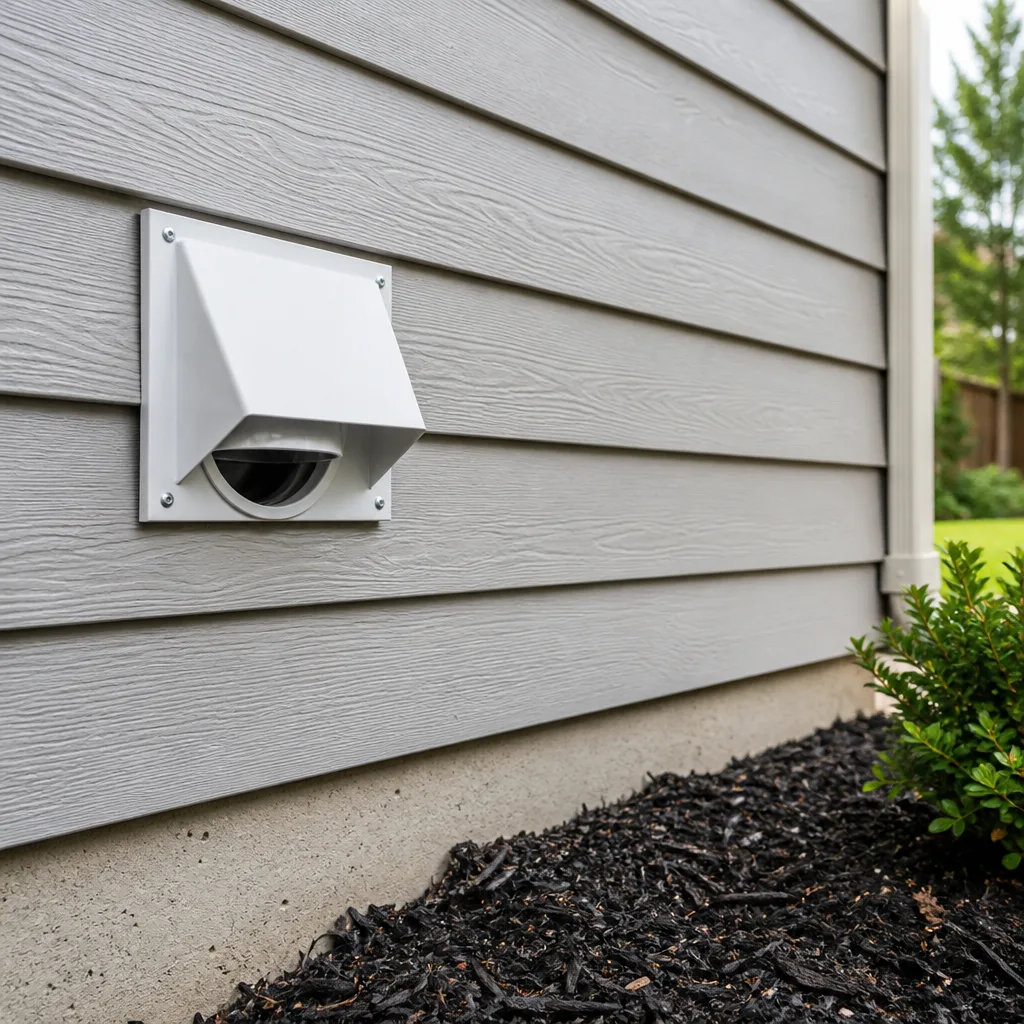
Air duct cleaning addresses the HVAC distribution system that heats and cools your home. Dryer Vent Cleaning in Mesa addresses the exhaust duct from your clothes dryer to the exterior, removing lint accumulation that creates fire risk. The equipment, access methods, and safety considerations are entirely different. We offer both services but specify them separately in scope and pricing.
The Bottom Line
Air duct cleaning in Mesa is a documented service, not a commodity. The difference between legitimate work and vacuum noise lies in four verifiable elements: negative-pressure extraction with adequate CFM, mechanical contact cleaning of every duct run, a photo record indexed by register location, and written scope and warranty delivered before any work begins. Most Mesa homeowners will find construction debris and compacted caliche dust, not dramatic contamination. The value is in removing this chronic loading with accountable methods, not in responding to alarming marketing. Ask for the camera view, the equipment specifications, and the written price. Everything else is conversation.
Written by Tomas Reyes, Owner at CleanRun Air Duct Cleaning Mesa, serving Mesa since 2013.