
Last updated September 23, 2026
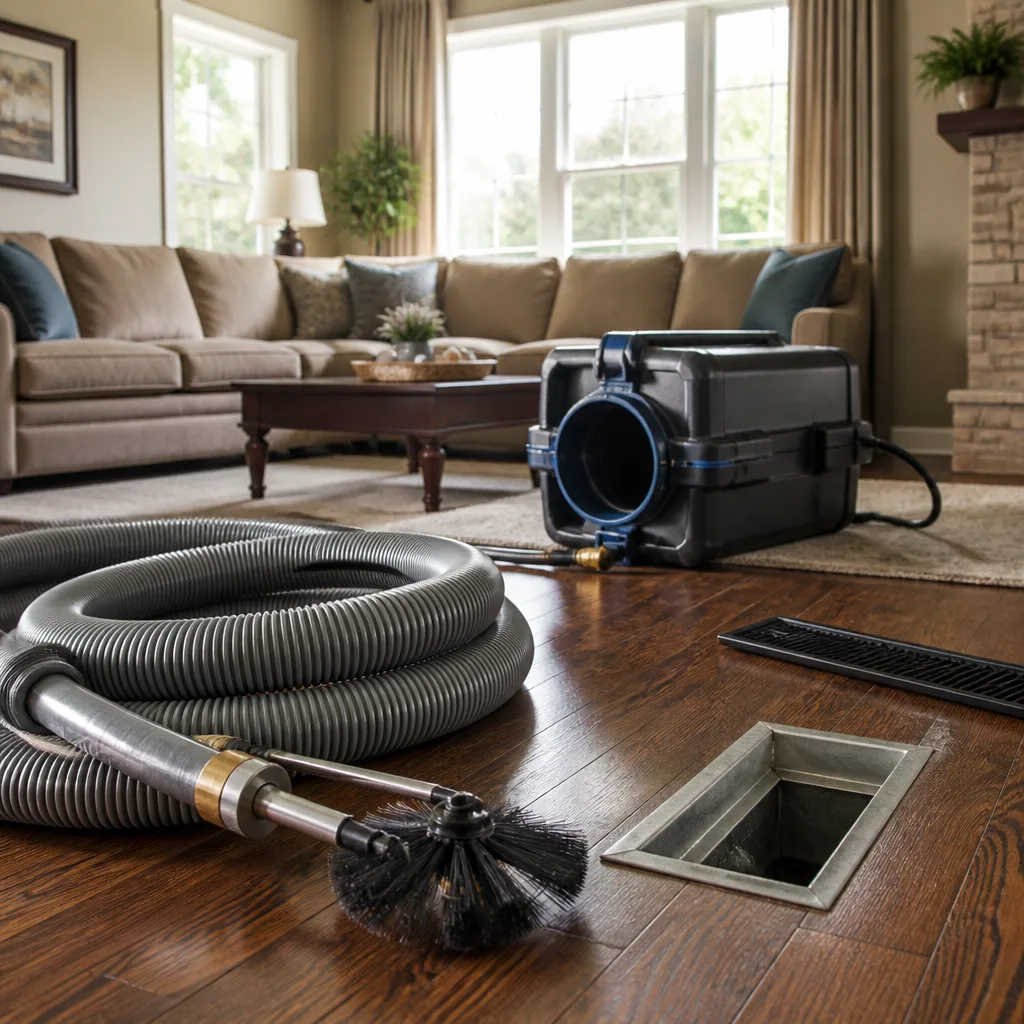
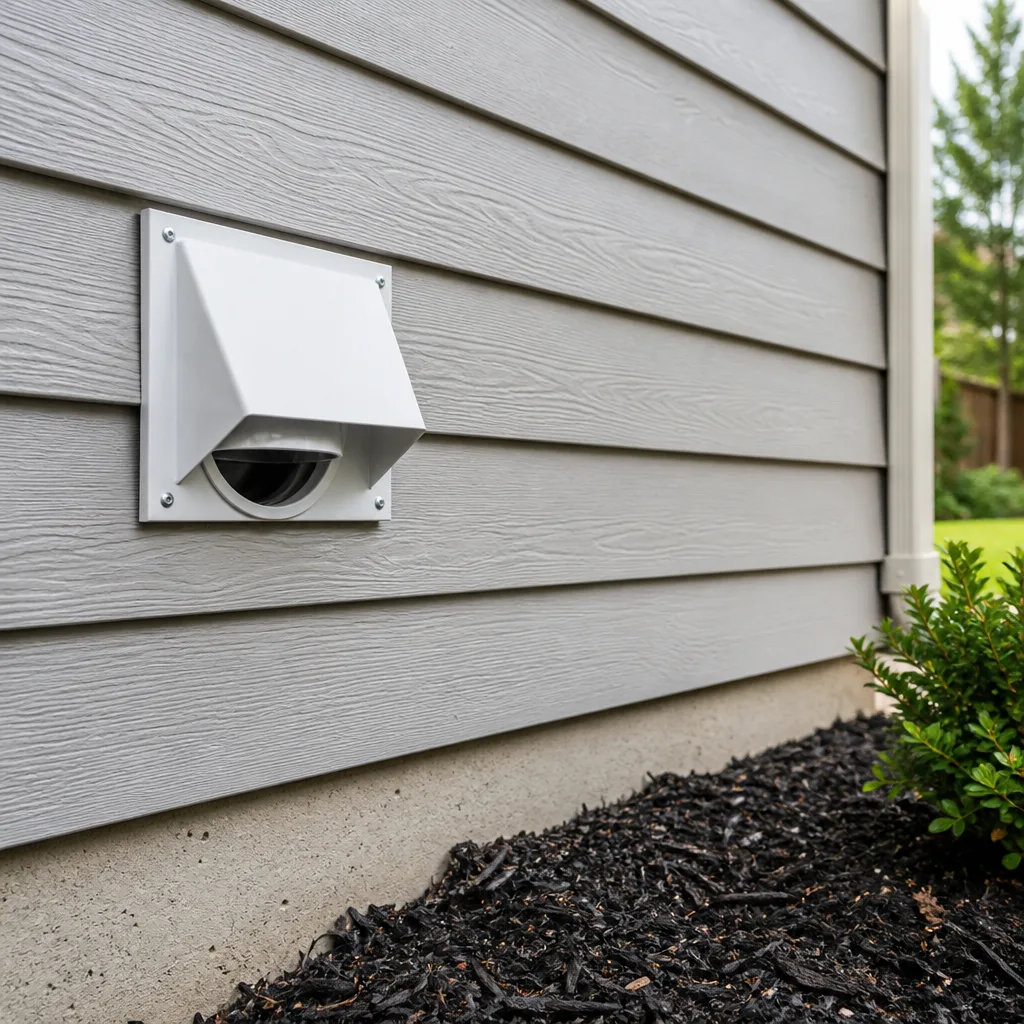
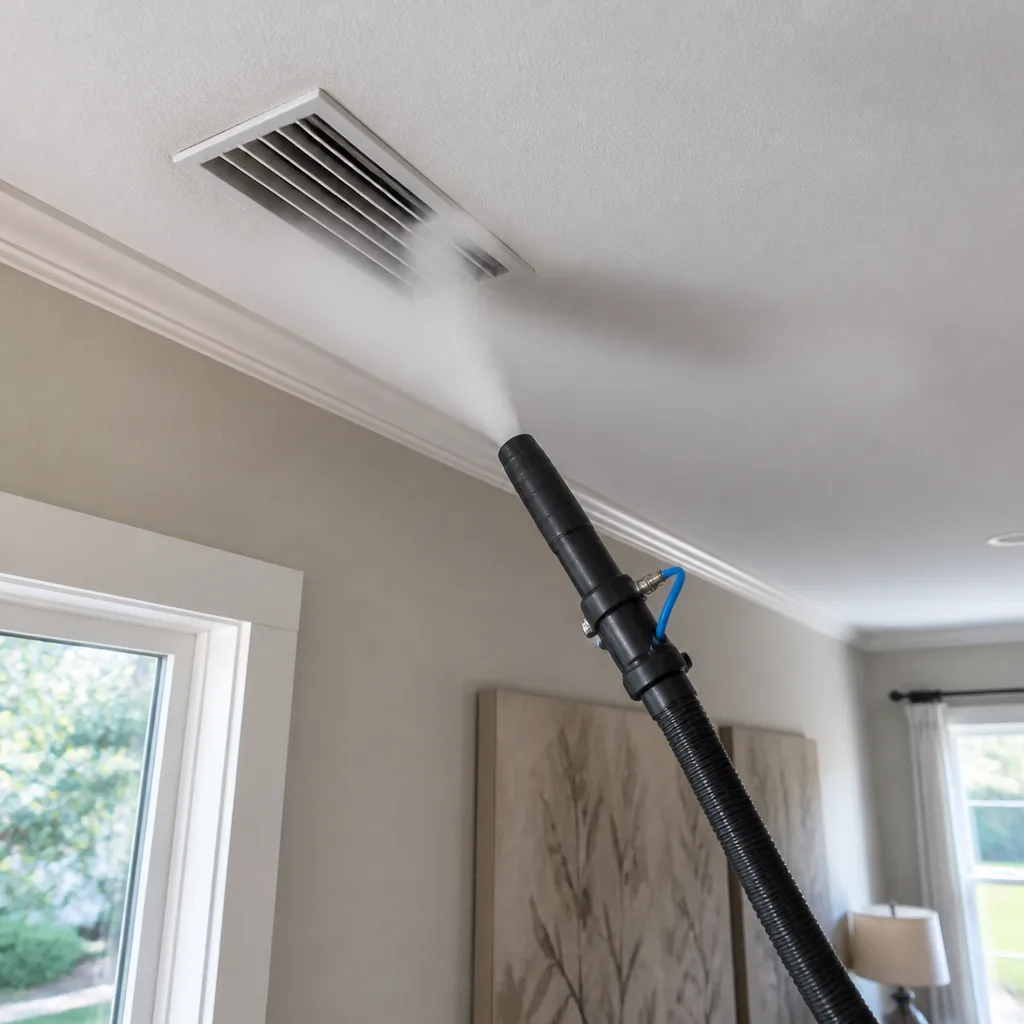
Whole-system duct and dryer vent check with before-and-after photos - you see exactly what came out of your vents
That "$99 whole-house special" is a bait ad - the real number appears once they are in your hallway, or the "clean" is a shop-vac at the register. We photograph the inside of your ducts before and after instead.
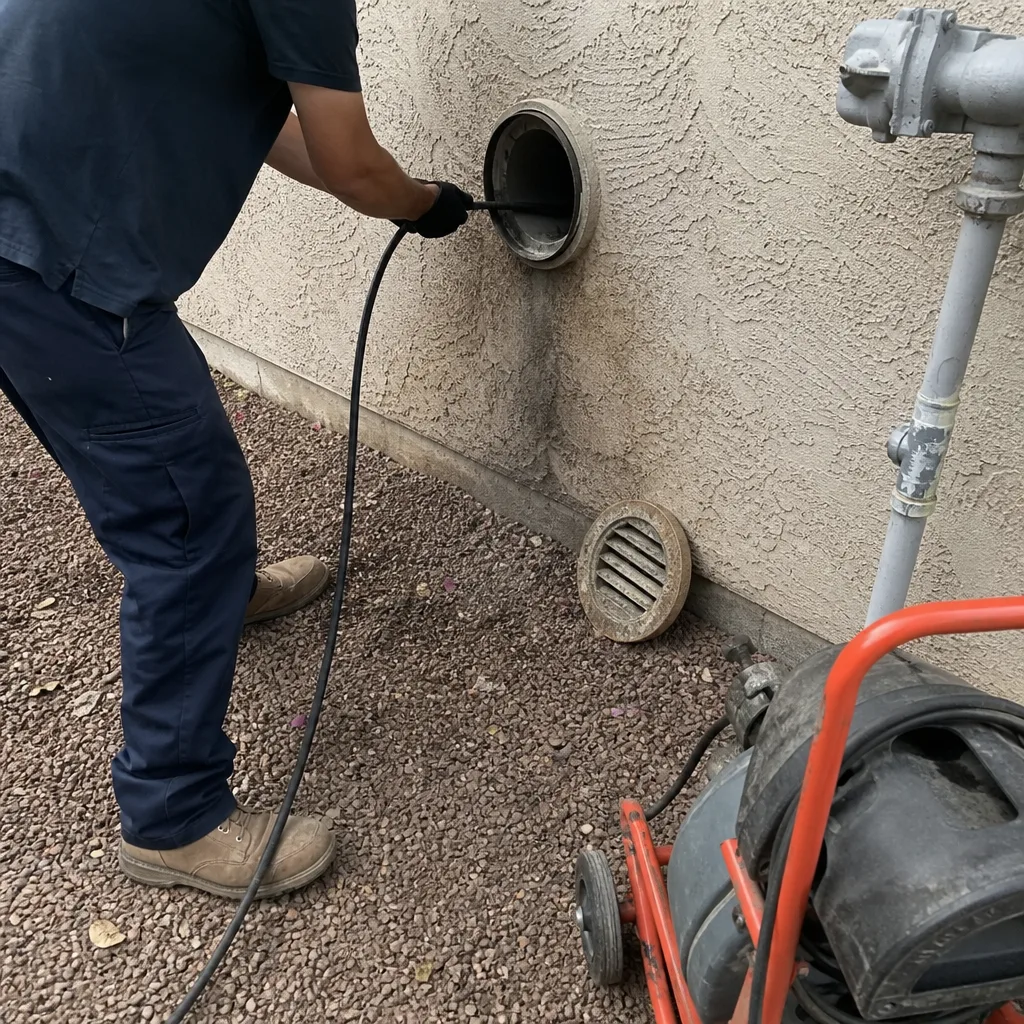 Before
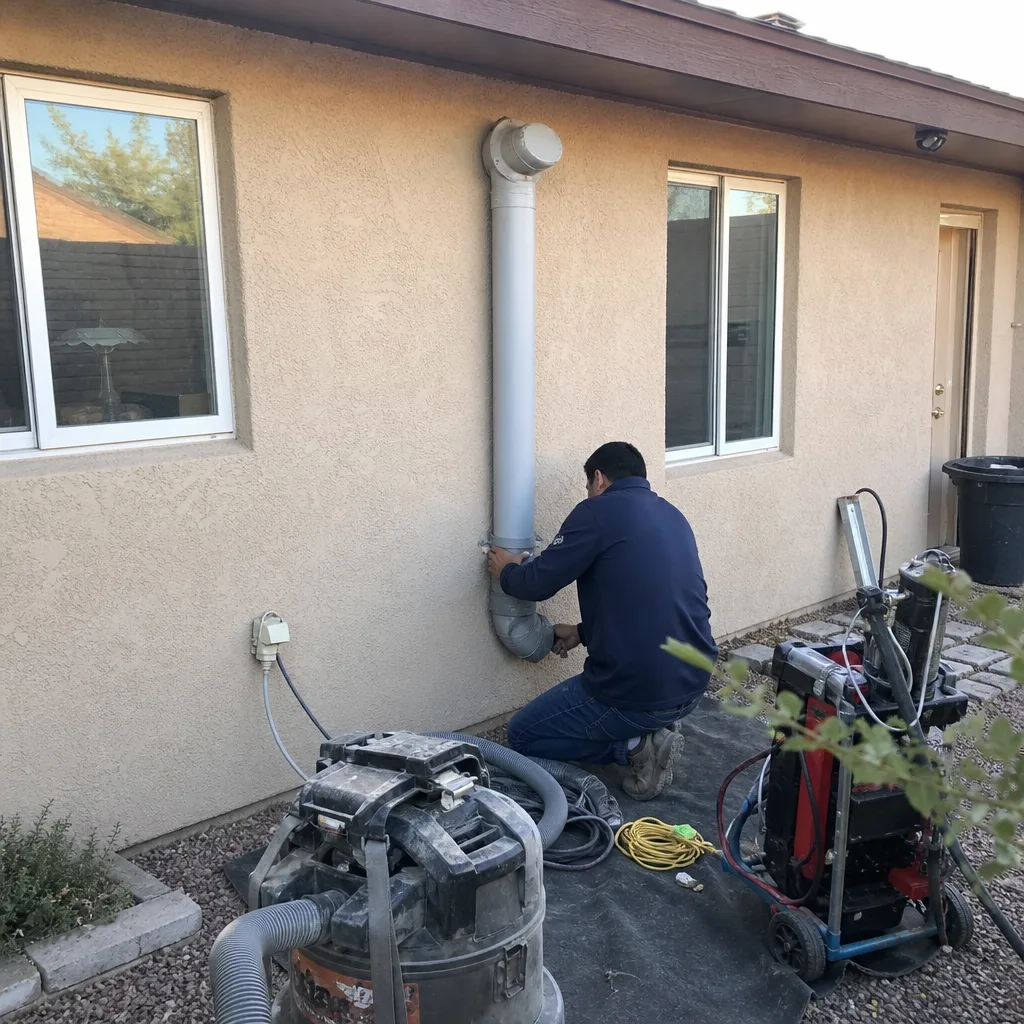 After
After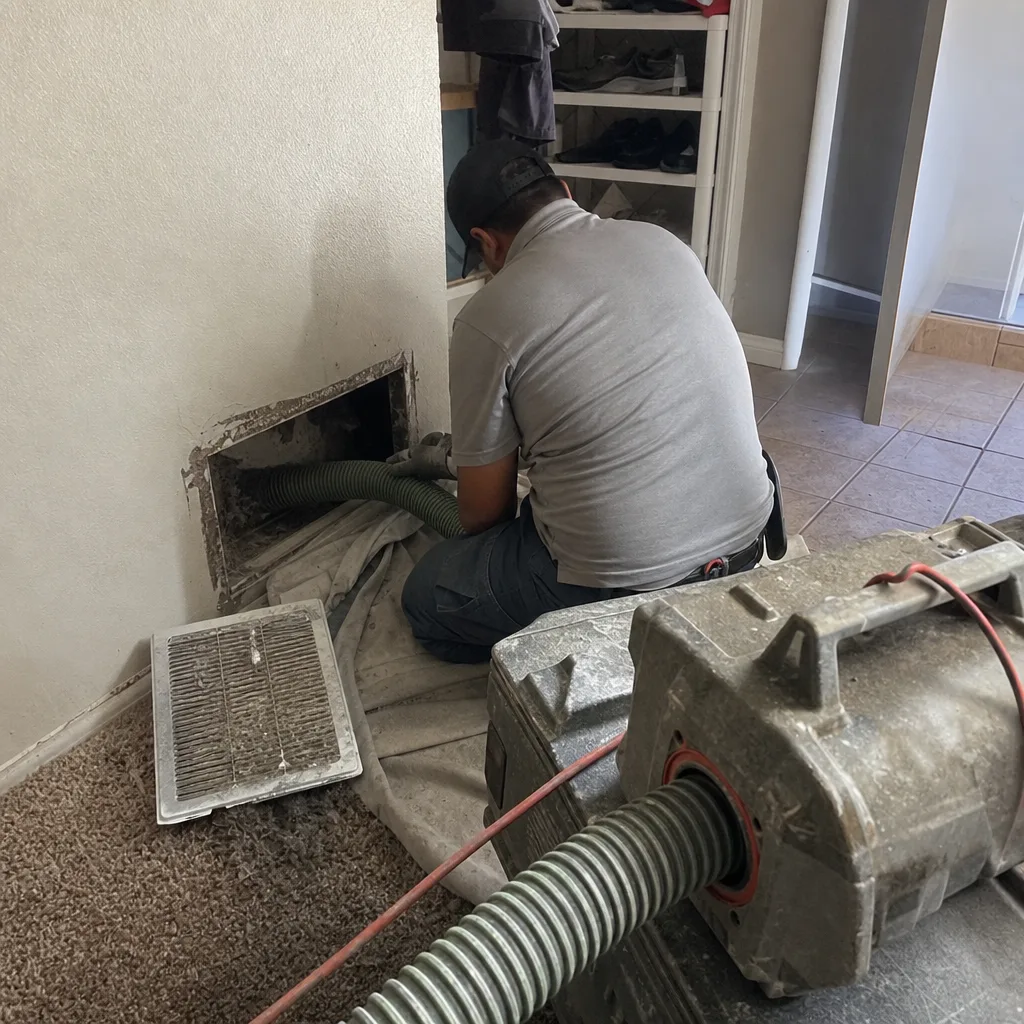 Before
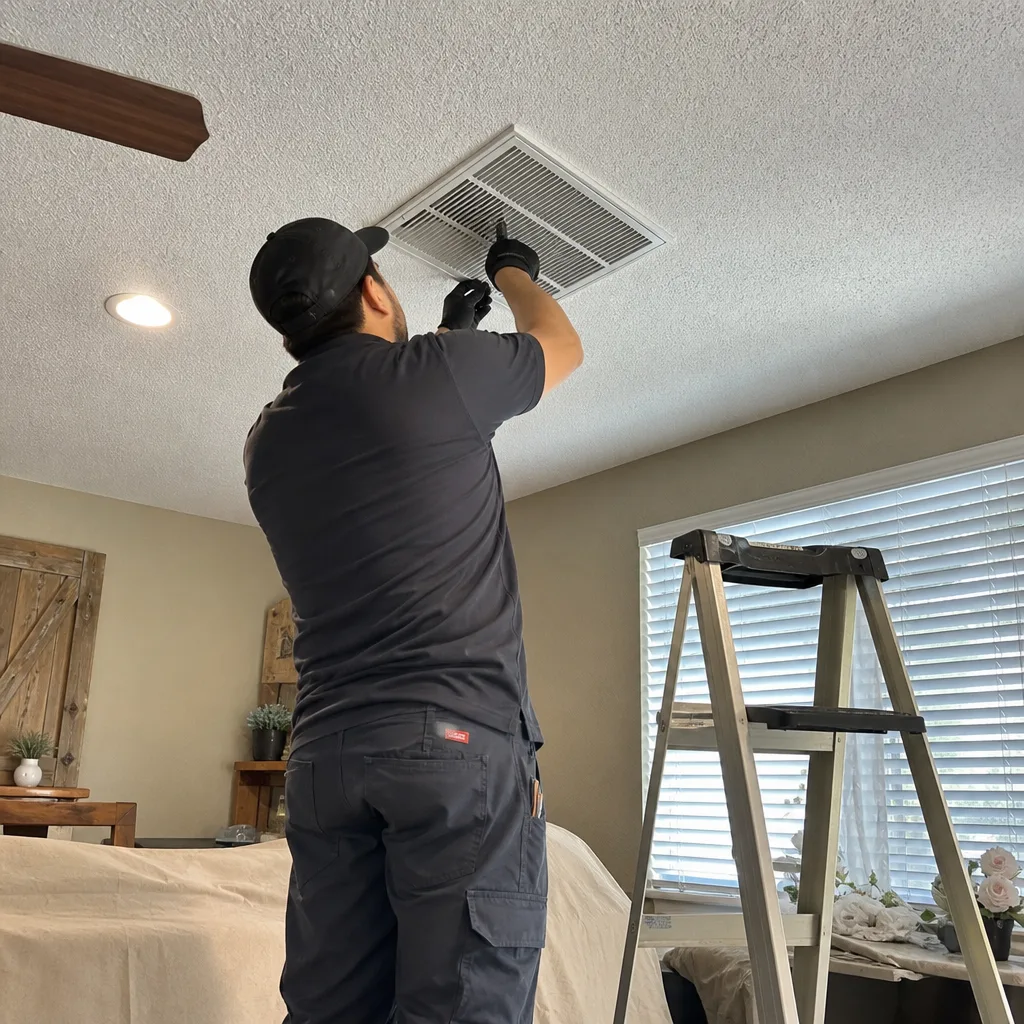 After
After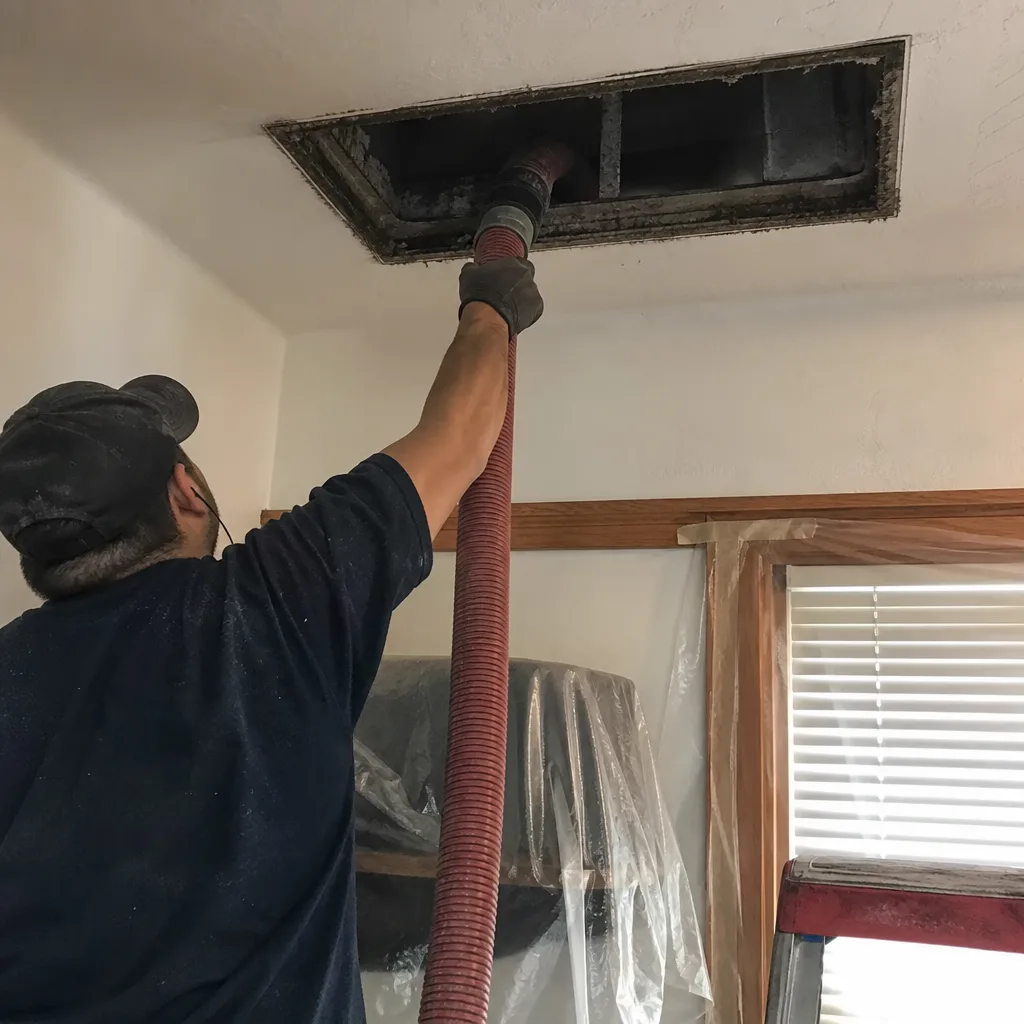 Before
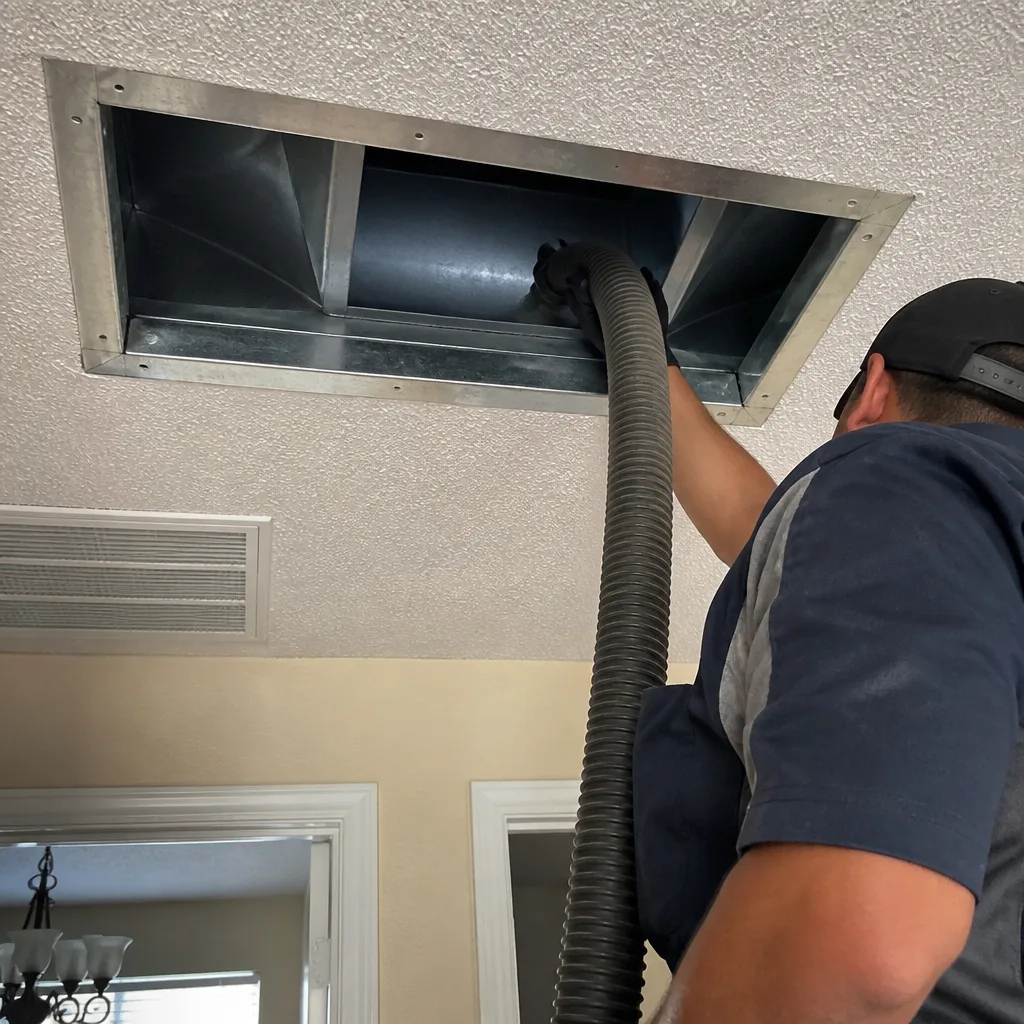 After
AfterAir Duct Cleaning Warning Signs: A Mesa Homeowner’s Reference Guide
Visible dust blowing from your supply registers is not the first warning sign of a dirty duct system. It is one of the last. By the time debris is exiting your vents, your HVAC system has been circulating contaminated air through your home for months, and the earlier indicators have already been present, just quieter and harder to notice. In Mesa, where summer dust storms load particulate into attic spaces and 1980s-1990s housing stock still carries original flex duct, the warning signs that matter most are specific to this climate and this construction era. This guide documents what those signs look like, how to distinguish a cleaning problem from a mechanical failure, and when duct repair, not cleaning, is the right response. For a deeper dive, see The Complete Guide to Air Duct Cleaning in Mesa.
Quick Answer
The most reliable warning signs that your Mesa home needs Air Duct Cleaning services are: persistent dust accumulation at supply registers within 48 hours of cleaning, musty or chemical odors that intensify when the blower cycles on, uneven airflow between rooms, and static pressure symptoms including a high-pitched whistle or blower strain. These indicators precede visible debris by months. Signs of mechanical failure, such as collapsed flex duct or separated boot seals, require repair before cleaning will produce lasting results.
Table of Contents
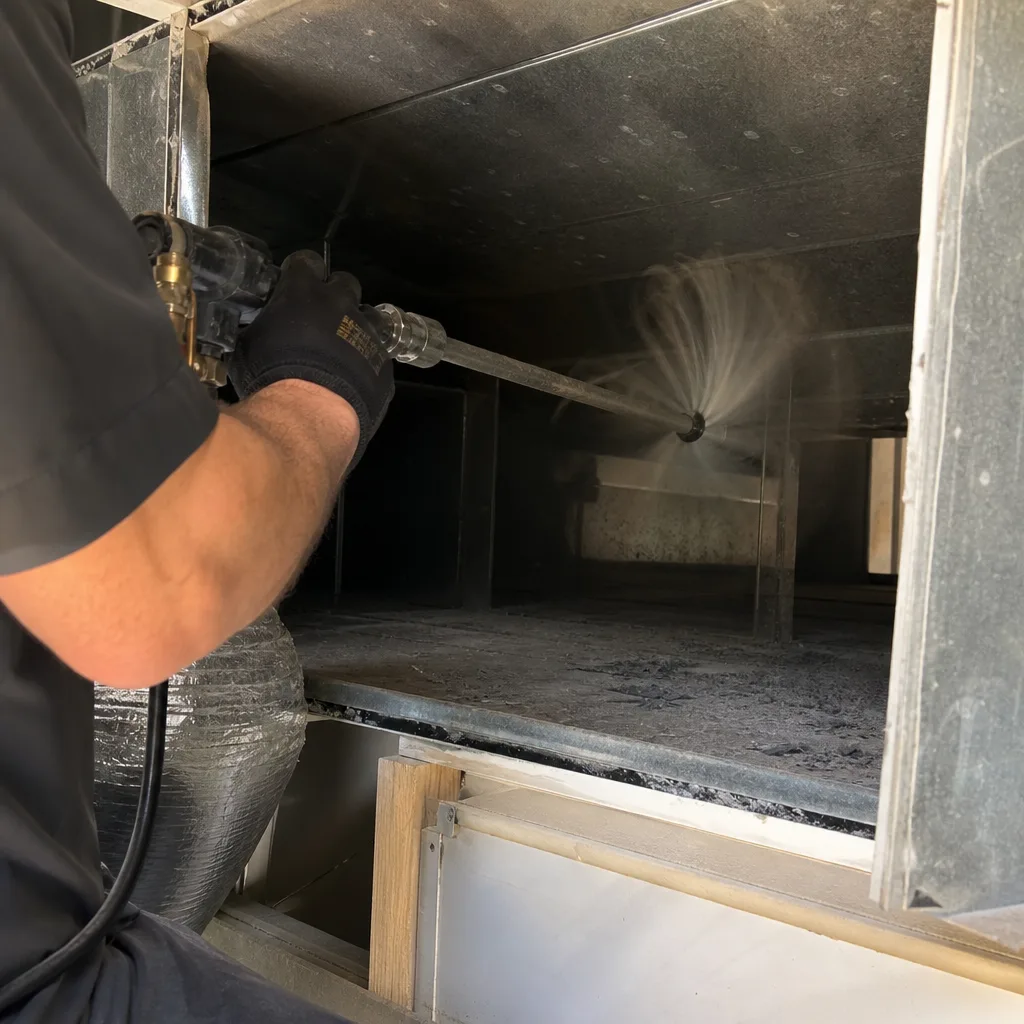
- The Register Dust Test: Your First Diagnostic Tool
- Odor Mapping: Finding the True Source
- Static Pressure: The Warning Sign You Can Hear and Feel
- Cleaning vs. Repair: Knowing Which Problem You Have
- Mesa Housing Stock: Age-Specific Warning Patterns
- Seasonal and Climate Factors in Mesa
- What Professionals Check That Homeowners Miss
- Common Mistakes to Avoid
- When to Call a Professional
- Frequently Asked Questions
BeforeAfterThe Register Dust Test: Your First Diagnostic Tool
Most Mesa homeowners check for duct problems by looking at their return air grille. That is the wrong place to start. Return grilles are designed to pull air in, so they naturally collect surface dust. Supply registers, which push conditioned air out, should stay relatively clean if your duct system is intact and your filter is doing its job.
Here is the test we have used to train hundreds of homeowners since 2013. It takes five minutes and requires only a white microfiber cloth and your HVAC system’s normal operation.
- Turn your system to fan-only mode and let it run for ten minutes. This clears any loose surface dust.
- Wipe the interior face of a supply register with a clean white microfiber cloth, using moderate pressure in a consistent pattern.
- Wait 48 hours with the system running normally.
- Repeat the same wipe on the same register.
- Compare the two cloths. The first should show minimal gray residue. The second should also show minimal residue.
If the second cloth shows significantly more debris, or if you can see visible accumulation on the register vanes within 48 hours of cleaning, you have filter bypass or duct leakage pulling unfiltered attic or wall-cavity air into your supply stream. In Mesa, this is especially common in homes built between 1985 and 2005, where flex duct connections at the plenum (the central distribution box where your air handler connects to the duct network) have dried and loosened over decades of heat cycling.
The critical distinction: normal household dust is fine, uniform, and gray-tan. Debris from a compromised duct system is coarser, may contain insulation fragments or insect parts, and accumulates in clumps rather than an even film. We have photographed both types thousands of times. The difference is obvious once you know what to look for.
Filter bypass is not solved by cleaning. It is solved by sealing the breach and replacing the filter with the correct MERV rating for your system. Cleaning a duct with a significant leak is like mopping a floor with a broken pipe underneath it.
Odor Mapping: Finding the True Source
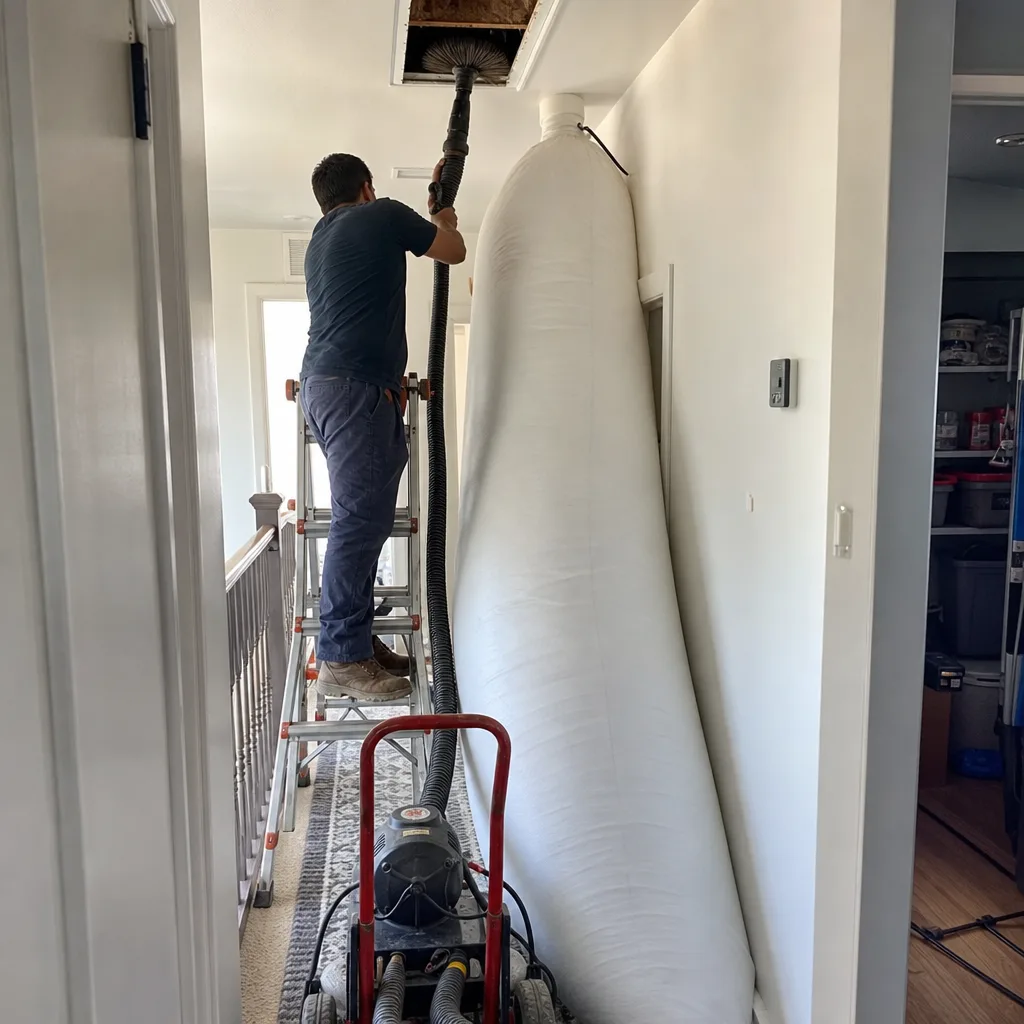
Musty smells trigger more duct cleaning calls in Mesa than any other single complaint. Most of those calls are misdiagnosed by the homeowner, and some are misdiagnosed by the contractor who arrives. The source of an HVAC-related odor is rarely the ductwork itself. More often, it is the evaporator coil, the condensate pan, or a structural moisture problem that the duct system is distributing.
Odor mapping is a room-by-room assessment that separates duct-borne odors from cabinet-borne odors from structure-borne odors. Here is how to perform it:
- Close all interior doors and turn off the HVAC system completely. Wait 30 minutes.
- Enter each room individually. Note any odor. Rate it 1-3 for intensity.
- Turn the system to fan-only. Wait 15 minutes. Re-enter each room in the same order.
- Note which odors intensified, which appeared only when air was moving, and which remained unchanged.
An odor that intensifies only when the blower runs, and appears in multiple rooms simultaneously, is likely originating at the air handler cabinet or the supply plenum. The evaporator coil in Mesa accumulates biological growth because our monsoon humidity (July through September) creates condensate conditions that persist for weeks. A musty smell that appears in one room only, regardless of system operation, is almost always a structural moisture issue in that room’s walls, carpet pad, or subfloor.
True duct-borne odors are rare. They require standing water inside the duct, significant rodent infestation, or fire/smoke residue. In twelve years and 52,000 homes, we have found genuine duct-source odors in fewer than 4% of odor complaints. The rest required coil cleaning, condensate line treatment, or referral to a moisture remediation specialist.
This matters because cleaning ducts that are not the odor source wastes money and leaves the actual problem unresolved. At CleanRun Air Duct Cleaning Mesa home, every odor complaint begins with a source assessment, not a vacuum hose.
Static Pressure: The Warning Sign You Can Hear and Feel
Static pressure is the resistance your blower works against to move air through the duct system. It is measured in inches of water column by a technician with a manometer, but homeowners can detect abnormal static pressure through observable symptoms long before a professional arrives.
Normal system operation in a Mesa home produces a steady, low whoosh from registers, with doors closing gently when the blower cycles on. Abnormal static pressure produces distinct, identifiable changes:
- A high-pitched whistle or harmonic tone from registers, especially in smaller rooms with single supplies
- Doors that slam or resist closing when the blower engages, indicating pressure imbalance between supply and return
- Reduced airflow at distant registers compared to near registers, suggesting restriction in the trunk line
- Blower motor noise that sounds strained or labored, particularly at startup
- Filter collapse or distortion, where the pleated media is pulled inward toward the blower
These symptoms have two distinct causes, and the treatment differs completely. Debris restriction, from years of accumulation in the duct runs (the individual branches from trunk to register), raises static pressure gradually and affects all rooms somewhat evenly. Mechanical restriction, from a collapsed flex duct section or a damper that has shifted closed, raises static pressure suddenly and affects one zone or room dramatically.
In Mesa’s 110°F summer conditions, high static pressure is not merely an efficiency problem. It is an equipment failure predictor. Blowers operating against excessive resistance draw higher amperage, run hotter, and fail prematurely. We have replaced ductwork in Mesa homes where the blower failed twice in five years because the root restriction was never addressed.
Professional-grade negative-pressure extraction systems, such as those from Nikro and Abatement Technologies, can measure and document static pressure before and after cleaning. At CleanRun, this measurement is included in every written scope. If static pressure does not drop measurably after cleaning, the restriction is mechanical, not debris-based, and cleaning alone will not solve it.
Cleaning vs. Repair: Knowing Which Problem You Have
This is the distinction that separates a lasting solution from a recurring expense. Some warning signs indicate contaminated ducts that will respond to cleaning. Others indicate compromised duct material that cleaning will temporarily improve and then fail again.
Signs that call for cleaning:
- Uniform dust accumulation across multiple supply registers
- Odor that distributes through all rooms when the blower runs, with no single-room concentration
- Gradual reduction in airflow over years, not weeks
- Visible debris in duct runs during filter changes or register maintenance
Signs that call for repair before cleaning:
- Visible tears, holes, or separated seams in flex duct visible from attic access
- Boot seals (the connection between duct and register) that move independently when touched
- Insulation debris in the airstream, indicating inner liner degradation
- Asymmetrical symptoms: one room with severe problems, others normal
- Water stains or rust on duct exterior, indicating past condensation or leak events
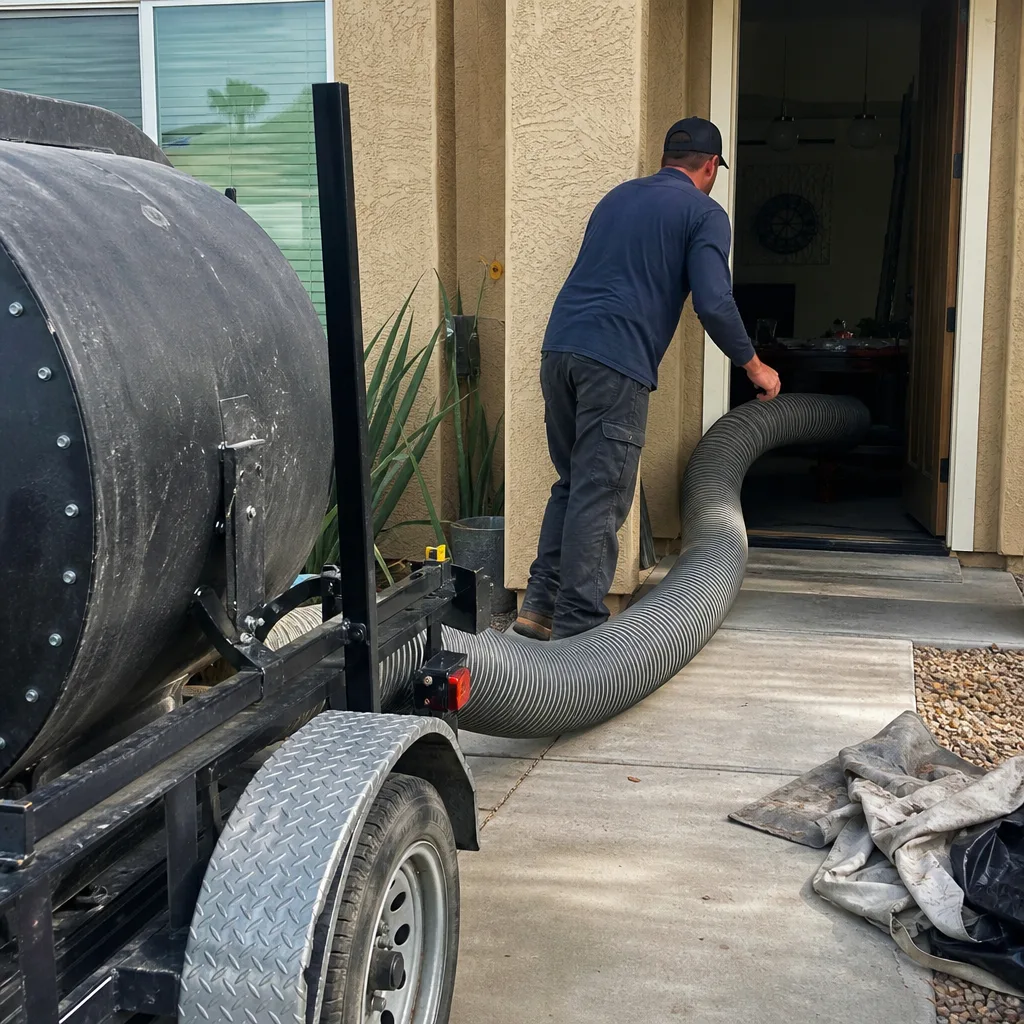
The most expensive mistake we see in Mesa is cleaning performed on a duct system with significant breaches. Negative-pressure extraction, the method used by Rotobrush and other professional systems, pulls debris from the duct interior. If the duct has a tear, the vacuum pulls attic air through that tear, bypassing the register entirely, and the homeowner sees a clean register but a still-contaminated duct.
In 2019, we documented a home in Dobson Ranch where a competitor had cleaned the ducts twice in three years. The register photos looked acceptable. But our camera inspection found a 14-inch tear in the flex trunk line, pulling 130°F attic air directly into the supply stream. The homeowner had spent $800 on cleaning that could not work because the mechanical problem was never identified. Repair cost $340. The system has performed correctly since.
CleanRun’s written scope under Haven Standard Clause 1 includes a visual inspection of accessible ductwork before any cleaning proposal. If repair is needed, the price for both is delivered in writing before work starts. No exceptions.
Mesa Housing Stock: Age-Specific Warning Patterns
Mesa’s housing construction falls into distinct eras, and the duct problems characteristic of each era are predictable. Understanding your home’s construction decade helps you interpret warning signs correctly.
Pre-1980: Metal duct with asbestos insulation
Homes in neighborhoods like West Mesa and parts of central Mesa may have original galvanized metal ductwork with external insulation that contains asbestos. Warning signs here include insulation debris at registers (do not touch without testing), rust-colored staining from metal deterioration, and significant airflow reduction from internal corrosion. These systems require specialized assessment. Cleaning is often appropriate, but insulation disturbance requires abatement protocol. We coordinate with licensed abatement contractors when necessary.
1985-2005: Original flex duct, now at end of service life
This is Mesa’s highest-risk category. Flex duct (flexible insulated duct with a plastic inner liner and fiberglass insulation) was installed in virtually all production homes in Dobson Ranch, Alta Mesa, Red Mountain Ranch, and similar developments. The inner liner becomes brittle after 20-30 years of Mesa’s heat cycling. Warning signs specific to this era:
- A “crinkling” sound from ducts when the blower cycles, indicating liner collapse
- Oval or flattened register openings where the duct has partially collapsed at the boot
- Temperature variation of 8°F or more between rooms on the same system
- Insulation fragments visible at registers, especially after filter changes
Inner liner collapse restricts airflow without necessarily introducing debris. Cleaning will not restore airflow. The duct run must be replaced. In our experience, homes from this era with original flex duct require partial or full replacement within 30 years. Cleaning is appropriate only after repair, or if the liner is intact.
2005-2020: Flex duct with better materials, but installation quality varies
Newer Mesa developments like Eastmark and parts of Southeast Mesa used improved flex duct materials, but the installation quality in the construction boom years was inconsistent. Warning signs include disconnected boots at the register (common where drywall finishers disturbed connections), pinched duct runs in tight attic framing, and filter bypass from poorly sealed return air platforms. These problems are mechanical, not contamination-based, and respond to repair and sealing, not cleaning alone.
2020-present: Tight construction, potential humidity management issues
Newest Mesa homes are built tight for energy efficiency, which can trap moisture if ventilation is inadequate. Warning signs include musty odors in shoulder seasons when the system runs minimally, and biological growth on registers in bathrooms or laundry rooms. These homes often need mechanical ventilation assessment, not duct cleaning.
Seasonal and Climate Factors in Mesa
Mesa’s climate creates duct warning signs that do not appear in other markets. Understanding these prevents misdiagnosis.
Summer dust loading (May-September)
Our dust storms, or haboobs, introduce fine particulate that infiltrates attic spaces and wall cavities. Homes with duct leakage show accelerated register accumulation during summer months. The register dust test described earlier will show seasonal variation: heavier debris in July and August, lighter in December and January. If your registers require cleaning weekly in summer and monthly in winter, you have duct leakage, not normal dust.
Monsoon humidity (July-September)
The brief but intense humidity period creates condensate conditions in attic ductwork that do not exist the rest of the year. Flex duct with compromised vapor barriers can accumulate moisture, leading to musty odors that appear suddenly in late July and persist into October. This is not a cleaning problem. It is a vapor barrier failure requiring duct replacement or encapsulation.
Winter heating cycle (December-February)
Mesa homes use heat pumps or gas furnaces for brief, intense heating periods. The temperature differential between attic air and heated supply air is greatest in January, stressing flex duct connections. Warning signs that appear only in heating season, such as popping sounds from thermal expansion or odor from dust burning off heat strips, are typically benign and do not indicate duct contamination.
Spring pollen (March-April)
Palo verde and mesquite pollen loads Mesa’s outdoor air heavily in spring. Homes with fresh air intakes or economizer cycles may show temporary increase in register debris. This is normal and does not indicate a duct problem unless it persists beyond pollen season.
What Professionals Check That Homeowners Miss
A thorough duct assessment includes elements that require equipment and access most homeowners do not have. Understanding what professionals check helps you evaluate whether a contractor’s proposal is based on evidence or on a standard sales pitch.
Camera inspection of duct runs
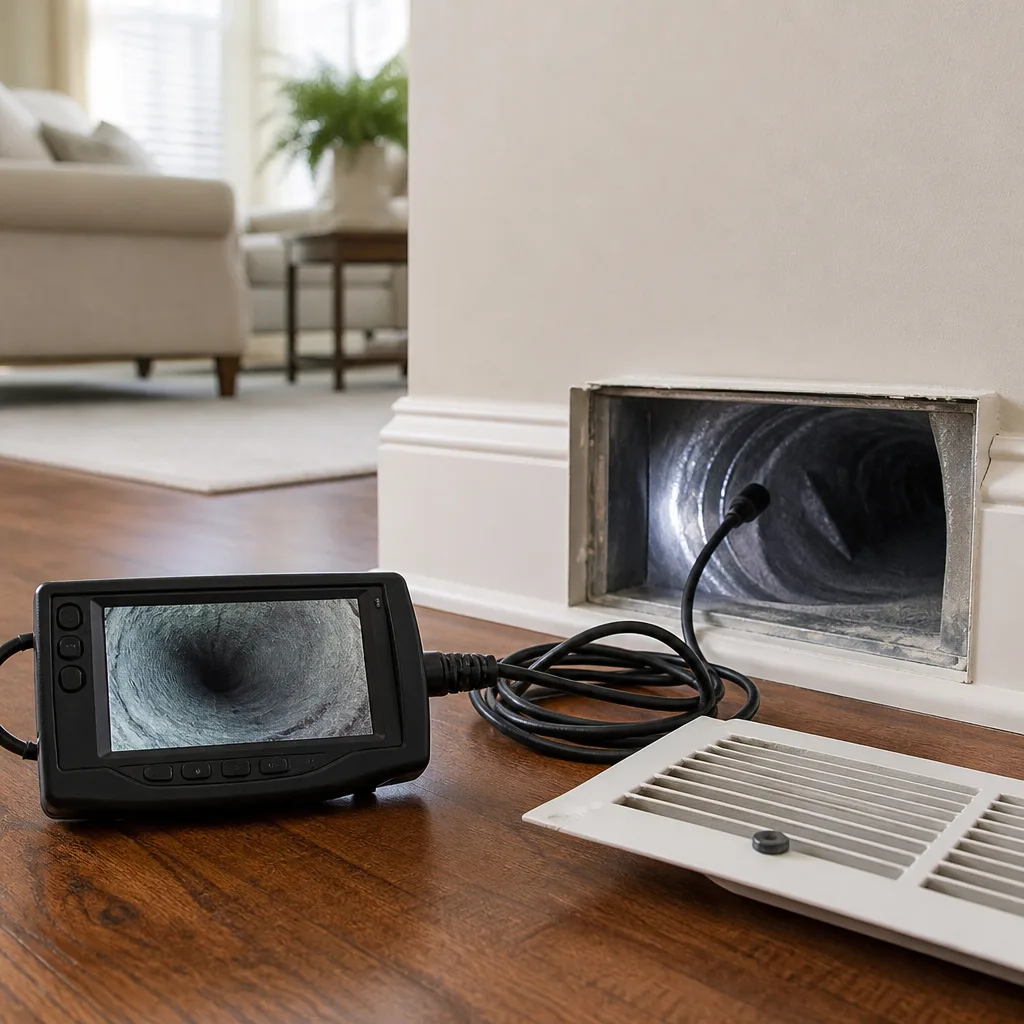
We photograph the interior of every duct run before and after work. A homeowner can perform limited visual inspection by removing registers and using a phone camera with flash, but trunk lines and elbows require borescope equipment. Key findings we document: debris depth and composition, liner condition, standing water, rodent evidence, and connection integrity at boots and wyes.
Static pressure measurement
As described earlier, this requires a manometer and calibrated probes. Total external static pressure (TESP) should typically fall between 0.3 and 0.7 inches water column for residential systems. Values above 0.7 indicate restriction; below 0.3 may indicate duct leakage or missing filter.
Temperature differential across the evaporator coil
This identifies whether reduced airflow is duct-related or coil-related. A healthy system shows 14-22°F temperature drop across the coil. Lower differentials suggest coil fouling or refrigerant issues, not duct problems.
Return air leakage assessment
Return air platforms in Mesa homes are frequently leaky, pulling attic air directly into the system before it reaches the filter. We test these with smoke pencils and pressure mapping. Homeowners can detect major leaks by feeling for temperature variation around return air grilles when the system runs: cold air in summer or hot air in winter indicates leakage.
Filter fit verification
An astonishing number of “duct problems” are simply wrong-size filters with bypass gaps. We measure filter slots and verify nominal versus actual dimensions. A 16x25x1 filter that measures 15½ x 24½ will leak at all four edges, loading the duct with unfiltered air.
At Air Duct Cleaning in Mesa, every assessment includes these elements, documented in the written scope delivered before any work begins under Haven Standard Clause 1.
Common Mistakes to Avoid
- Interpreting return grille dust as a duct problem. Return grilles collect dust by design. Supply register accumulation is the meaningful indicator. We have seen Mesa homeowners spend hundreds on unnecessary cleaning because they monitored the wrong location.
- Accepting a per-vent price. This pricing model incentivizes superficial work and obscures true scope. CleanRun delivers one flat price per system, agreed in writing before work starts. The industry built on $79 coupons relies on upselling once the truck arrives.
- Cleaning before repairing known duct damage. A torn flex duct or separated boot makes cleaning ineffective. The debris returns through the breach within weeks. Always repair mechanical failures first.
- Ignoring seasonal patterns. Warning signs that appear only in July or only in January have specific causes. Treating them as year-round contamination problems leads to unnecessary service.
- Assuming all contractors document their work. Ask specifically: will I receive photos of my actual ducts, before and after? Most cannot or will not provide this. CleanRun’s Documented Photo Record is standard on every visit, delivered as part of the job record, a practice we have held since 2013.
- Using the wrong MERV filter after cleaning. A clean duct system with a MERV 13 filter in a system designed for MERV 8 will fail again quickly due to filter bypass or blower strain. Match filter to system specification.
- Failing to verify contractor credentials. In Mesa, air duct cleaning is not separately licensed, but the contractor must hold a valid Arizona Registrar of Contractors license. Ask for the number and verify it. CleanRun publishes its license number on every proposal and on this page.
When to Call a Professional
Call for assessment when warning signs persist after basic homeowner checks (or browse more guides & resources): the register dust test shows accumulation within 48 hours, odor mapping identifies a system-source smell, or static pressure symptoms include whistle, strain, or significant room-to-room temperature variation. Sudden changes, such as a single room losing all airflow or a new odor appearing after monsoon rains, indicate mechanical failure requiring prompt attention.
CleanRun Air Duct Cleaning Mesa offers free estimates in Mesa. Every estimate includes a written scope with documented findings, one flat price per system agreed before work starts, and no obligation. Call (602) 632-0849 to schedule.
Frequently Asked Questions
Whole-system air duct cleaning in Mesa typically ranges from $450 to $850 for a single HVAC system in a standard residential home, depending on system size, accessibility, and condition. Per-vent pricing is a common industry tactic that obscures true cost and encourages upselling. At CleanRun, we deliver one flat price per system in writing before any work begins, under Haven Standard Clause 1. Call (602) 632-0849 for an exact quote on your home; estimates are free.
The $79-$149 coupon offers that dominate Mesa mailers and online ads cover a brief vacuuming of accessible registers, not a whole-system cleaning. The typical upsell path adds “deep cleaning,” “sanitizing,” and “vent count” charges that bring the final invoice to $600-$1,200 or more. We have documented competitor invoices showing 400% increases from the advertised price. CleanRun’s written price is the price. No per-vent charges, no surprise additions, no manager approval required.
Request before-and-after photographs of your specific duct runs, not stock images. CleanRun’s Documented Photo Record photographs the interior of every duct run before and after service, with timestamps, and delivers these as part of your standard job record. This practice, held since our first job in 2013, is the only verifiable proof that work occurred inside your ducts rather than at your registers.
For most Mesa homes with intact ductwork and correct filter maintenance, cleaning every 5-7 years is sufficient. Homes with pets that shed heavily, recent construction or renovation, or known duct leakage may need more frequent service. The register dust test described in this guide is a better indicator than calendar time. If your registers show significant accumulation within 48 hours of cleaning, the underlying problem was not solved.
Homeowner-accessible maintenance includes regular filter changes, register cleaning, and visual inspection of accessible duct boots. Actual duct cleaning requires negative-pressure extraction equipment, borescope cameras, and containment protocols that are not available to consumers. Attempting to clean ducts with household vacuums or compressed air risks damage to flex duct liners, contamination of living spaces, and personal injury from attic work. In Mesa’s 150°F+ attic temperatures during summer, this work is genuinely hazardous. We recommend professional service for anything beyond surface maintenance.
Mesa’s hard water does not directly affect ductwork, but the associated water softener salt storage and brine tank maintenance can introduce corrosive vapor if located near return air intakes. The desert climate’s extreme temperature cycling, particularly in attics that reach 140°F+ in summer, accelerates flex duct liner degradation compared to milder climates. Dust infiltration during haboobs is more severe than in non-desert markets. These factors make Mesa’s duct systems age faster mechanically, even when contamination levels are normal.
The Bottom Line
The warning signs that matter are earlier and quieter than most homeowners expect. By the time dust is visible at your registers, the problem has been developing for months. The register dust test, odor mapping, and static pressure awareness give you diagnostic tools that precede professional intervention. In Mesa’s specific housing stock, age-related flex duct degradation is as common as debris accumulation, and distinguishing between them determines whether you need cleaning, repair, or both. Evidence-based assessment, documented results, and written upfront pricing separate genuine service from industry noise. The right response to the right problem, verified with photographs and measurements, is the only response that lasts.
For Dryer Vent Cleaning in Mesa or HVAC Cleaning in Mesa, the same principles apply: inspect first, document findings, deliver a written price before work starts, and verify results with photographic evidence.
Written by Tomas Reyes, Owner at CleanRun Air Duct Cleaning Mesa, serving Mesa since 2013.