
Whole-system duct and dryer vent check with before-and-after photos - you see exactly what came out of your vents
That "$99 whole-house special" is a bait ad - the real number appears once they are in your hallway, or the "clean" is a shop-vac at the register. We photograph the inside of your ducts before and after instead.
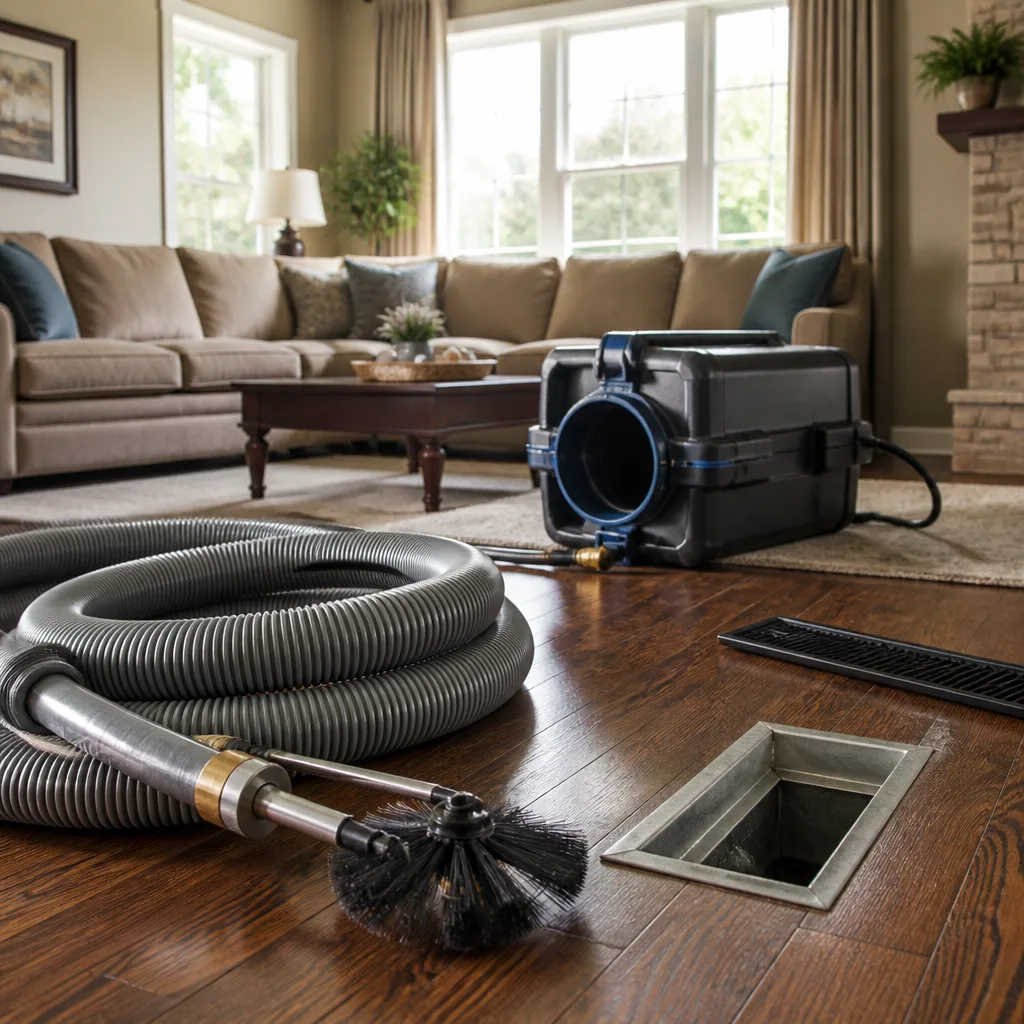
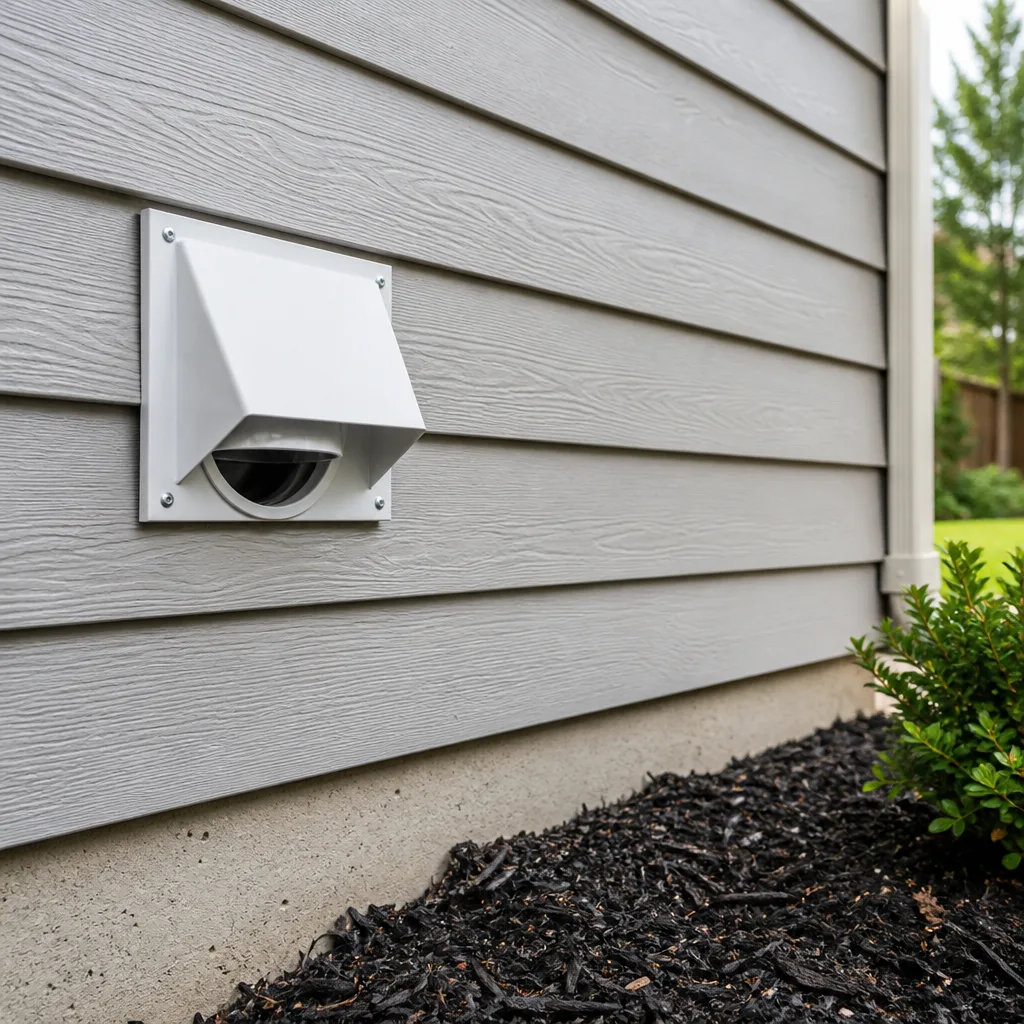
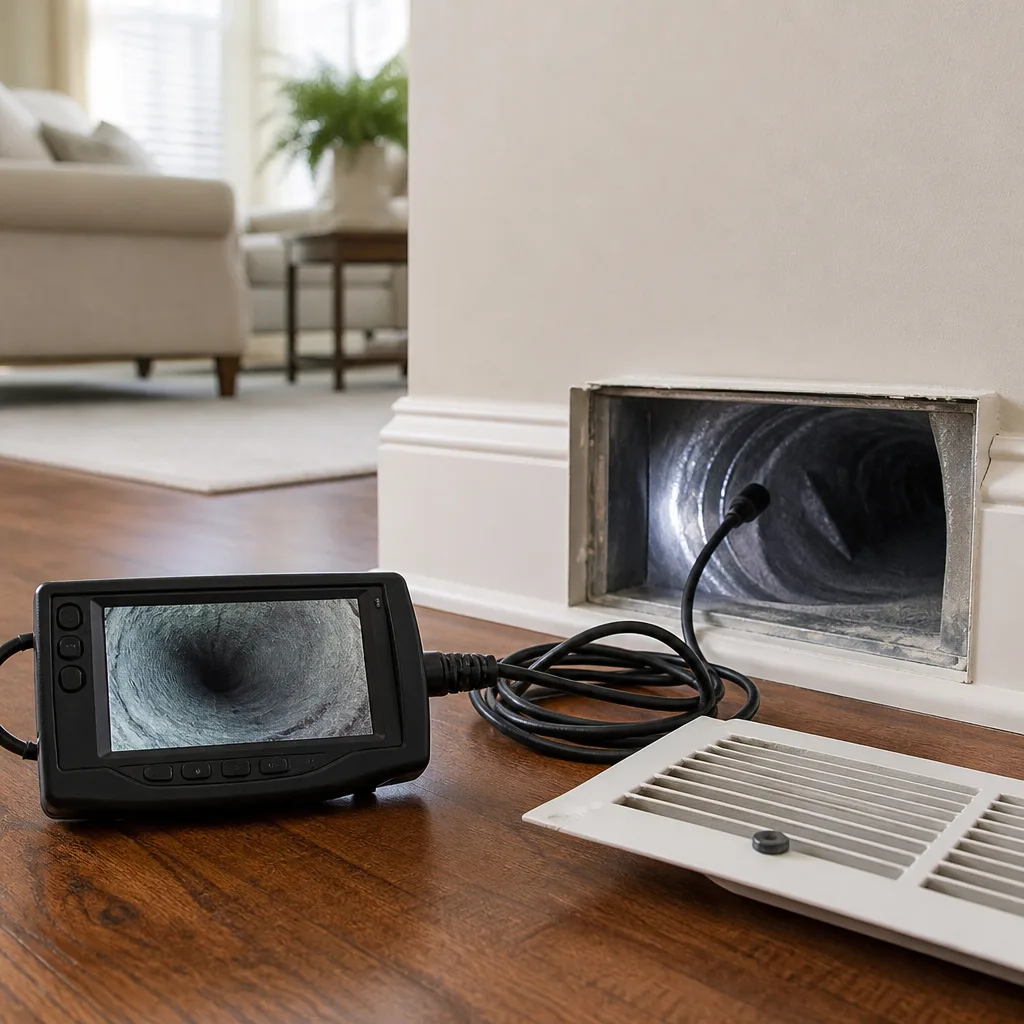
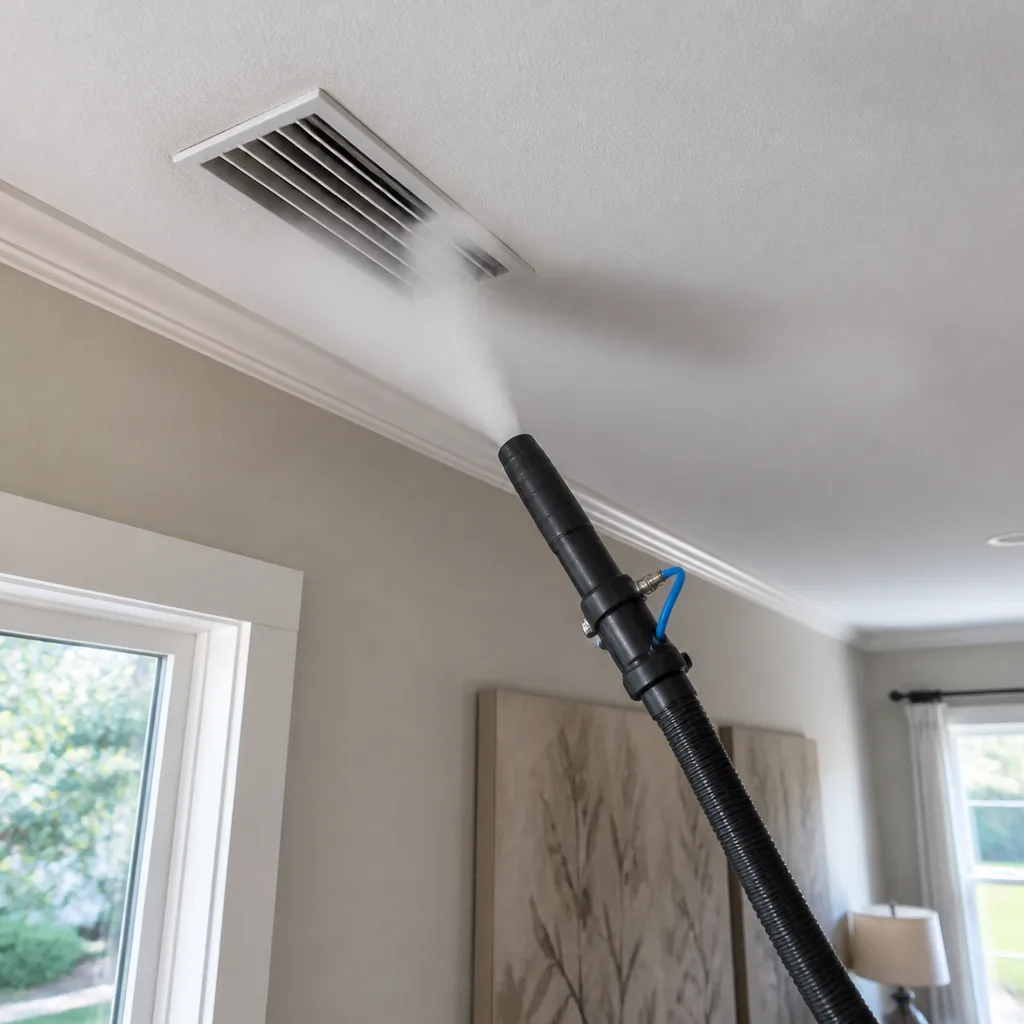
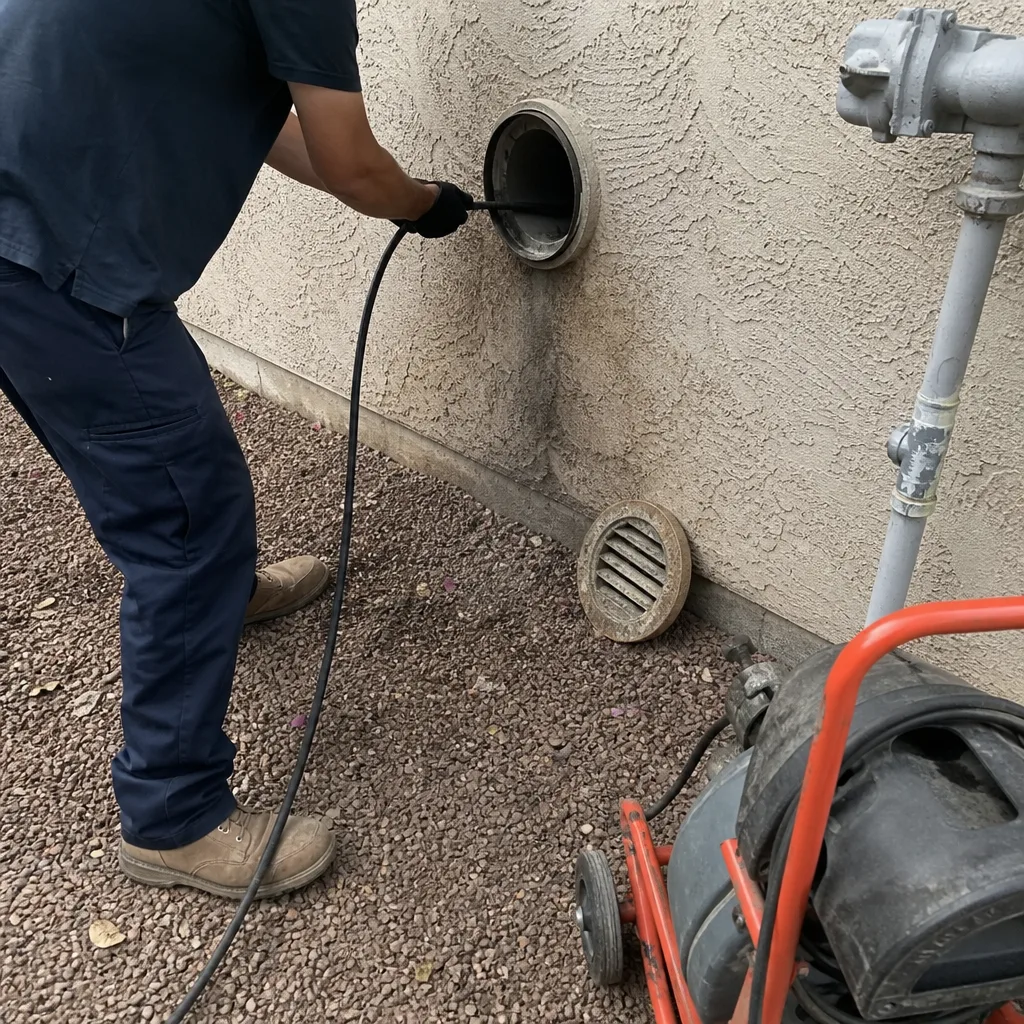 Before
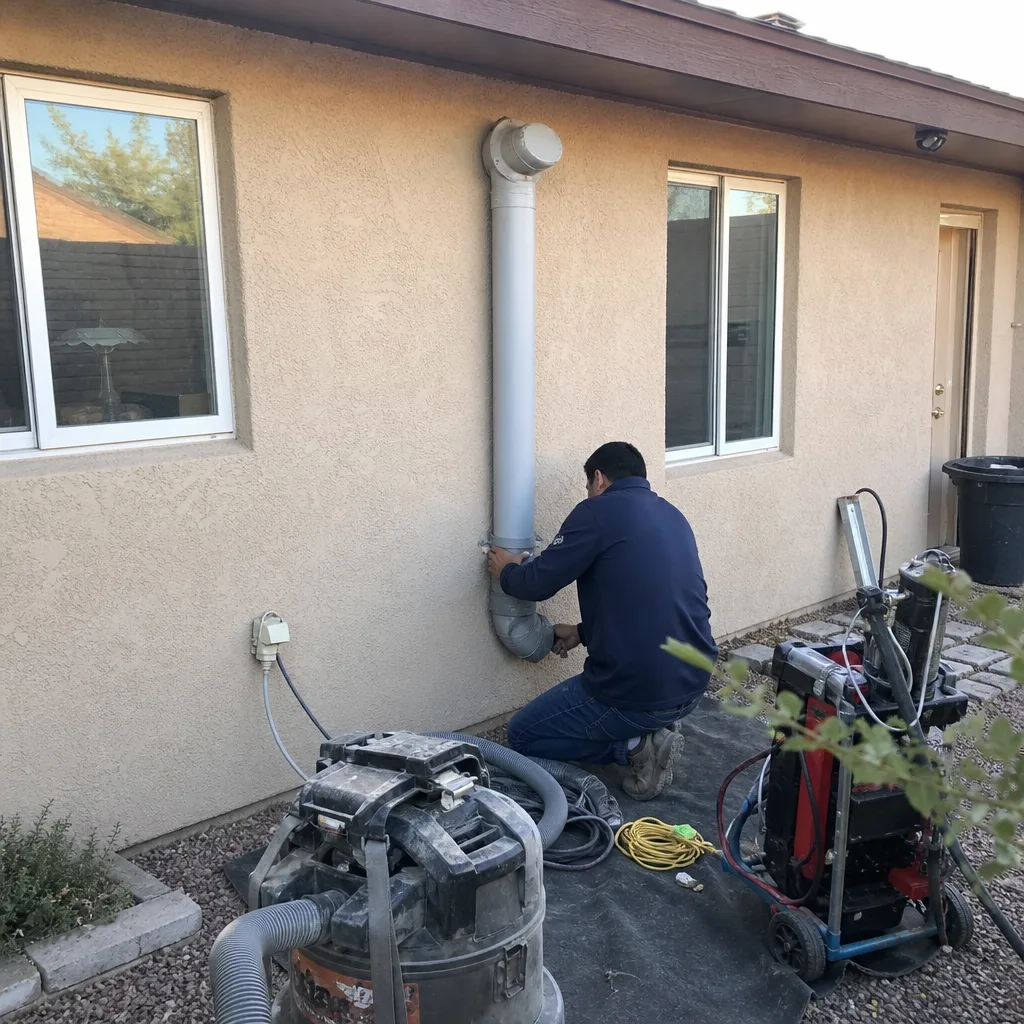 After
After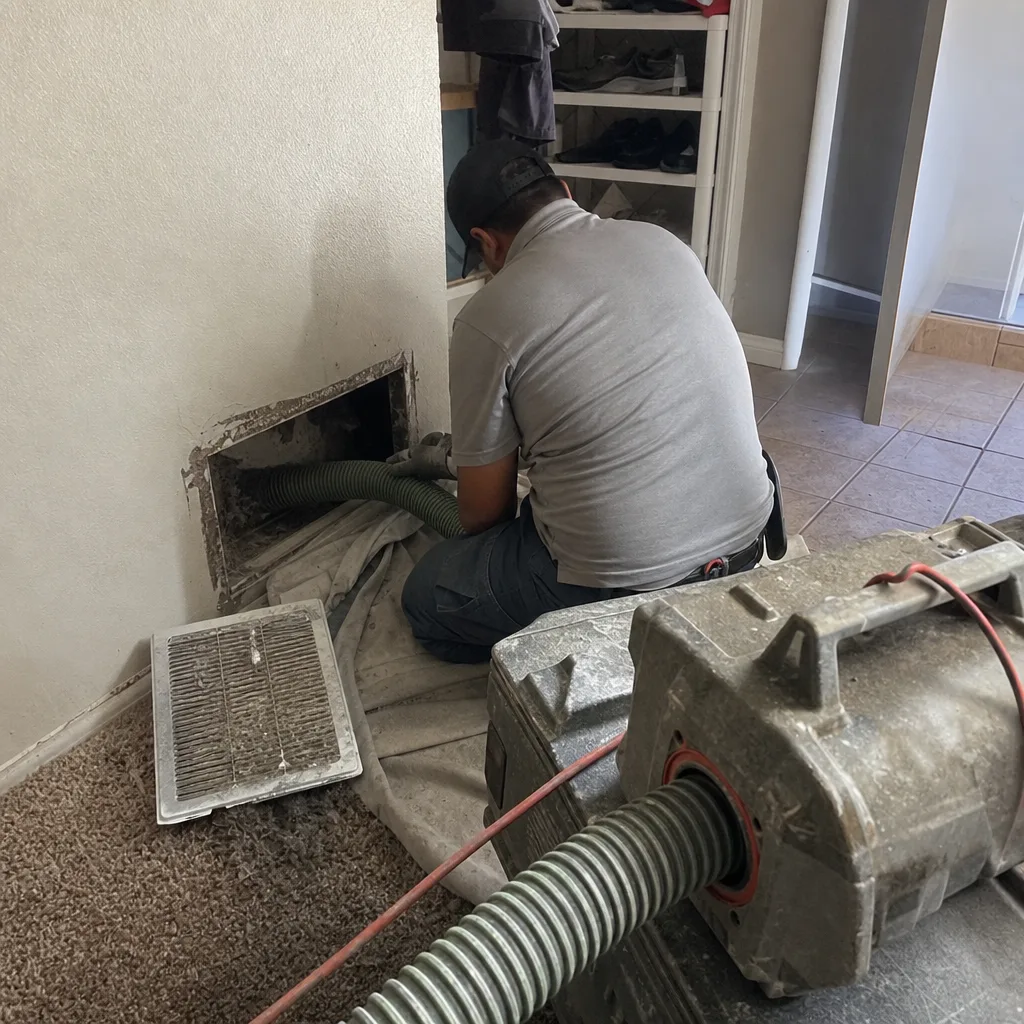 Before
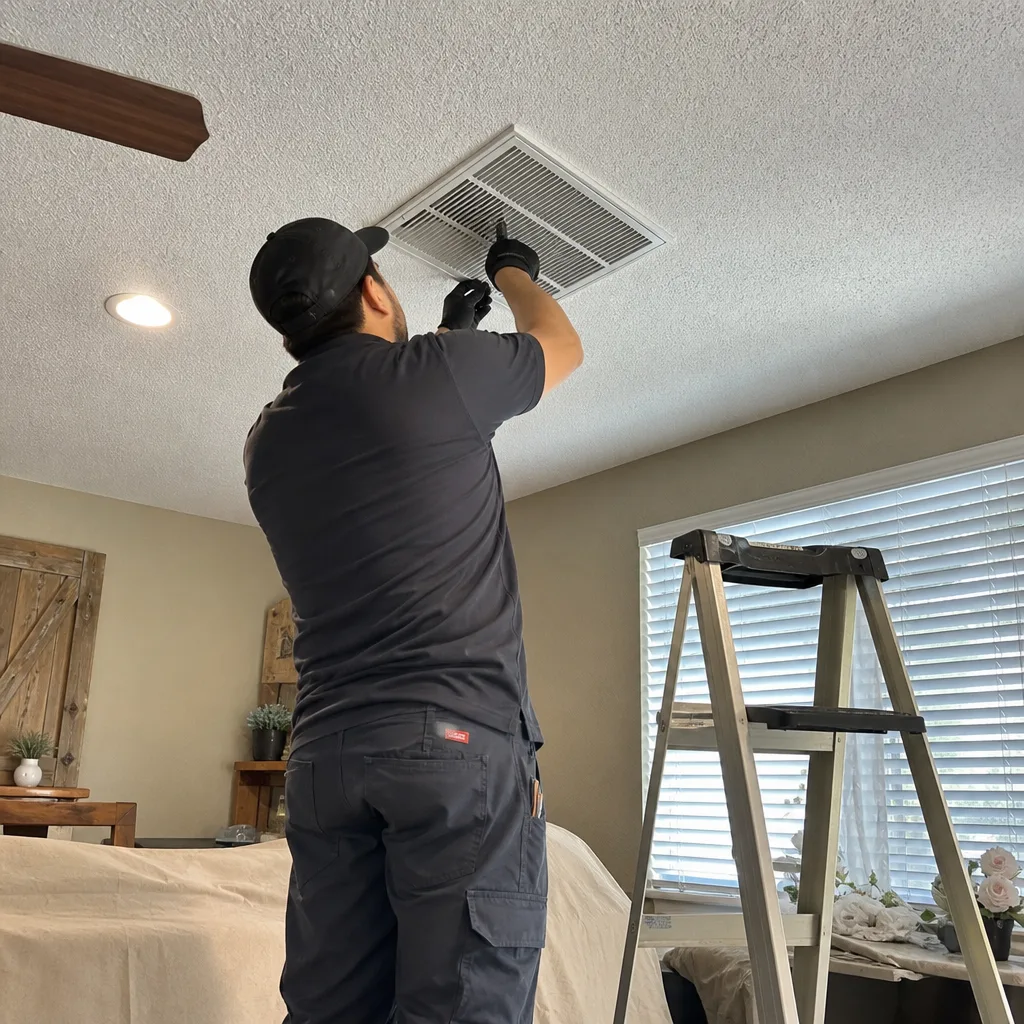 After
After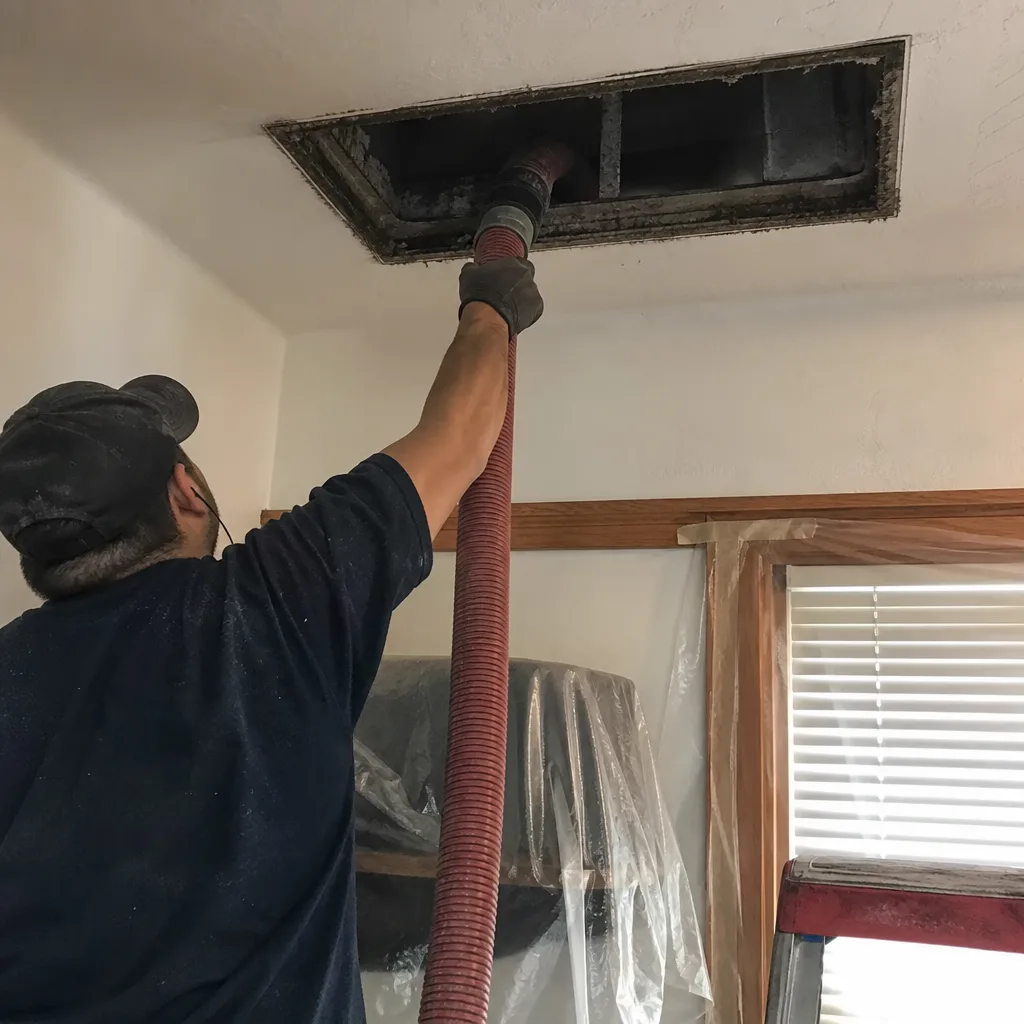 Before
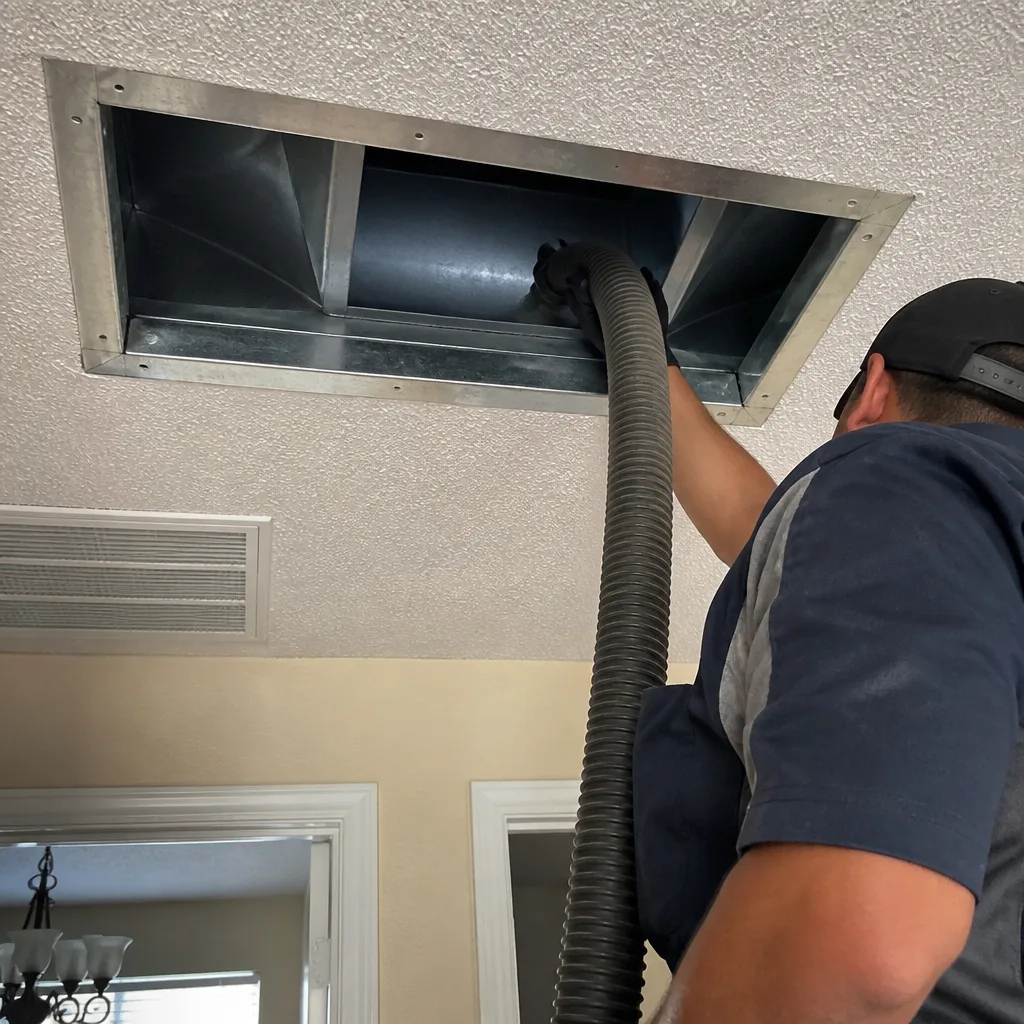 After
AfterHoneywell Register & Grille Cleaning: The Mesa Owner’s Guide
Honeywell register and grille cleaning in Mesa typically runs $180-$340 for a full system service depending on home size and duct configuration, and we stock the tools to handle Honeywell-compatible components same-day. Most Mesa homeowners call us after noticing weak airflow from specific rooms, finding dust buildup around vent edges, or hearing rattling when the AC cycles on - signs that the register or grille is clogged, corroded, or no longer sealing properly against the duct boot.
Here’s what was in there. Now let’s talk about what comes next.
Which Honeywell Models This Applies To
Honeywell’s residential register and grille ecosystem spans several product families, and matching the right component matters more than most owners expect. The HRG (Honeywell Residential Grille) series covers standard wall and ceiling applications with fixed or adjustable louvers, while the TRU-Balance line integrates with zoning systems common in newer Mesa builds from 2018 onward. Older homes in the Fiesta District and Dobson Ranch often have HC000-series stamped steel registers that Honeywell discontinued in 2019 - we carry quality aftermarket equivalents from Guardsman that match the mounting hole pattern and free area spec.
To identify your part, look for the stamped model number on the grille frame edge or the cardboard tag still clipped to some adjustable models. Measure the duct boot opening, not the faceplate - a 10×6 boot takes a 12×8 faceplate on most Honeywell designs, but the TRU-Balance TBD series uses a 1-inch oversized lip that won’t seat properly in standard trim. OEM Honeywell grilles run 30-40% higher than equivalent Guardsman or Abatement Technologies aftermarket units, and for non-zoned systems the airflow performance is identical per manufacturer spec sheets. We stock both on our Mesa trucks and will show you the part before installation under Haven Standard Clause 1.
CleanRun Air Duct Cleaning Mesa is an independent service provider and not affiliated with Honeywell International.
Signs Your Honeywell Register & Grille Cleaning Is Failing
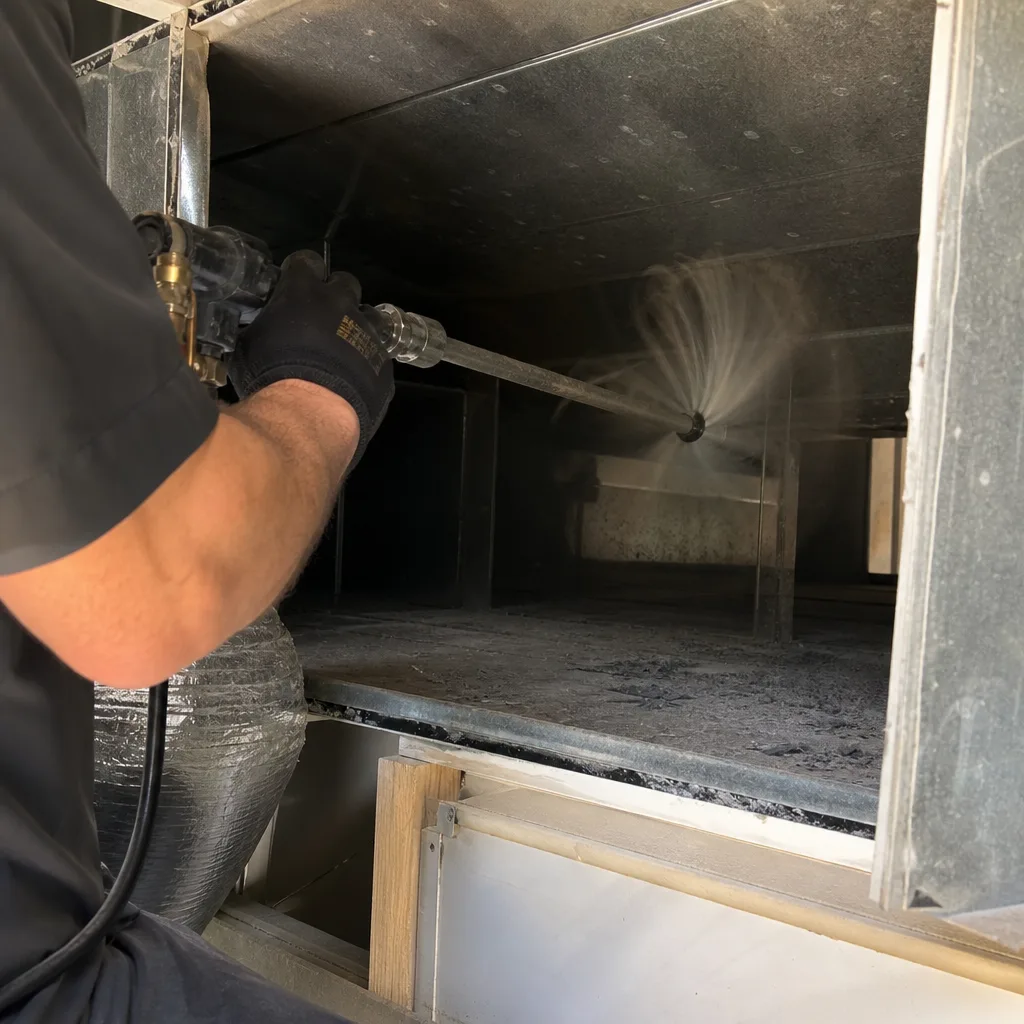
- Uneven room temperatures. The grille louvers are stuck or the register’s internal damper has seized with dust and desert grit. Mesa’s caliche dust is finer than standard household dust and packs into hinge points until the blade won’t pivot - we see this on roughly half the Honeywell adjustable registers in homes built before 2015.
- Visible dust streaking on ceiling or wall around the vent. The grille gasket has compressed or the mounting screws have loosened, allowing conditioned air to escape behind the faceplate instead of entering the room. This bypass also pulls attic dust into the gap, creating the dark halo pattern owners notice first.
- Rattling or whistling when the blower cycles on. The register frame has warped slightly - common with Honeywell’s painted steel units after years of summer heat expansion and winter contraction - or the duct boot connection has separated. The noise is air forcing through a gap that shouldn’t exist.
- Mold or musty smell localized to one vent. The grille’s finish has degraded and the underlying steel is holding moisture from condensation, particularly on north-facing walls in Mesa where morning dew lingers. Honeywell’s powder-coated grilles resist this longer than painted units, but neither lasts forever in monsoon humidity.
- Grille falls out or won’t stay seated. The spring clips or friction fit tabs have fatigued. Honeywell’s older stamped-steel designs used a single-tab friction mount that wears smooth after 8-12 years of removal for filter changes or painting.
BeforeAfterReplacement Cost & What’s Included
| Service Component | Price Range |
|---|---|
| Honeywell-compatible register cleaning (per unit, in place) | $45-$75 |
| Full register & grille removal, deep cleaning, reseal | $180-$260 |
| Register replacement with aftermarket equivalent (parts + labor) | $85-$140 per unit |
| OEM Honeywell register replacement (parts + labor) | $120-$190 per unit |
| Whole-home register & grille service (typical 4-bedroom Mesa home, 12-16 units) | $280-$340 |
What moves the price: accessibility (cathedral ceilings in Las Sendas add ladder time), quantity of units, and whether the duct boot itself needs repair. Every quote is written and agreed before work starts - Haven Standard Clause 1, no exceptions. The 365-Day Done Right Promise covers the installation and seal integrity. We also photograph the duct boot interior before and after as part of our standard Documented Photo Record, so you see what was actually behind that grille.
DIY or Call Us?
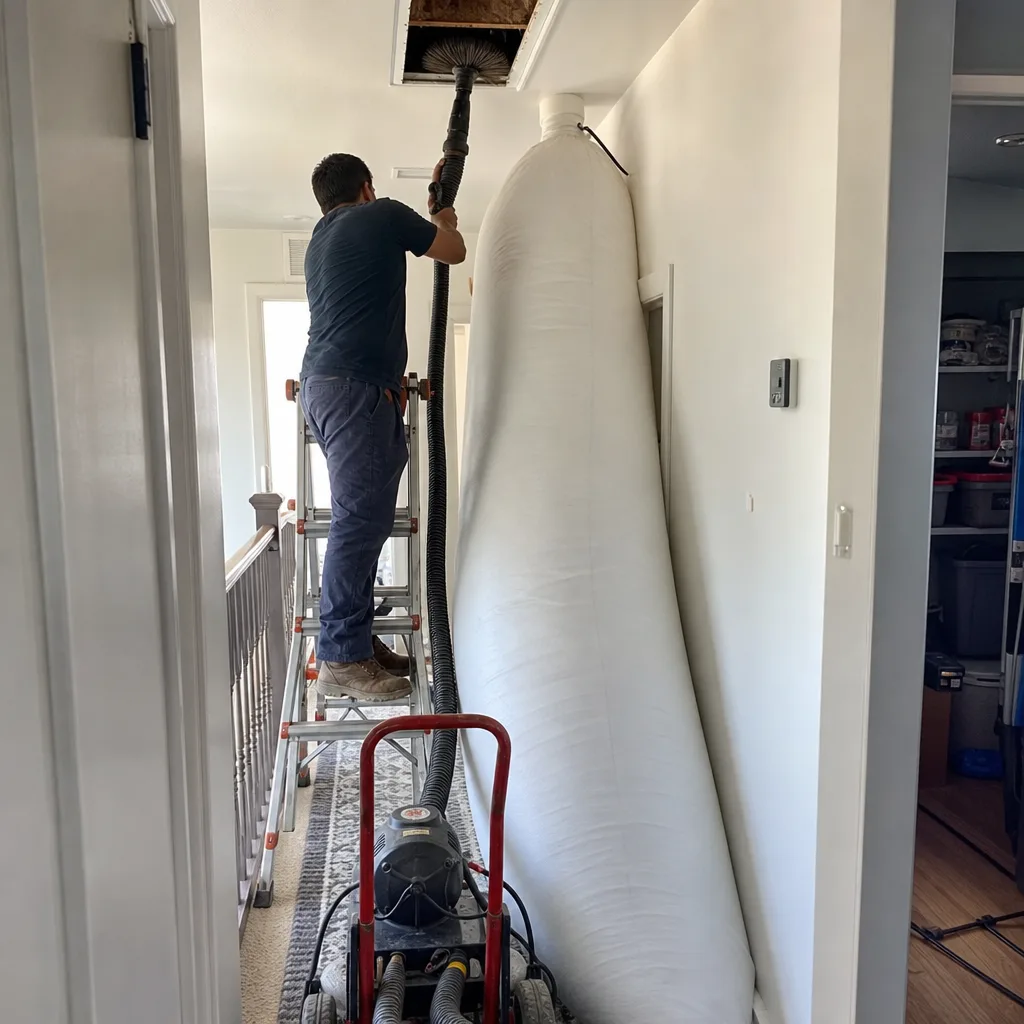
There’s safe checking, and then there’s work that belongs to a technician with the right tools.
What you can do: remove the grille carefully (most Honeywell units lift out or have two visible screws), vacuum the visible face with a soft brush attachment, and check the duct boot for obvious gaps or disconnected flex. Note the model number stamped on the frame edge for reference.
Where DIY goes wrong: forced removal of a seized register can crack the duct boot or damage surrounding drywall. Compressed grilles in older Mesa homes often have paint bridging the gap to the wall - prying without a putty knife tears the surface. More critically, if you find mold, disturbed insulation, or a disconnected flex duct behind the grille, that’s a containment and repair job, not a cleaning task. Our crew carries negative-pressure extraction equipment from Nikro and Abatement Technologies to handle what comes out without spreading it through the house.
Call (602) 632-0849 and we’ll walk through what you’re seeing, or schedule a free estimate with a written price before any work starts.
FAQs
In Mesa’s climate, painted steel Honeywell registers typically last 10-15 years before finish failure or hinge seizure; powder-coated units extend to 18-22 years. The intense summer heat and UV exposure through west-facing windows accelerates finish degradation on grilles in direct sunlight. Call (602) 632-0849 for an inspection if yours are approaching that range - estimates are free.
Stuck louvers can sometimes be freed and lubricated, and stripped screw holes can be re-tapped, but cracked frames or corroded mounting tabs make replacement the sounder option. We evaluate this on site and will show you the specific failure point on camera before recommending either path. Call (602) 632-0849 to schedule.
A straightforward replacement takes 20-40 minutes per unit, including removal, duct boot inspection, cleaning, and proper resealing. A full-home service of 12-16 units runs 3-4 hours with our two-person crew. We photograph every duct boot before closing it up - part of our Documented Photo Record on every visit since 2013.
Yes - we carry standard sizes of Honeywell-compatible grilles and registers, plus Guardsman and Abatement Technologies equivalents that match OEM specs. For discontinued HC000-series or custom sizes, we source overnight and schedule installation once the part is in hand, with no deposit required. Call (602) 632-0849 to confirm availability for your specific model.
Written by Tomas Reyes, Owner, CleanRun Air Duct Cleaning Mesa at CleanRun Air Duct Cleaning Mesa, serving Mesa and nearby areas.