
Whole-system duct and dryer vent check with before-and-after photos - you see exactly what came out of your vents
That "$99 whole-house special" is a bait ad - the real number appears once they are in your hallway, or the "clean" is a shop-vac at the register. We photograph the inside of your ducts before and after instead.
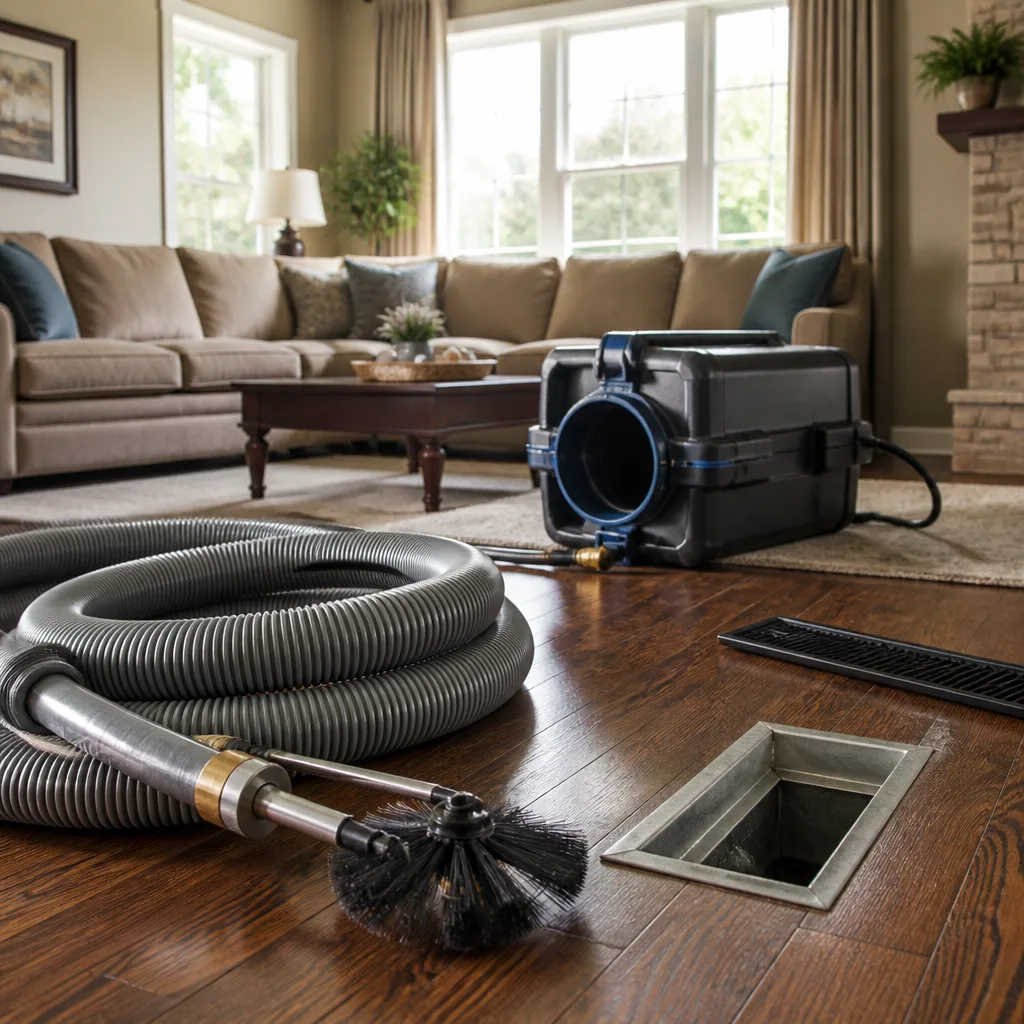
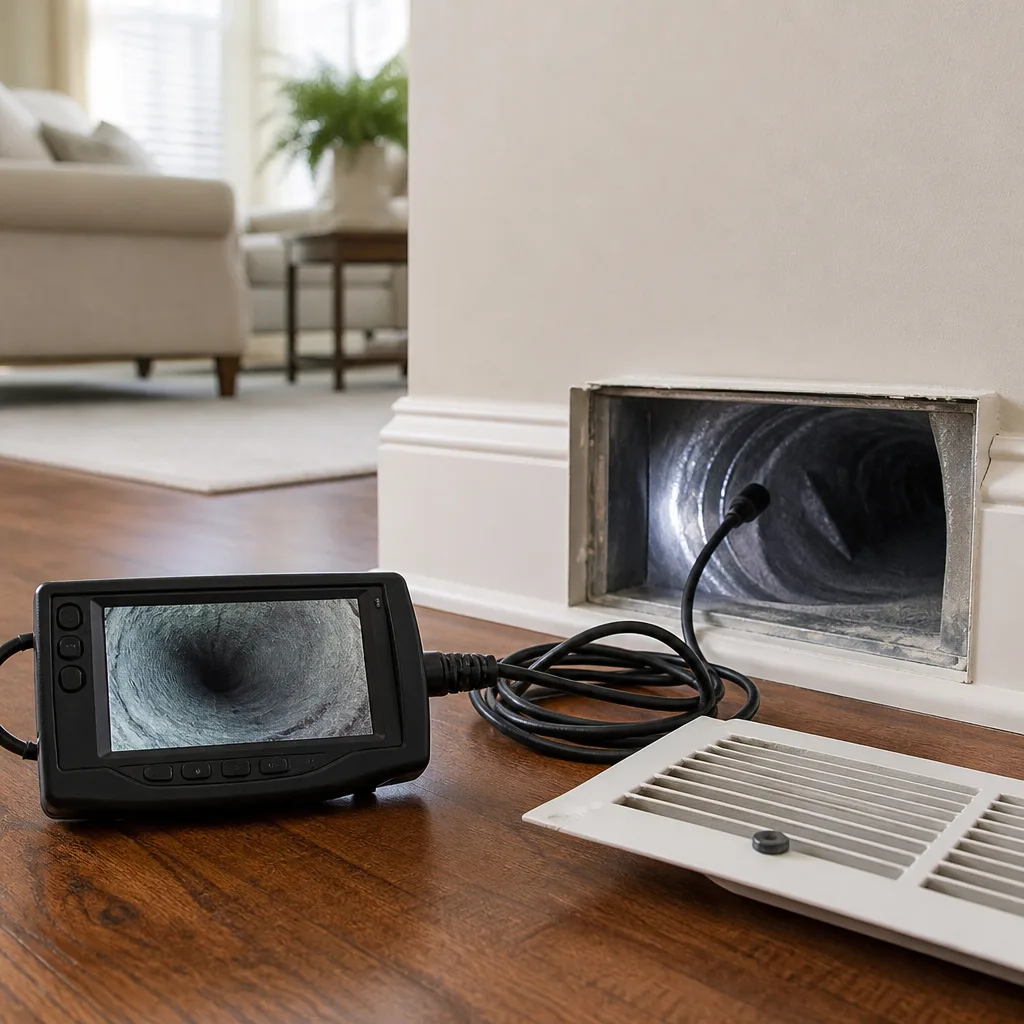
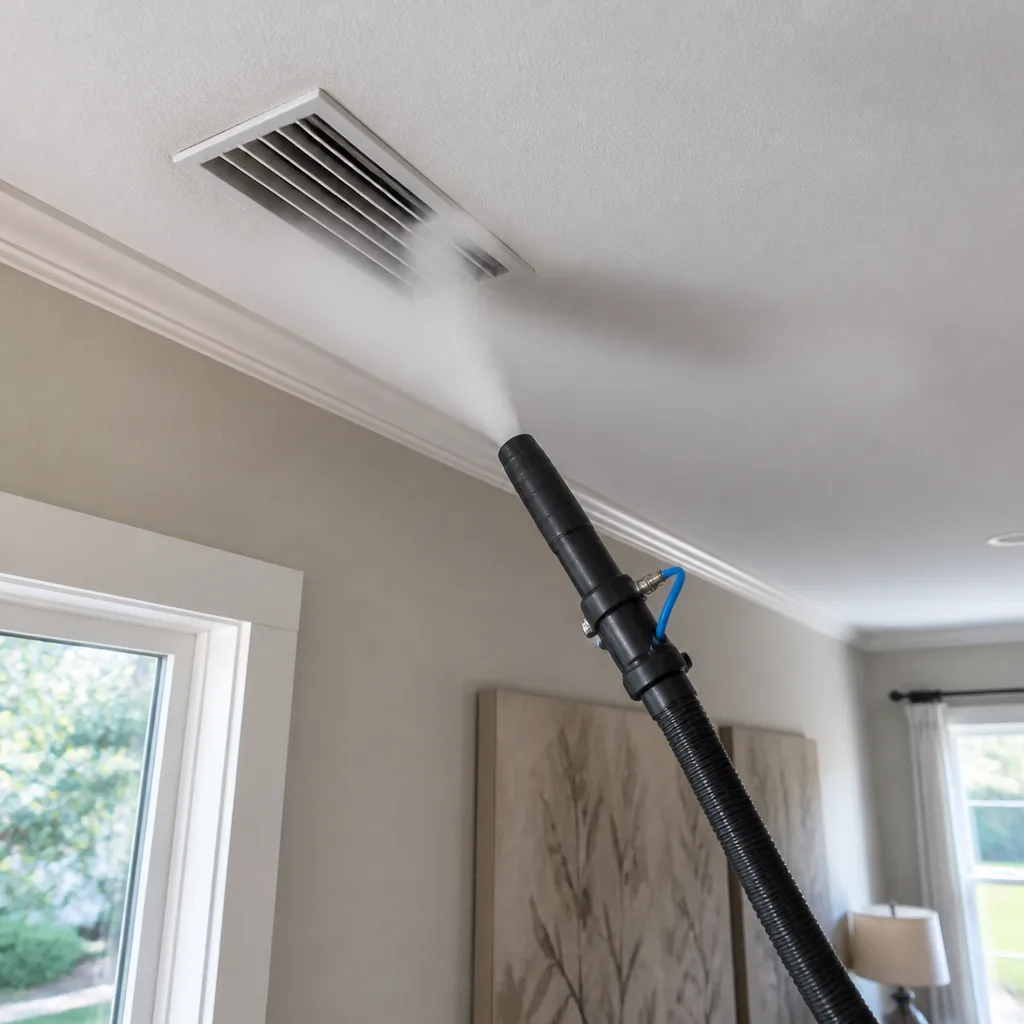
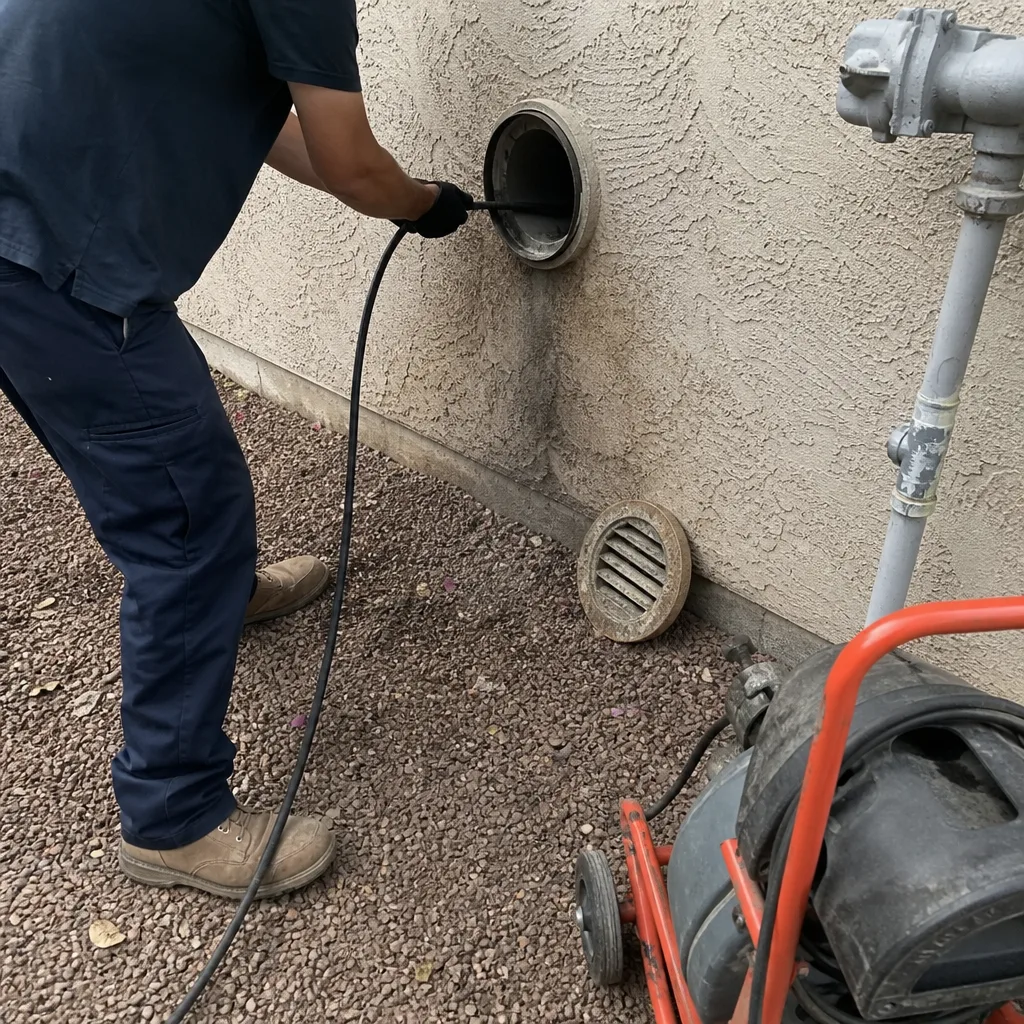 Before
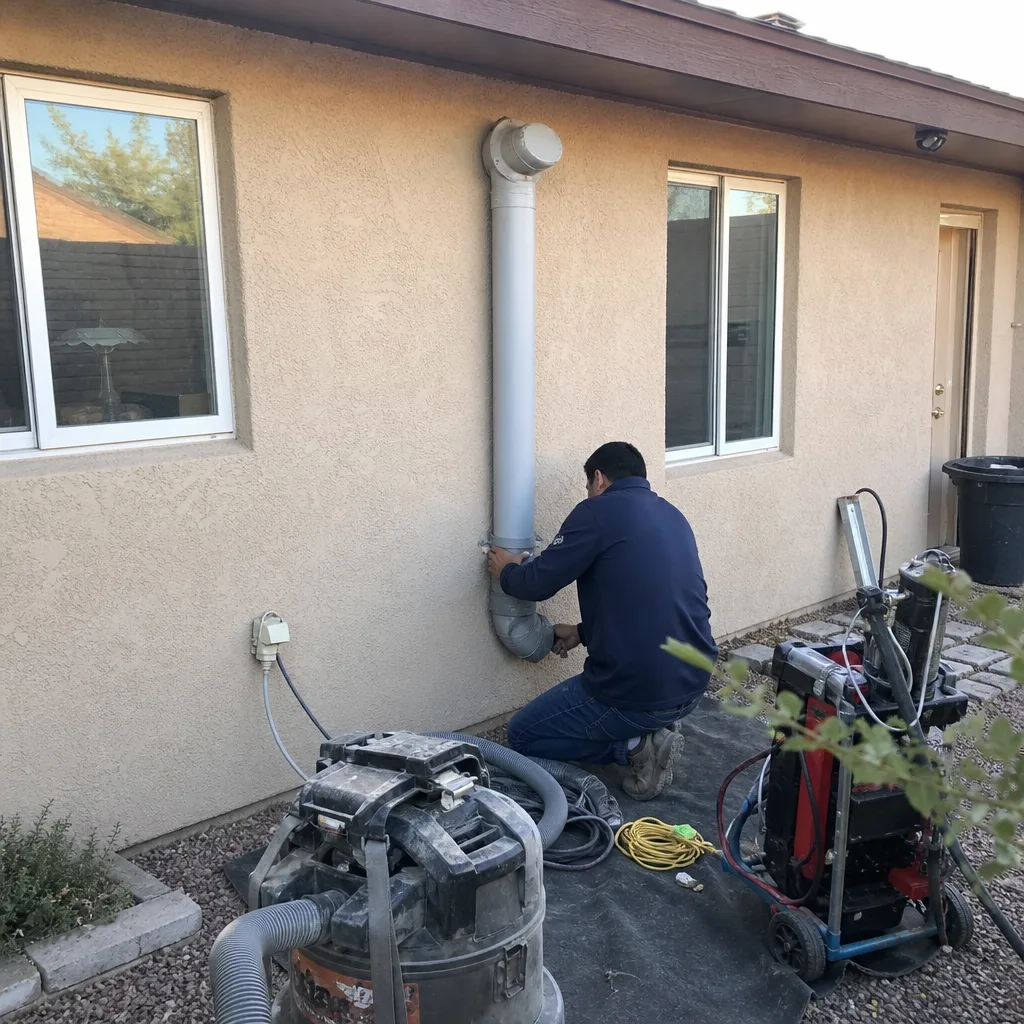 After
After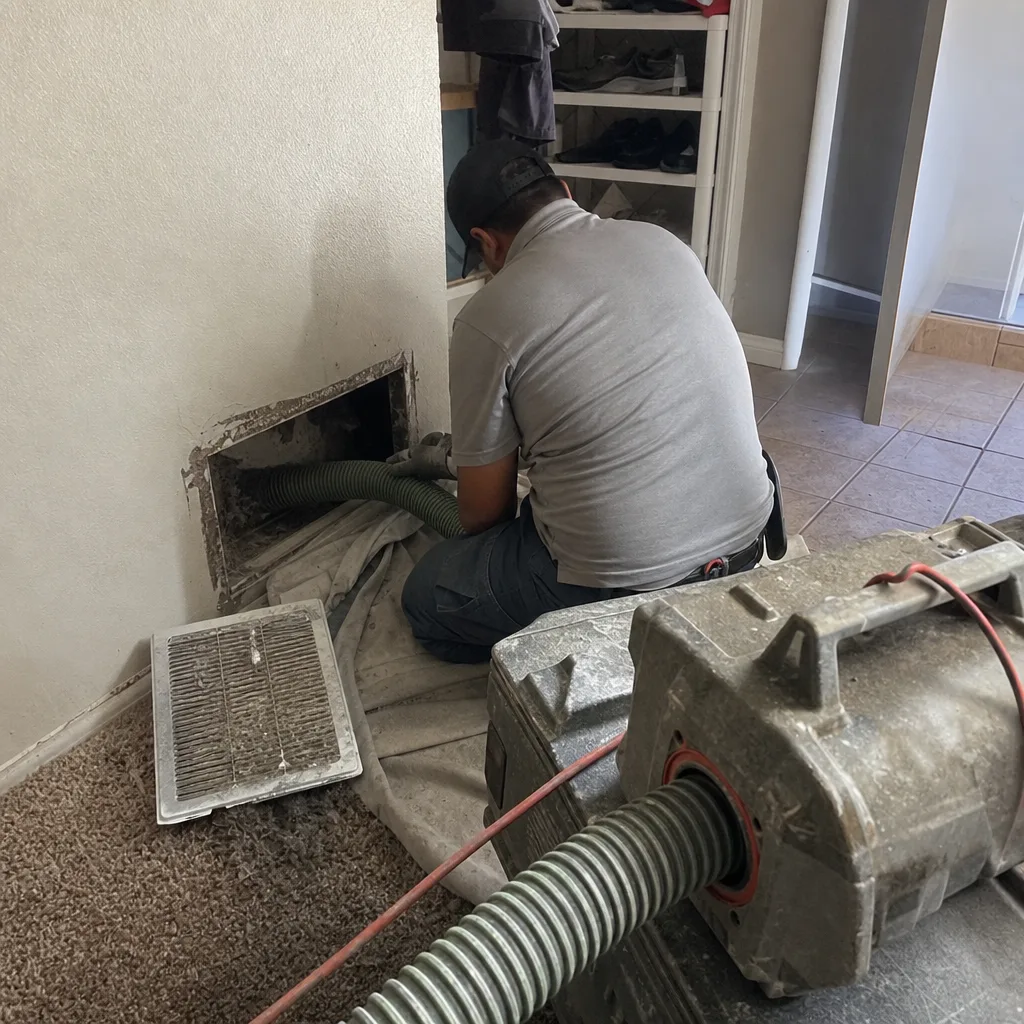 Before
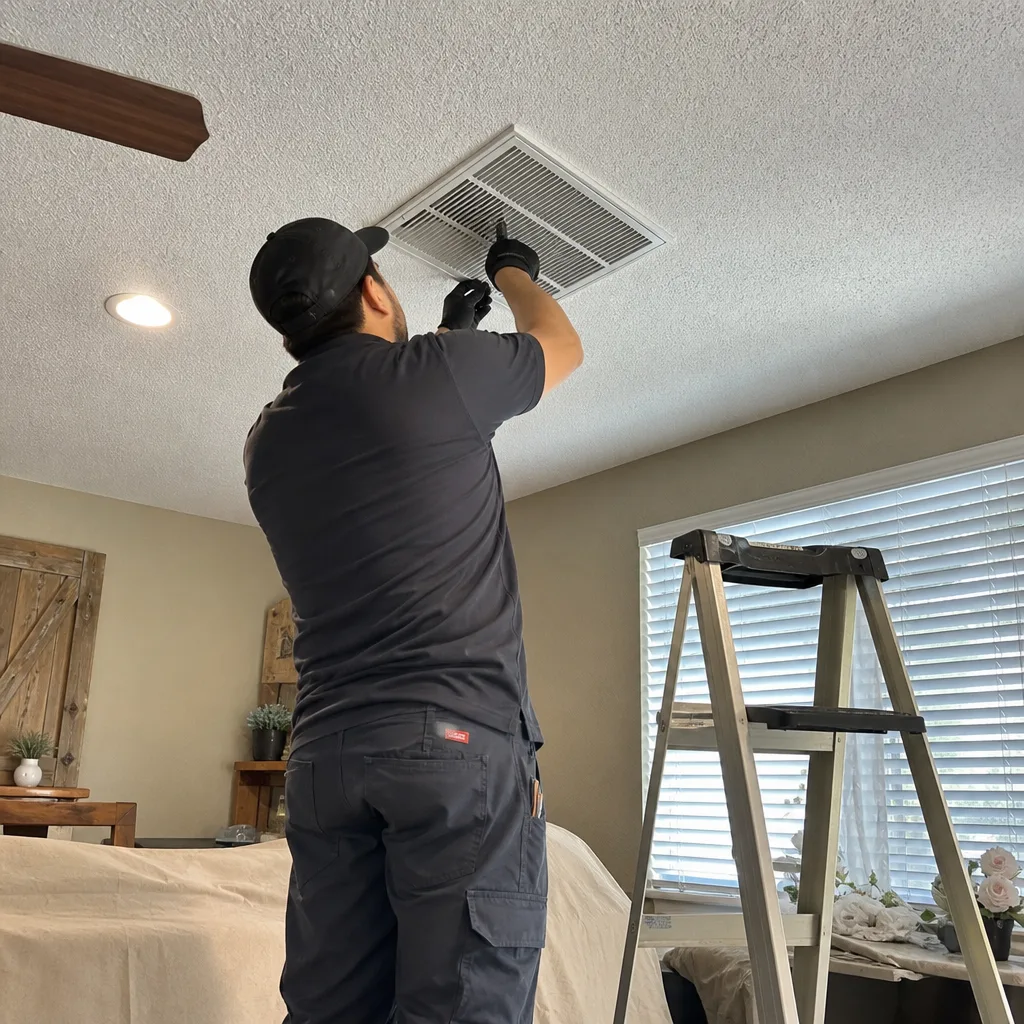 After
After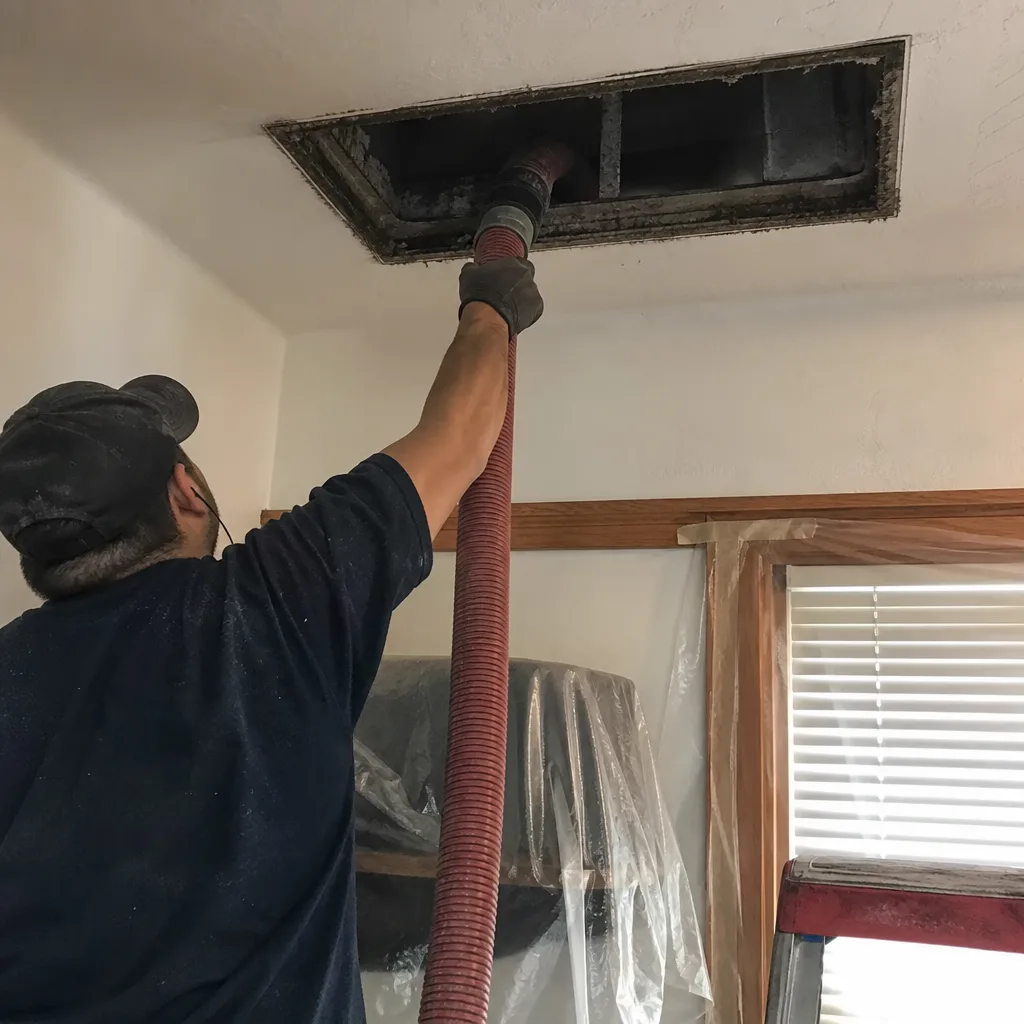 Before
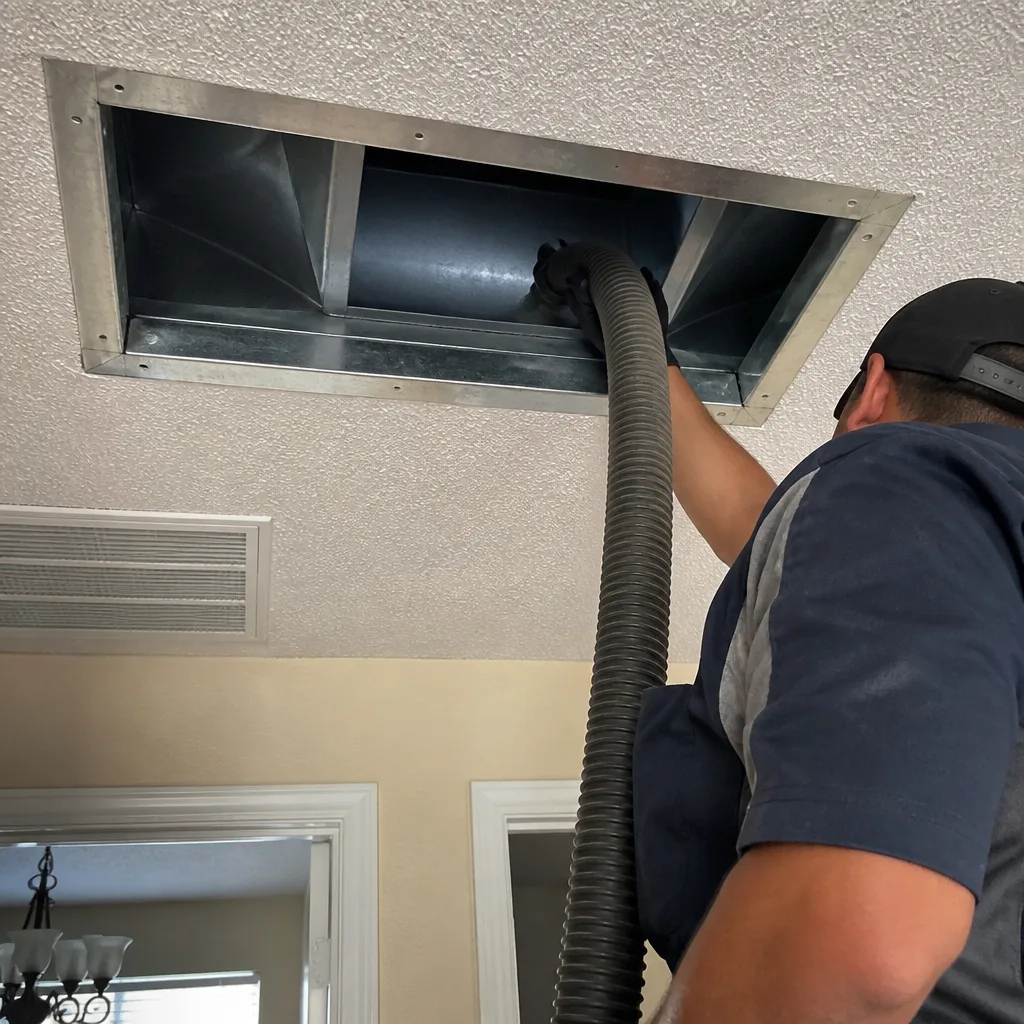 After
AfterReturn Duct Cleaning in Mesa, AZ
Return duct cleaning focuses on the side of your HVAC system that pulls air back to the unit – the return air network – rather than the supply side that pushes conditioned air out. In Mesa homes, this distinction matters because return ducts collect a different class of debris: fine dust, pet dander, and the powdery desert particulate that blows in off the Sonoran Basin and settles inside the plenum before your filter ever sees it. A thorough return duct cleaning removes that buildup using professional negative-pressure extraction and rotary contact cleaning, restoring airflow and reducing what our Air Duct Cleaning services recirculate back through the house on every cycle.
CleanRun Duct Repair & Cleaning has documented the inside of return duct systems in Mesa homes since 2013 – from the newer builds in Eastmark and Cadence to the older tract construction in Dobson Ranch and the mid-century homes near the Fiesta District. Every job starts with a written price before any panel comes off, and every run is photographed before and after as a standard deliverable you keep. If you want to talk through what a return duct cleaning involves for your specific home, call (602) 632-0849 – a live person answers every call. You can also read about the full scope of our Air Duct Cleaning in Mesa service to understand how return duct work fits into a complete system cleaning.
Return vs. Supply Ducts: Why the Difference Matters
Most homeowners know their home has air ducts. Fewer know that those ducts run in two directions. The Supply Duct Cleaning side carries conditioned air from your air handler out through the registers in your ceilings and floors. The return side does the opposite: it draws room air back through the return grilles – typically larger, flat grilles mounted low on walls or in ceilings – across the filter, and back to the air handler to be cooled or heated again.
That distinction has a direct consequence for cleaning. Supply ducts primarily collect dust that escapes past the filter and settles in the run. Return ducts are upstream of the filter, which means everything in your home’s air – skin cells, pet hair, cooking grease vapor, pollen, and the fine silica and iron oxide dust common to Mesa’s desert environment – passes through them before filtration. Over three to five years of typical operation, that traffic leaves a coating on the duct walls and a denser accumulation at every elbow, transition fitting, and boot connection.
The plenum – the central distribution box that connects the air handler to the return network – is often the worst accumulation point in the system. A plenum that hasn’t been cleaned since a home was built can hold enough compacted dust to restrict airflow measurably, which forces the air handler to work harder and raises energy consumption before anything else in the system fails.
When You Need Return Duct Cleaning
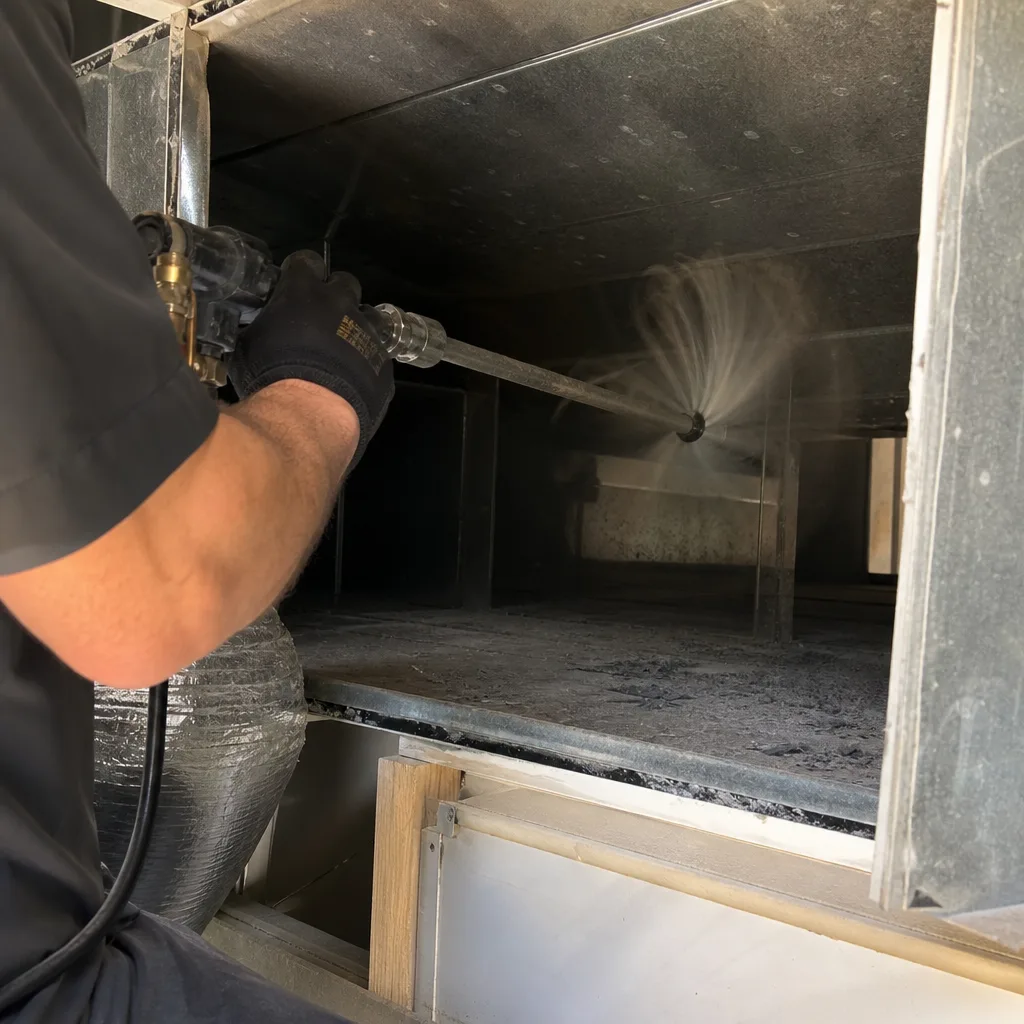
- Visible dust at return grilles within a day or two of vacuuming. If a light grey film reappears quickly on the face of your return grilles, the inside of those runs is shedding into the airstream. This is common in Mesa homes built in the 1990s and early 2000s that have never had a documented duct cleaning.
- Filter loading faster than the manufacturer’s rated interval. A 90-day filter that needs replacing at 30 days is usually a sign that something upstream – the return plenum or the duct walls themselves – is adding particulate load the filter wasn’t rated for. The filter is doing extra work because the return network is acting as a secondary source.
- Musty or stale odor when the system cycles on. In Mesa’s high-humidity monsoon months (July through September), moisture can enter return ductwork through poorly sealed boots and connections, allowing mold spores and biological debris to collect on interior surfaces. That smell is the system redistributing what’s sitting in the return runs.
- Reduced airflow from supply registers despite a clean filter. If the filter is fresh and the supply registers still feel weak, the restriction is likely in the return side – either at the return plenum, at an elbow with heavy debris, or at a collapsed duct liner section. Negative-pressure extraction on the return network is the diagnostic and the fix.
- Recent renovation dust in a home with open return grilles. Drywall dust, wood particulate, and insulation fiber from any remodeling work – kitchen remodels in Chandler-adjacent Mesa neighborhoods, bathroom additions in Gilbert border areas – gets pulled straight into the return ductwork if grilles weren’t sealed before demo. That debris doesn’t filter out; it packs into the system.
- A home purchase with no prior cleaning documentation. CleanRun has photographed return systems in Mesa homes that had never been cleaned since original construction. If you bought in the last several years and have no written record from a prior owner, a before-photo of your return plenum will answer the question faster than any symptom list.
BeforeAfterOur Return Duct Cleaning Process
- Written scope and price, delivered before work begins. Under Haven Standard Clause 1, every job starts with a written price. A technician walks your home, counts return registers, identifies the return plenum location, and notes any accessibility issues – dropped ceilings, attic-run returns, or flex duct connections. You receive the written scope and the price before any panel is removed. There is no “call for a quote” in this process.
- Pre-cleaning photography of every return run. Before negative pressure is applied, a technician photographs the interior of every return duct run and the return plenum using a forward-facing camera. Those images are time-stamped and become part of your job record. This is the before-photo that lets you evaluate the work objectively – not based on how a technician described what he saw.
- Negative-pressure isolation of the return side. A Nikro or Abatement Technologies high-efficiency collection unit is connected at the return plenum, placing the entire return duct network under sustained negative pressure. This means any debris agitated during cleaning is drawn toward the collection unit rather than released into the living space. Supply registers are sealed during this phase so the pressure differential is maintained across the return side only.
- Rotary contact cleaning through each return run. A Rotobrush system – flexible rotating brush heads connected to continuous negative pressure – is fed through each return register into the duct run. The brushes make physical contact with the duct walls, breaking loose the compacted layer of dust, dander, and particulate that vacuum-only methods leave behind. At each elbow and transition fitting, the technician works the brush head through the geometry to address the accumulation points where debris concentrates.
- Plenum cleaning and inspection. The return plenum is cleaned separately as a focused step, not a pass-through. In Mesa homes, particularly those with attic-mounted air handlers in the hotter Superstition Foothills-facing neighborhoods, the plenum collects insulation fiber and fine particulate at a higher rate than the individual runs. The technician cleans the plenum interior, inspects the connection points for separation or air bypass, and photographs the result.
- Post-cleaning photography and job record delivery. After every return run and the plenum have been cleaned, the technician photographs each location again. The before-and-after images are compiled into your documented job record, which you receive as a standard deliverable – not an upgrade, not an add-on. Every job at CleanRun has included this record since the first job in 2013. The 365-Day Done Right Promise is noted on the written job record: if the work is not right, CleanRun makes it right.
Return Duct Cleaning Pricing in Mesa
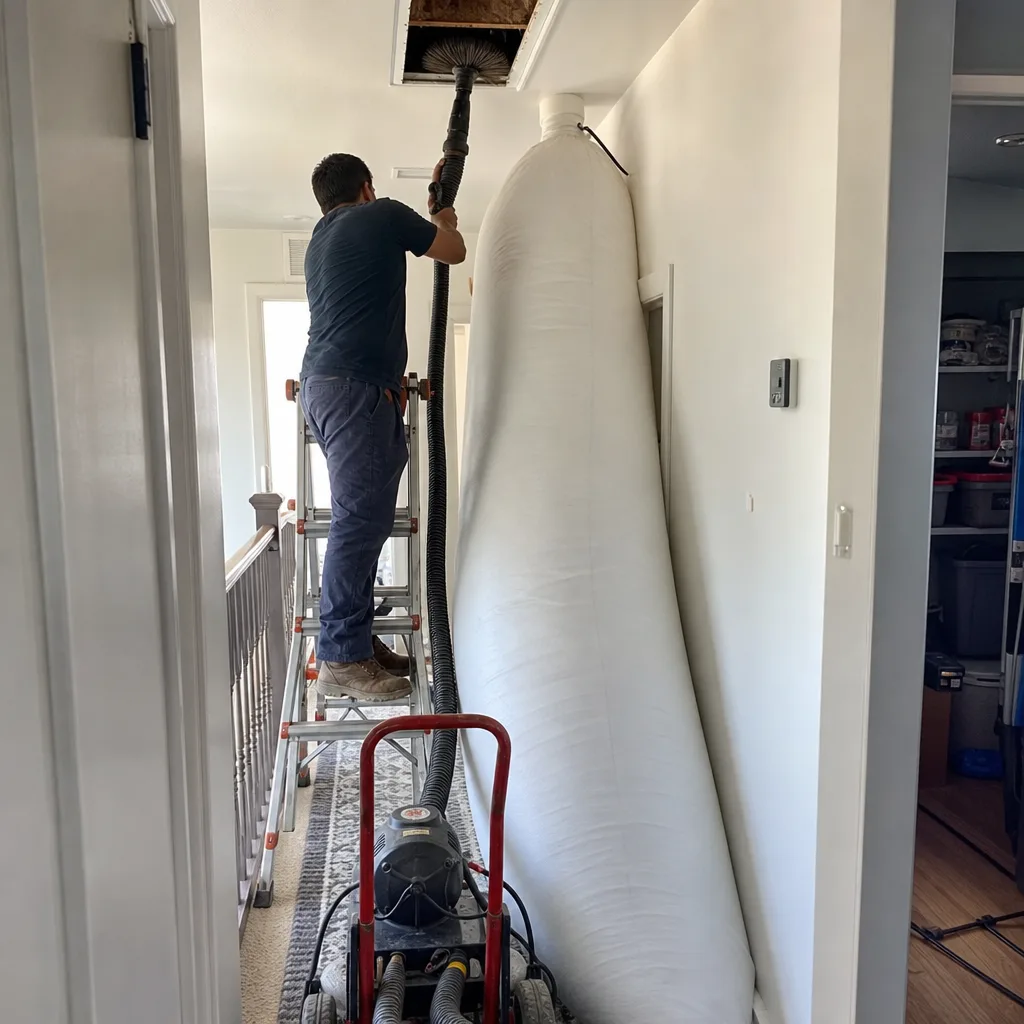
Return duct cleaning in Mesa typically runs between $180 and $420 when performed as a standalone service, depending on factors specific to your home’s layout and system configuration. Most Mesa homes fall in the $220-$340 range. When return duct cleaning is included as part of a full home air duct cleaning, the combined cost is generally lower per component than standalone pricing.
What affects the price:
- Number of return registers: A standard 1,800 sq. ft. Mesa home often has 2 to 4 return registers. Larger homes in the Red Mountain Ranch or Las Sendas areas may have 6 or more, sometimes with separate zone returns on upper floors.
- Return plenum location and accessibility: Attic-mounted systems require the technician to work in confined, high-temperature conditions – particularly relevant in Mesa from May through October. Attic-mounted return plenums in homes with 8/12 or steeper roof pitches take longer to access safely.
- Duct material: Fiberglass duct board and internally-lined flex duct require different brush techniques than bare sheet metal runs. The Rotobrush system accommodates both, but internally-lined ducts take more time because the brush speed is adjusted to avoid fiber separation.
- Debris load: Homes where the return system has never been documented add time for the before-photography step and often require multiple passes at accumulation points. The price reflects the actual condition photographed, not a guess made before the panel comes off.
- Combined vs. standalone service: Return duct cleaning paired with supply duct cleaning in a single visit is more efficient to perform, and that efficiency is reflected in the written price you receive before work starts.
Every price is written and given to you before work begins – Haven Standard Clause 1 applies on every job, no exceptions. If you have a written estimate from another company, bring it: CleanRun offers a free second opinion, and our written number goes next to theirs so you can compare them accurately. Call (602) 632-0849 and we’ll put a written price in your hands before any technician picks up a tool.
What Mesa’s Climate Does to Return Ductwork
Mesa’s desert environment creates specific conditions that accelerate return duct contamination in ways that national cleaning guides don’t address. The fine particulate load from Sonoran Desert soils – dominated by silica, calcite, and iron-bearing minerals – is smaller in average particle size than the dust found in humid-climate cities. That means more of it passes through standard filter media and coats return duct walls rather than loading the filter face. Homeowners in Mesa who run their systems year-round (which is most of them, given cooling loads from May through October) are moving that particulate through the return network continuously.
The monsoon season adds a different variable. From early July through mid-September, relative humidity in Mesa spikes – sometimes from single digits to 60 percent or higher within an hour during a haboob event. Return ductwork with any gap at a boot connection or register seal pulls humid air directly into the system. If the duct interior has a layer of organic material – dust, dander, any biological debris – elevated humidity gives that layer the conditions it needs to support microbial activity. CleanRun’s Video Inspection has documented this pattern in return systems across the Dobson Ranch and Sunland Village neighborhoods, where older construction sometimes has return boots that were never sealed at installation.
Homes near the San Tan Mountains and the gravel-covered lots in eastern Mesa neighborhoods also see elevated coarse particulate loading. The return system in these homes is often the first place that loading becomes visible on camera.
FAQs – Return Duct Cleaning
What is a return duct, and how is it different from a supply duct?
A return duct is the portion of your HVAC duct system that carries room air back to the air handler – it’s the intake side. Supply ducts carry conditioned air out to the rooms through registers in the floor or ceiling. In most Mesa homes, return grilles are larger, fewer in number, and positioned to draw air from central areas like hallways and living rooms. Because return air travels through these ducts before it reaches the filter, return ducts accumulate a broader and denser range of debris than supply ducts do.
How much does return duct cleaning cost in Mesa?
How Much Does Air Duct Cleaning Cost? (2026 Price Guide) - Mesa, AZ: Return duct cleaning in Mesa runs between $180 and $420 for most homes, with the majority of jobs landing in the $220-$340 range. The number of return registers, the location of the return plenum (especially attic-mounted systems, which are common in Mesa), and the overall debris load captured in the pre-cleaning photos all affect where your job lands in that range. CleanRun gives you a written price before any work starts – call (602) 632-0849 and we’ll put that number in writing before a technician removes a single grille.
Can return duct cleaning improve airflow and energy efficiency?
Yes, when the return system has measurable debris buildup. A compacted debris layer on return duct walls and inside the plenum reduces the effective cross-section of the duct, which increases static pressure and forces the air handler blower to work harder. CleanRun’s before-and-after photography has documented visible restriction at return plenum inlets in Mesa homes – particularly in homes over 10 years old with no prior cleaning record. Removing that restriction lowers the blower’s workload. The degree of efficiency improvement depends on how significant the original restriction was, which the before-photo documents objectively.
How often should return ducts be cleaned in Mesa?
For most Mesa homes, a documented return duct cleaning every 3 to 5 years is a reasonable interval. Homes with pets, occupants with respiratory sensitivities, or properties near unpaved lots or active construction sites in growing eastern Mesa corridors may benefit from a shorter interval – closer to 2 to 3 years. The more useful benchmark is photographic: if the before-image at your return plenum inlet shows a visible debris layer, the system is due regardless of calendar date. CleanRun’s documented photo record from your last job gives you an objective starting point for that comparison.
Written by Tomas Reyes, Owner at CleanRun Air Duct Cleaning Mesa, serving Mesa.