
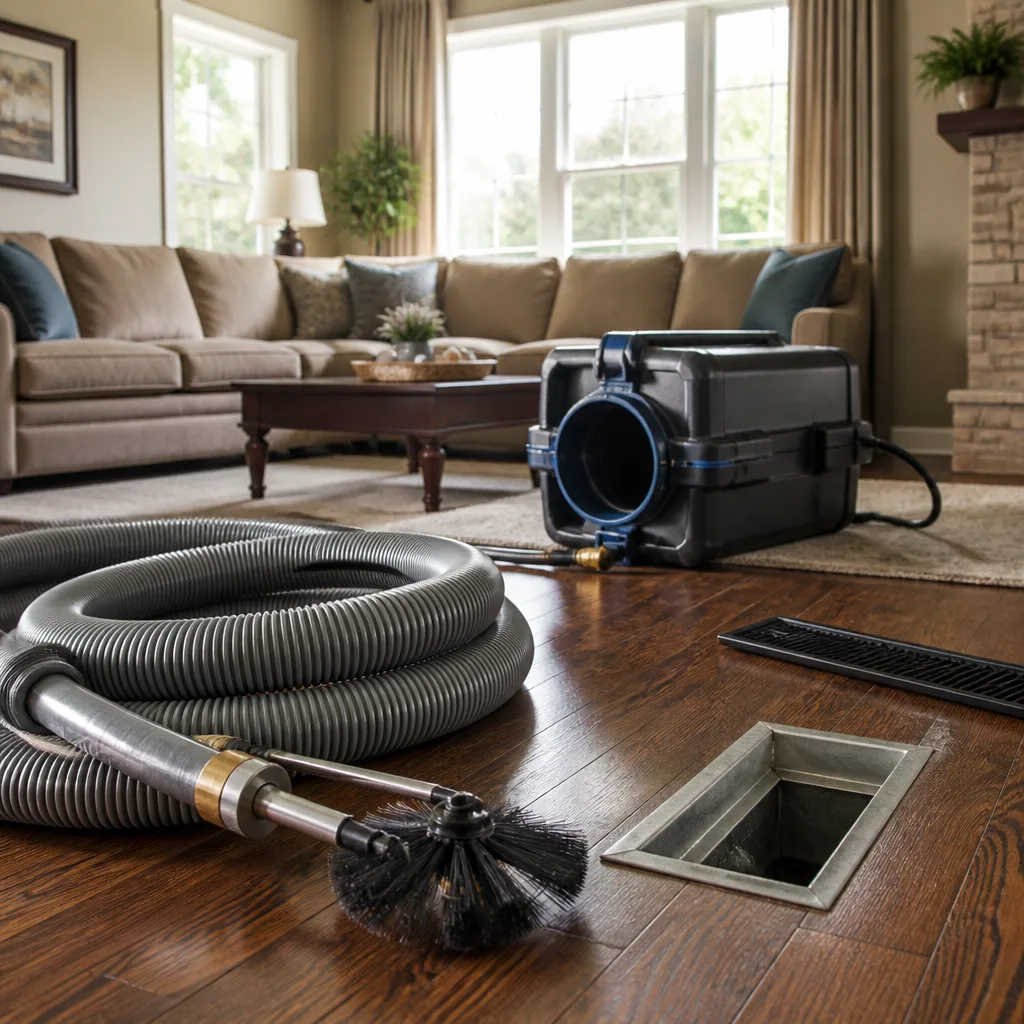
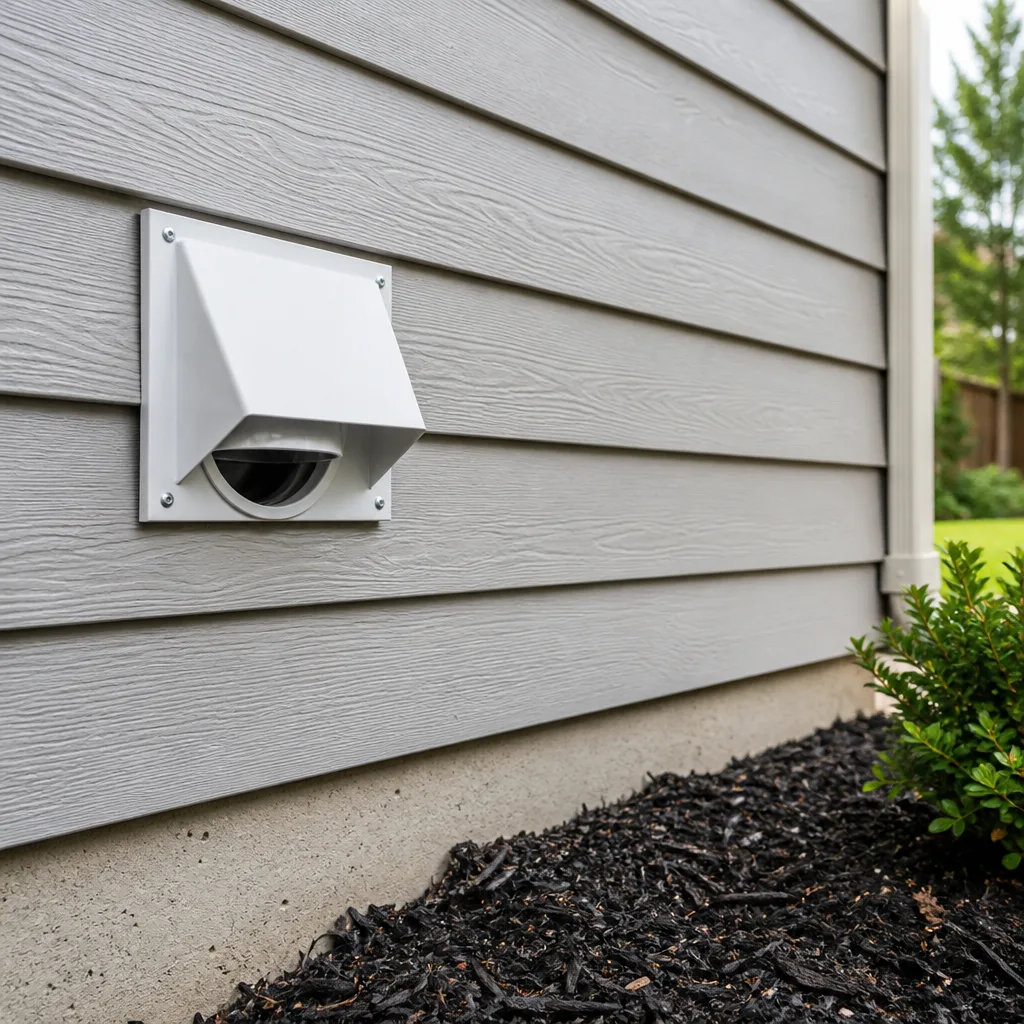
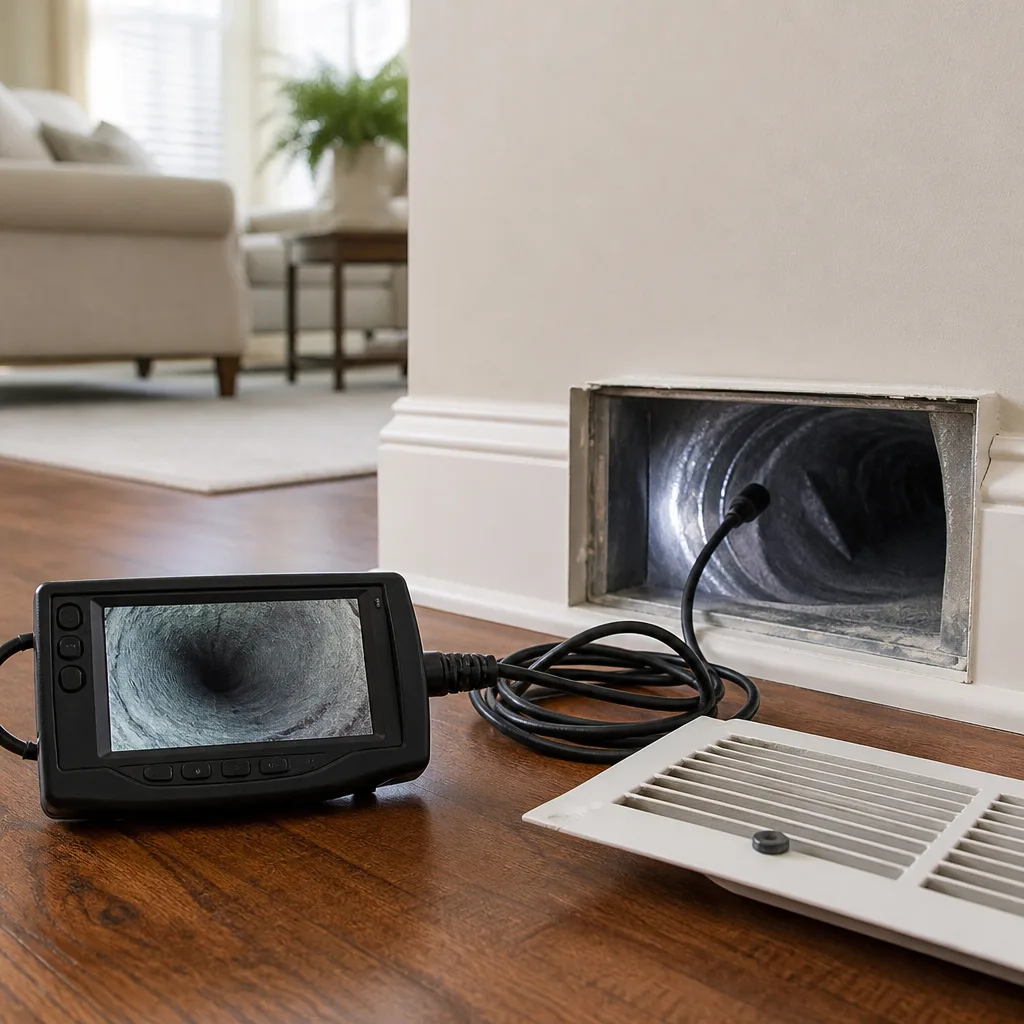
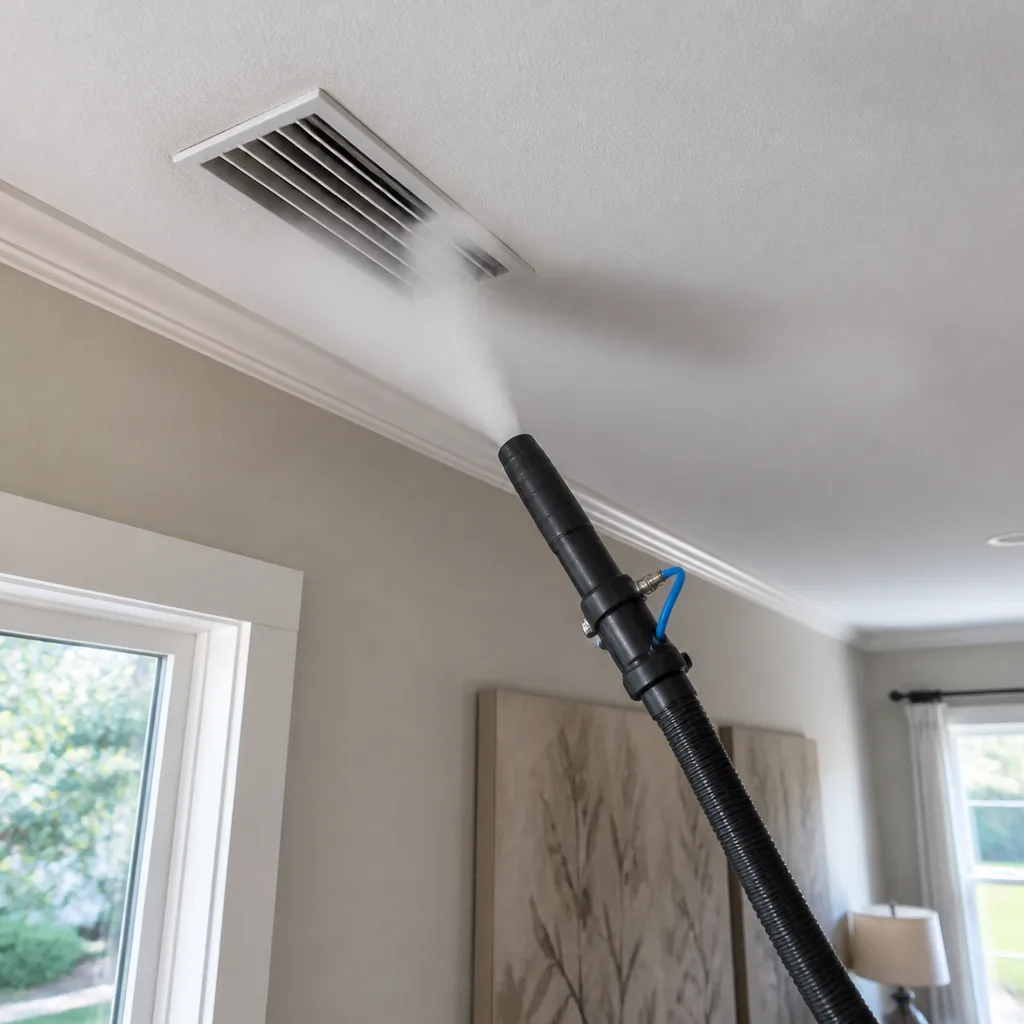
Whole-system duct and dryer vent check with before-and-after photos - you see exactly what came out of your vents
That "$99 whole-house special" is a bait ad - the real number appears once they are in your hallway, or the "clean" is a shop-vac at the register. We photograph the inside of your ducts before and after instead.
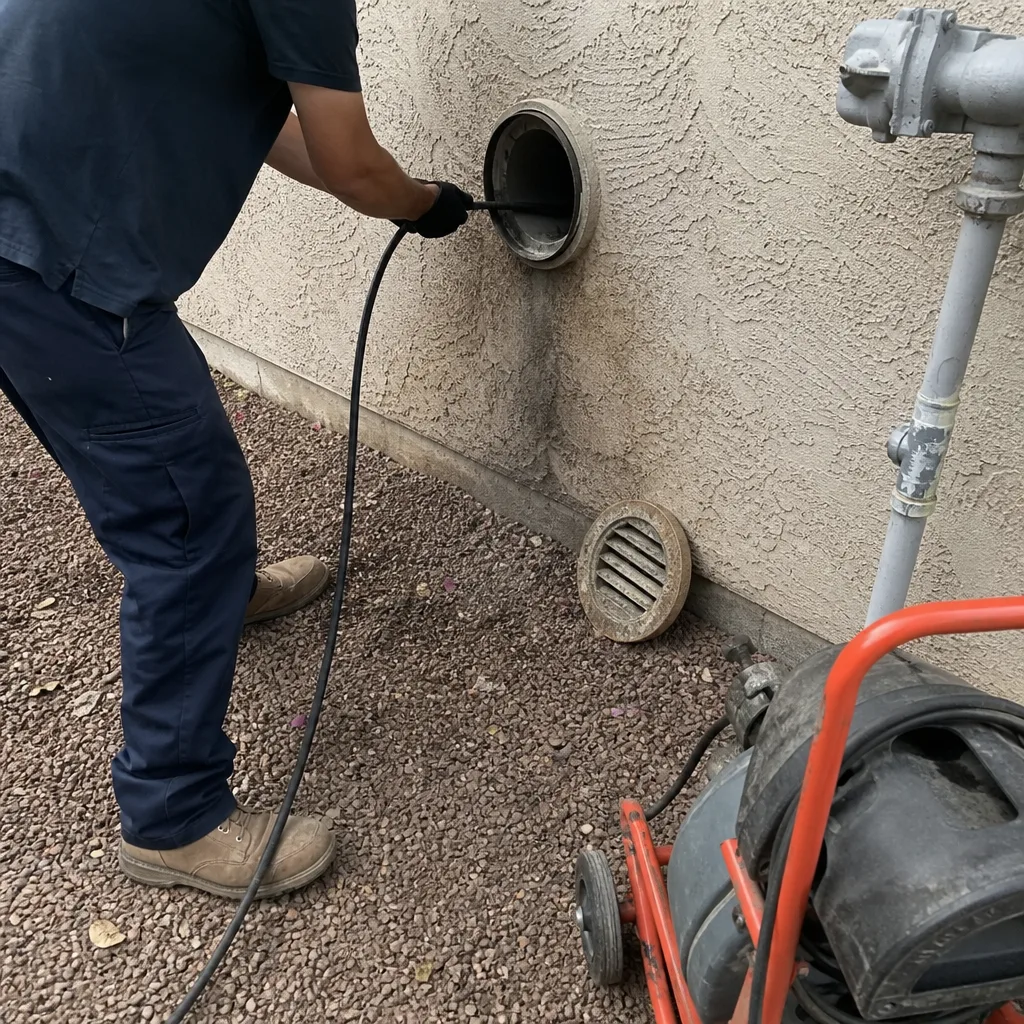 Before
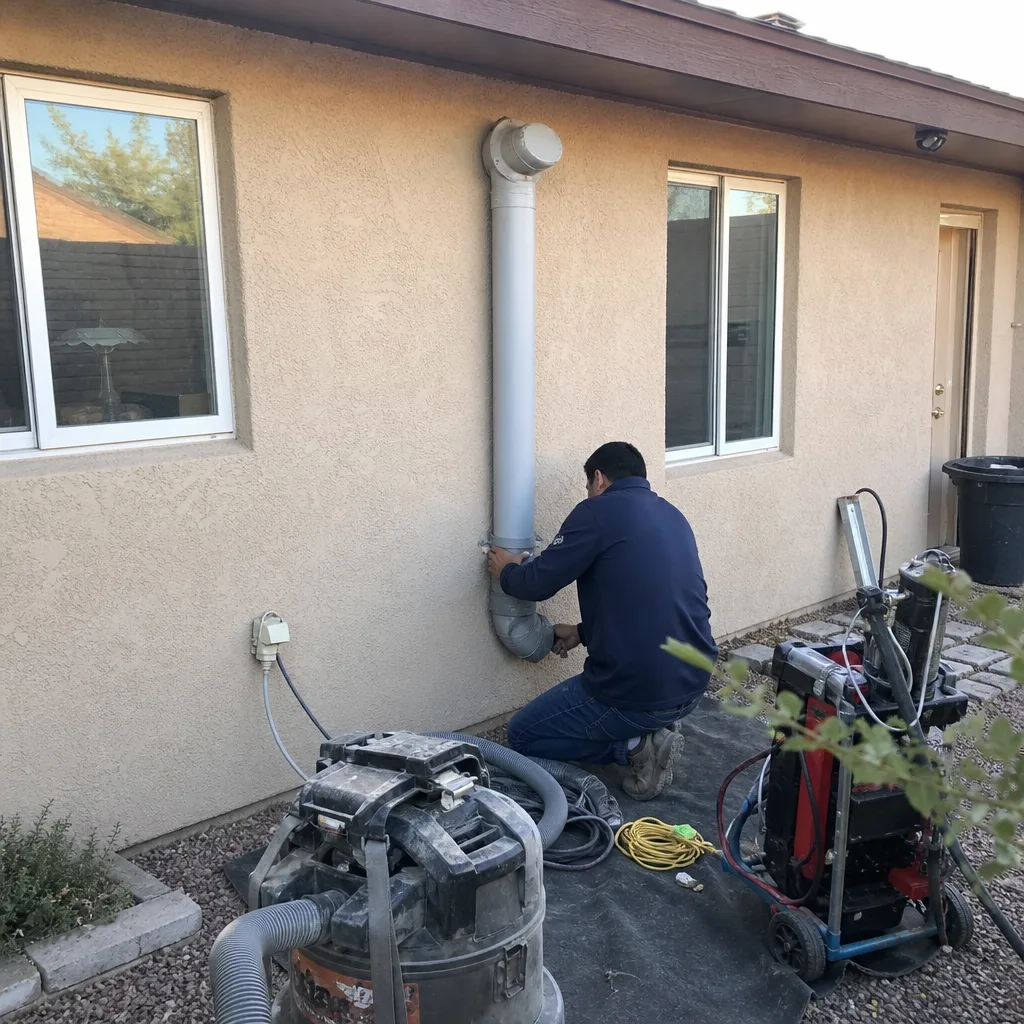 After
After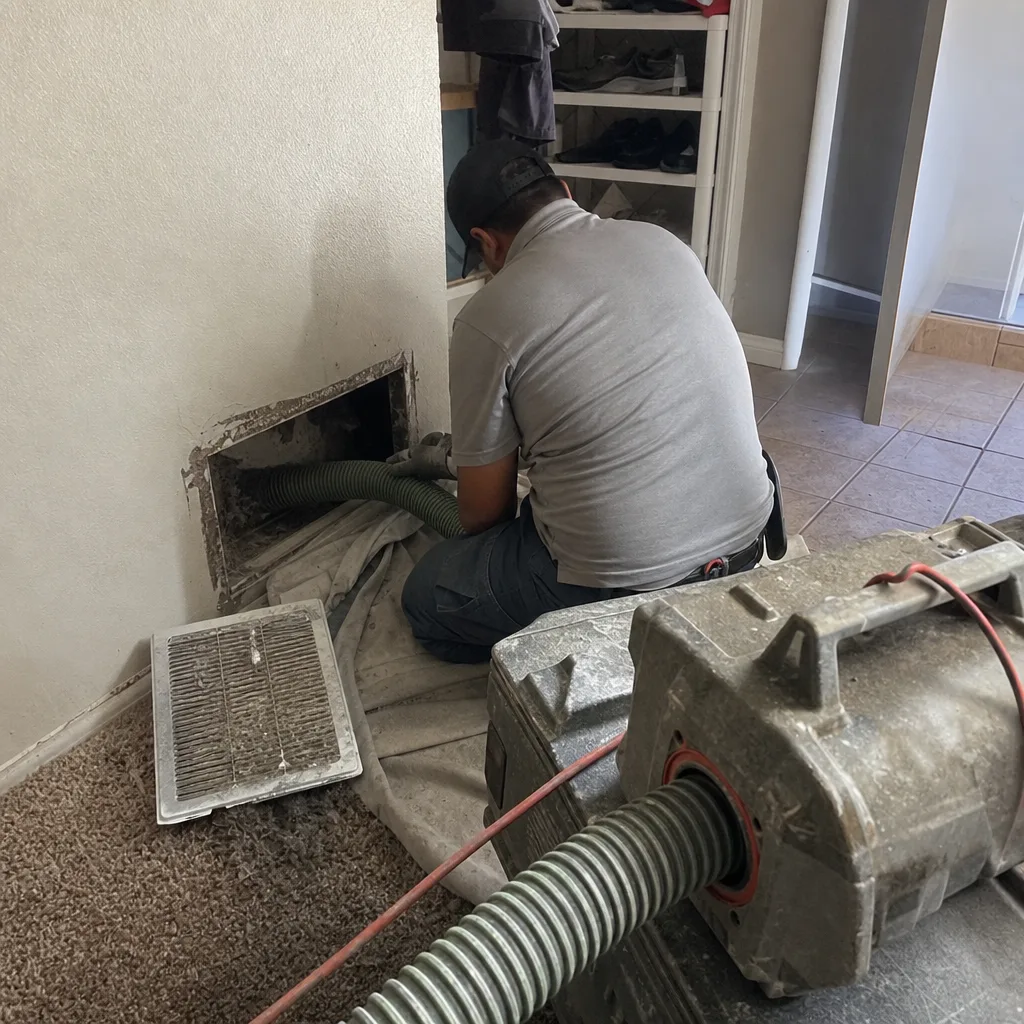 Before
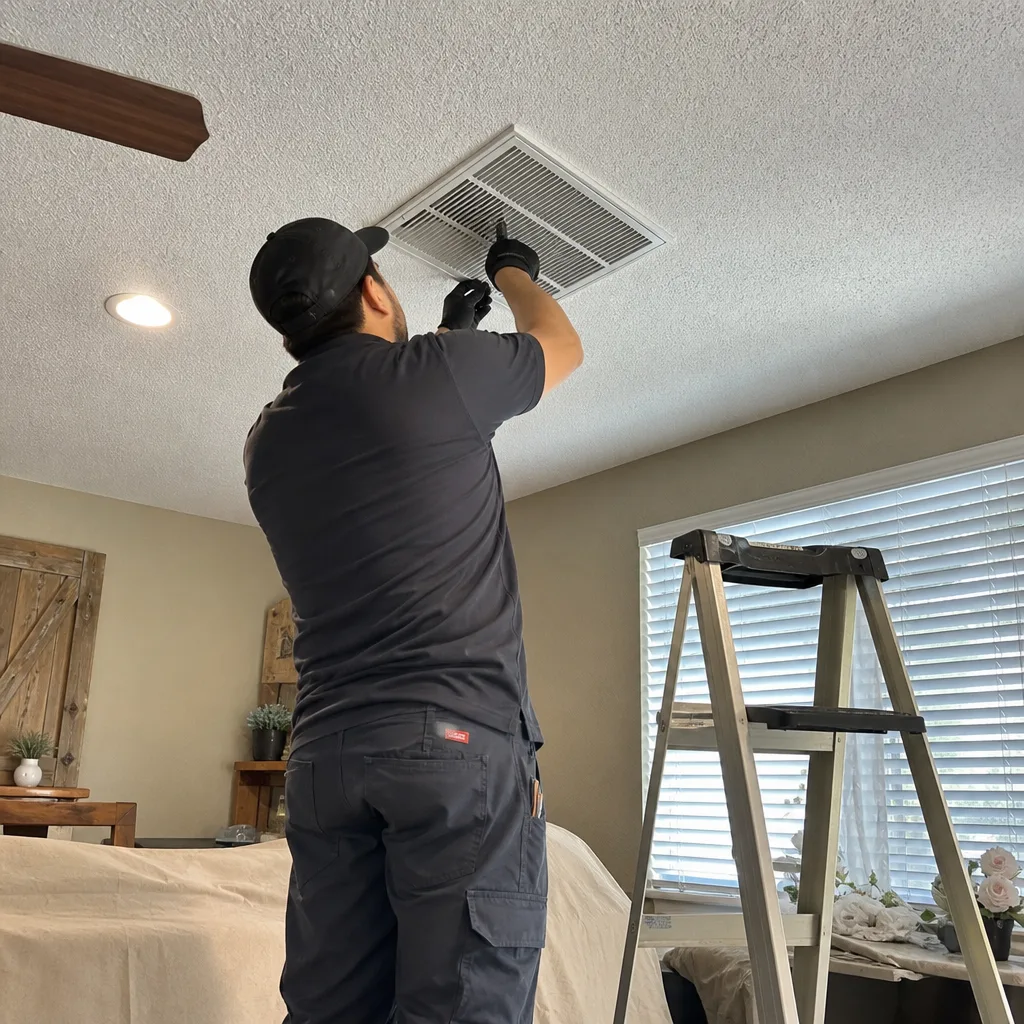 After
After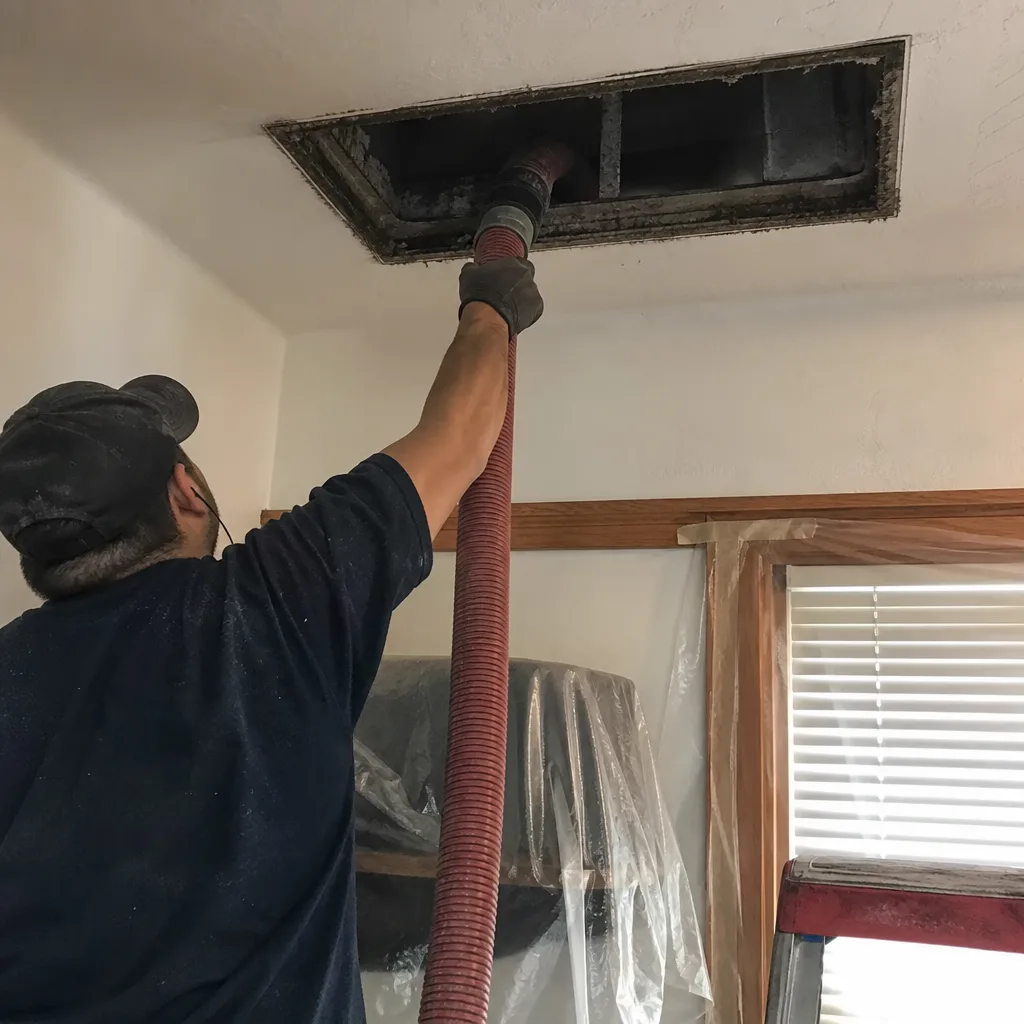 Before
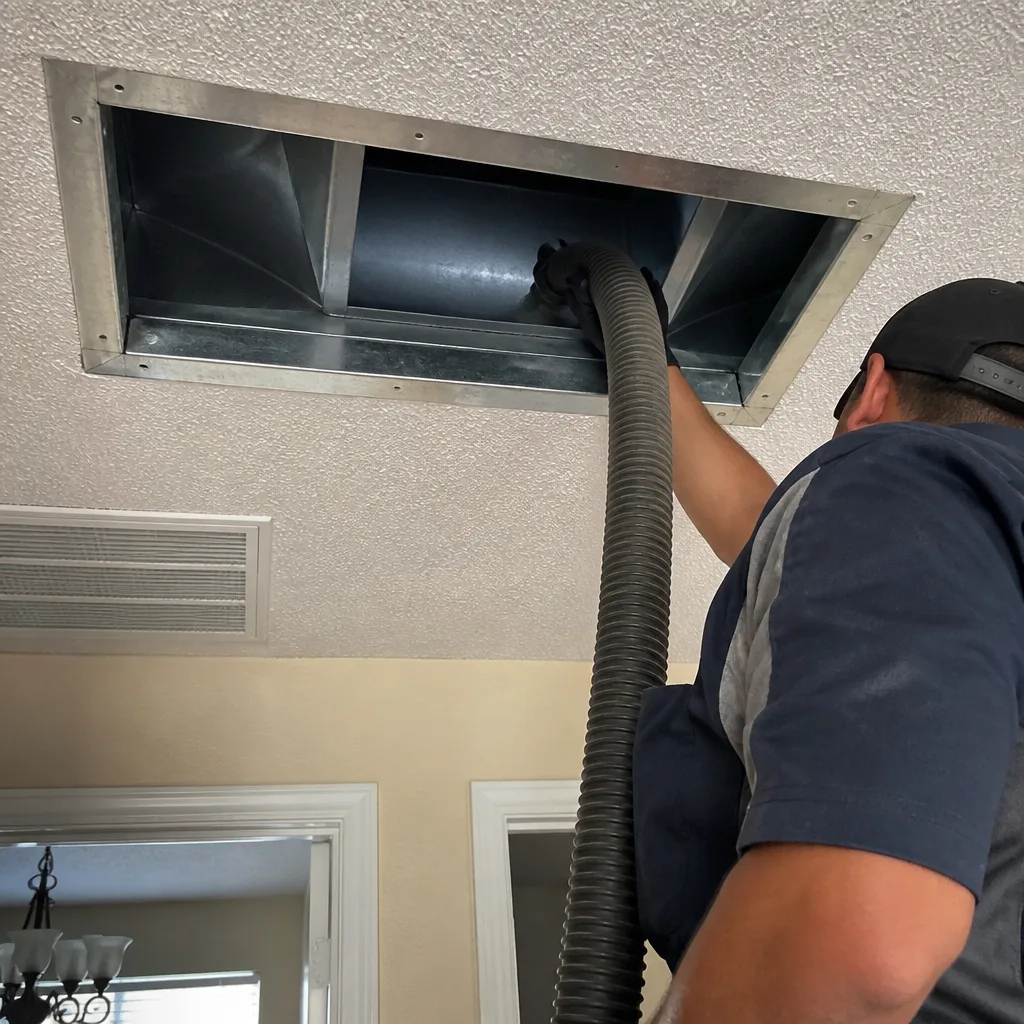 After
AfterHoneywell Coil Cleaning: The Mesa Owner’s Guide
CleanRun stocks and installs Honeywell-compatible evaporator and condenser coil cleaning services in Mesa, with typical whole-system pricing from $340 to $580 depending on system size and contamination level. Most Honeywell coil jobs are completed in a single visit, and we carry the full chemical and mechanical cleaning kit for Honeywell’s common residential series on every truck. Homeowners usually discover the problem when their Honeywell system runs constantly but the house won’t cool below 78°F, or when they notice a musty, wet-cardboard smell every time the compressor kicks on - both signs that the coil is choked with debris and biological growth.
Which Honeywell Models This Applies To
Honeywell’s residential HVAC line in Mesa homes breaks into three main series you’re likely to encounter. The Prestige IAQ systems, common in builds from 2018 forward, use matched coils with a wider fin spacing that traps desert dust differently than standard-density coils. The FocusPRO and T6 Pro series, found in most 2015-2022 tract homes near Dobson Ranch and the Fiesta District, typically pair with cased A-coils that require panel removal for proper access. The Lyric-era systems and older Chronotherm installations in 1990s-2000s Mesa builds often have uncased slab coils in attic plenums, the box that distributes air into your duct runs.
To identify your exact coil, check the metal label on the coil housing itself, not just the thermostat. Look for a model starting with CX or CHX for cased coils, or CDX for uncased. The critical spec is the nominal tonnage, stamped as 18, 24, 30, 36, 42, or 60 - this must match your outdoor condenser. A 3-ton coil with a 3.5-ton condenser is a mismatch we see frequently in Mesa’s rush-built subdivisions, and it causes the exact icing and poor cooling that gets misdiagnosed as “just needs a cleaning.”
We use Honeywell-specified foaming cleaner and soft-bristle rotary tools, not the generic pressure-wash approach that bends fins and voids remaining warranty coverage. CleanRun is an independent service provider with no affiliation to Honeywell.
Signs Your Honeywell Coil Cleaning Is Failing
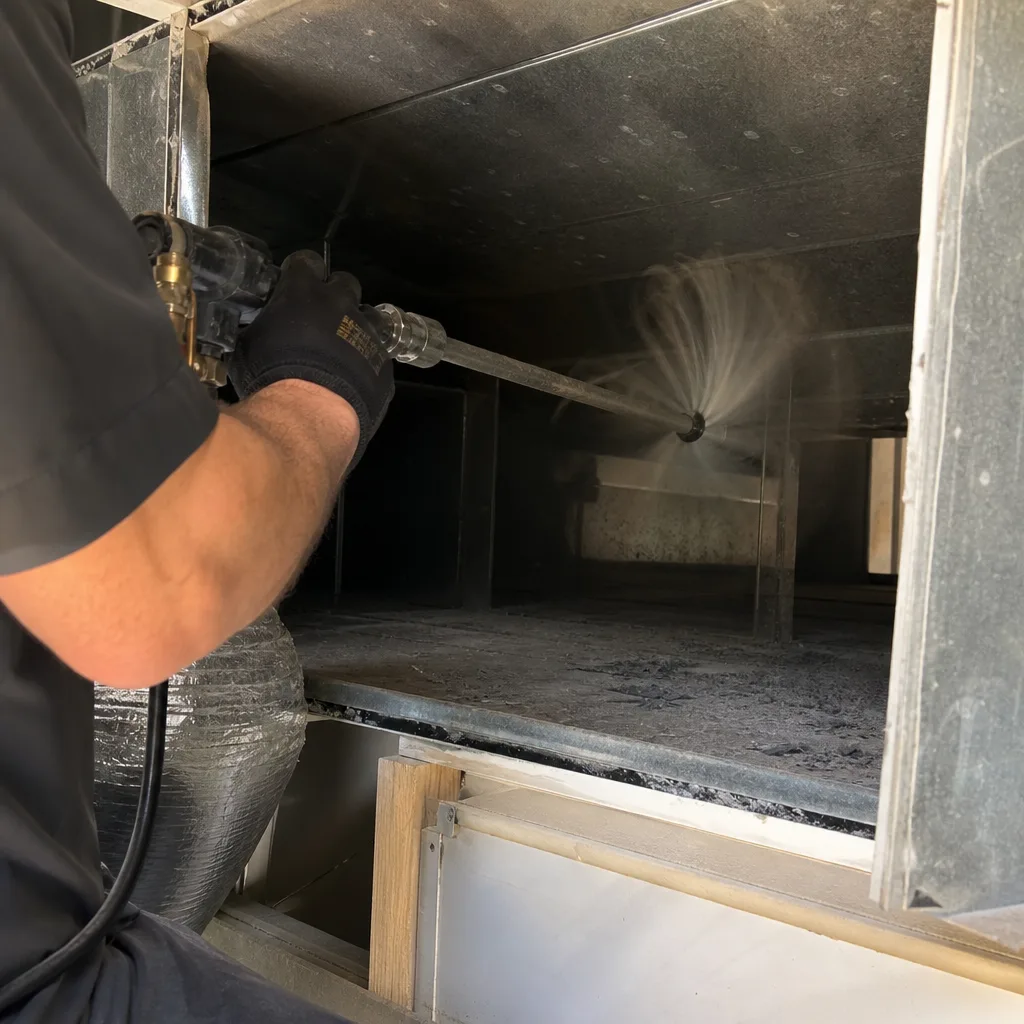
- Uneven cooling room to room. The coil has developed patchy blockage - usually biological growth on the downstream side where Mesa’s hard water condensate leaves mineral film. Air finds the clean paths and over-cools those rooms while starved runs, individual duct branches, stay warm.
- Ice on the refrigerant lines or coil exterior. Restricted airflow across the fins drops the coil temperature below freezing. The ice itself then insulates the coil worse, compounding the problem until the system shuts off on low-pressure safety.
- Musty or sour smell from vents when AC cycles on. The odor is microbial growth on the coil and the drain pan beneath it. In Mesa’s dry climate this surprises homeowners, but the coil itself is a wet surface for months at a stretch - exactly the environment mold and bacteria colonize.
- Water around the indoor unit or stained ceiling below. A dirty coil slows drainage, and the pan overflows. We document this with the inspection camera: the pan’s primary drain port is clear, but water backs up because the coil’s surface tension is holding it in suspension rather than letting it drip through.
- Electric bill climbing without thermostat change. The system runs longer to hit setpoint. A coil with 1/16 inch of debris buildup can reduce heat transfer efficiency by 20 percent or more - we’ve measured this on camera in Mesa homes where the owner assumed the unit was “just getting old.”
BeforeAfterReplacement Cost & What’s Included
Whole-system Honeywell coil cleaning in Mesa runs $340-$580 under Haven Standard Clause 1, with the written price delivered before any panel comes off. The range reflects system size (tonnage), coil accessibility, and contamination severity - a lightly soiled 2-ton cased coil in a garage closet is at the low end; a heavily biologically fouled 5-ton uncased coil in a 140°F Mesa attic with limited access is at the high.
Every job includes: full system shutdown and lockout, coil inspection with photo documentation, foaming chemical application and dwell time, rotary soft-brush mechanical cleaning, fin straightening where needed, drain pan and line cleaning, reassembly, and operational test. The deliverable is a Documented Photo Record of every stage, plus the written scope and your 365-Day Done Right Promise. We also stock Lennox, Trane, and Carrier coil cleaning chemistry on the same truck - no need to match a brand to a different van.
DIY or Call Us?
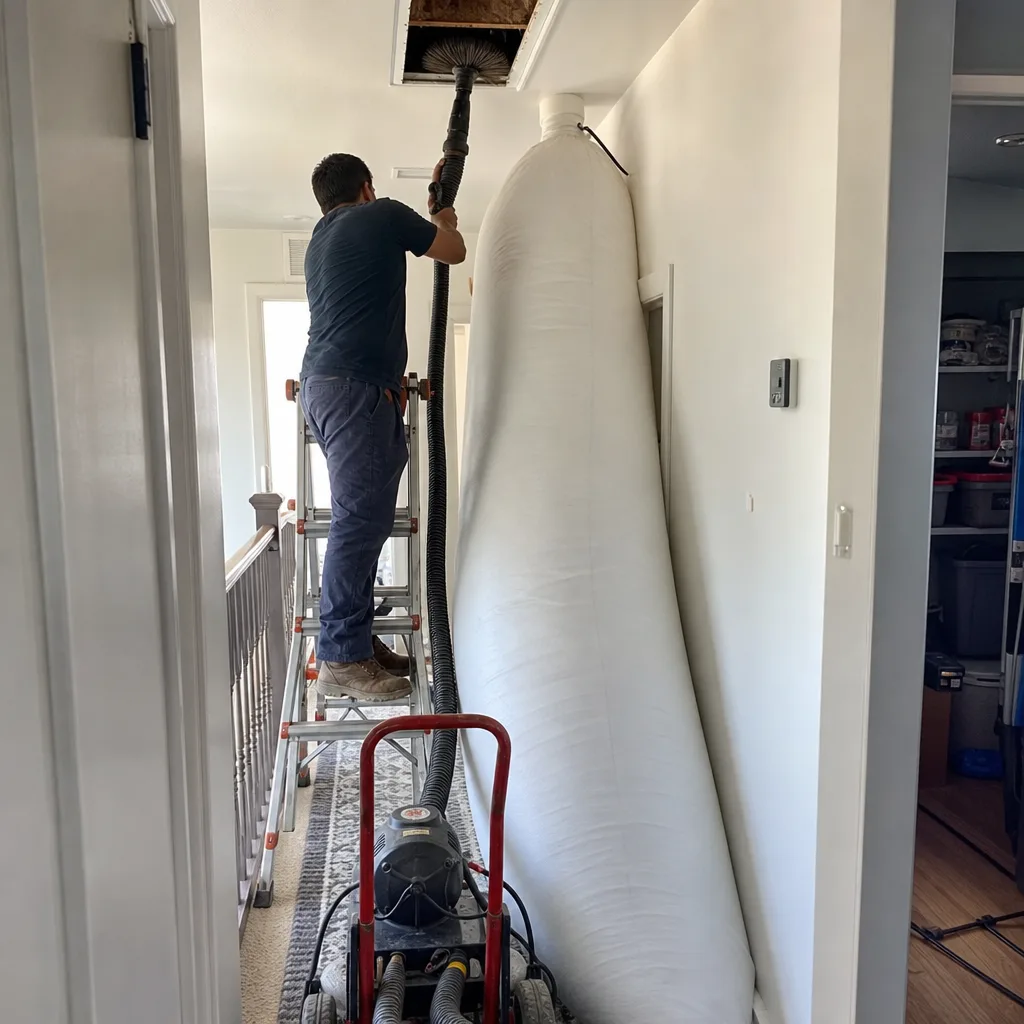
What you can safely check: verify your filter is clean and correctly sized, confirm the thermostat is calling for cooling, and look for obvious ice on the refrigerant lines. What you should not attempt: opening the coil housing, applying foaming chemicals, or using a pressure washer on aluminum fins. The refrigerant lines contain pressurized gas; the electrical compartment has 240V even with the thermostat off; and bent fins are permanent damage that requires coil replacement, not cleaning.
Here’s what was in there. Now let’s talk about what comes next. We’ve cleaned Honeywell coils in Mesa since 2013, including plenty where the homeowner started with a foaming can from the hardware store and ended up with a bent, still-dirty coil and a service call that cost more than the original professional cleaning would have. Tomas Reyes and our crew carry the right chemistry and the right rotary tools for Honeywell’s fin geometry, and we put the written price in your hand before any work starts. Call (602) 632-0849 for a free estimate.
FAQs
Most residential cleanings take 90 minutes to 2.5 hours from arrival to final test, depending on system size and how much dismantling the coil location requires. Attic installations in Mesa’s summer heat sometimes need additional cooldown breaks for crew safety, which we build into the schedule, not the invoice. Call (602) 632-0849 for an exact quote - estimates are free.
No - “repair” isn’t the right concept for coil contamination. The choice is between proper cleaning and coil replacement. If the fins are corroded through, if the copper tubing has pinholes from formicary corrosion common in Mesa’s chemical environment, or if more than 30 percent of fins are bent flat, we document that on camera and quote replacement instead. We do not clean coils that need replacing.
Every 3 to 5 years for typical residential use, sooner if you have pets that shed, run the system year-round, or live near active construction. Mesa’s combination of fine desert dust, hard water, and extended cooling seasons accelerates buildup compared to coastal or northern climates. The camera tells the real story - we’ve documented 2-year-old coils with substantial blockage and 7-year-old coils that were still reasonably clean.
Yes - we carry Honeywell-compatible foaming cleaner, neutralizing rinse, soft rotary brushes sized for their fin spacing, and fin combs for the specific fins-per-inch count. No waiting for parts, no return trip. The truck also carries Lennox, Trane, and Carrier chemistry, so mixed-brand homes are handled in the same visit.
Written by Tomas Reyes, Owner, CleanRun Air Duct Cleaning Mesa at CleanRun Air Duct Cleaning Mesa, serving Mesa and nearby areas.