
Whole-system duct and dryer vent check with before-and-after photos - you see exactly what came out of your vents
That "$99 whole-house special" is a bait ad - the real number appears once they are in your hallway, or the "clean" is a shop-vac at the register. We photograph the inside of your ducts before and after instead.
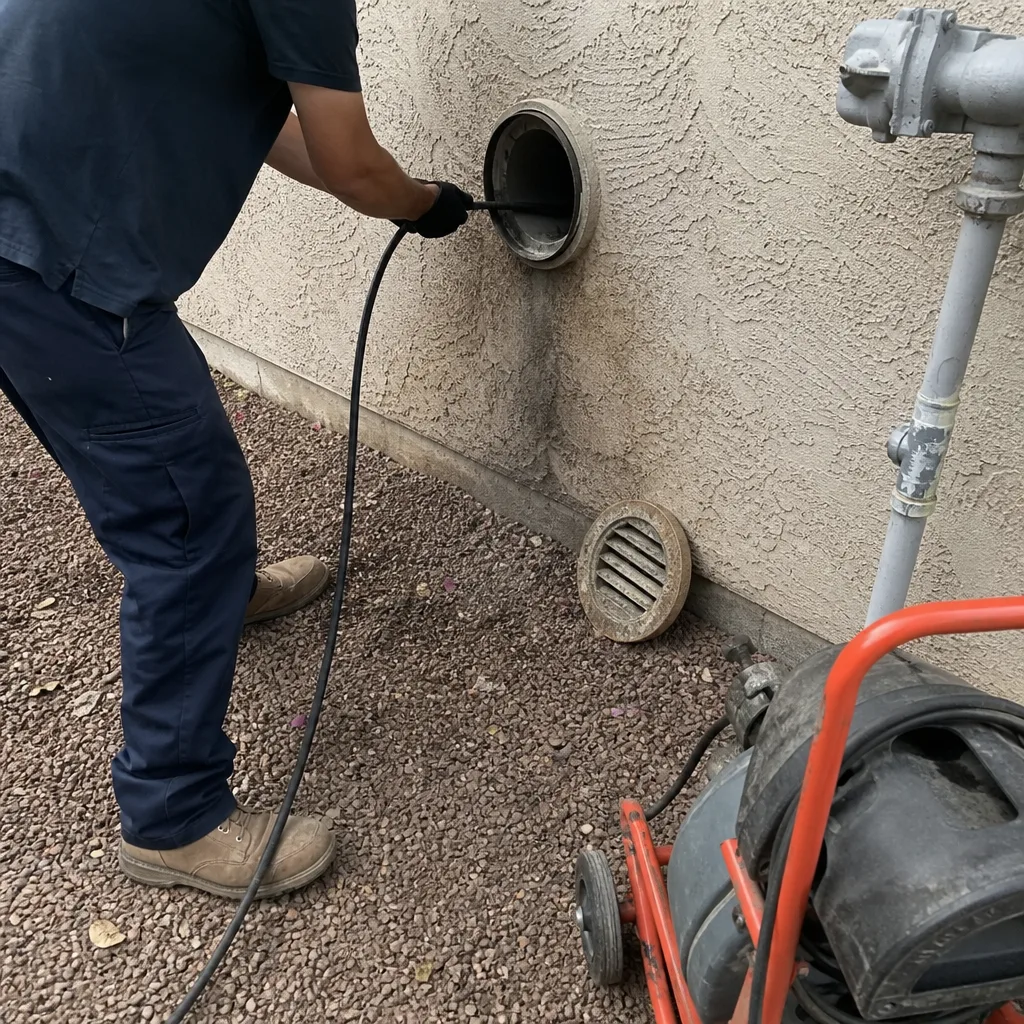 Before
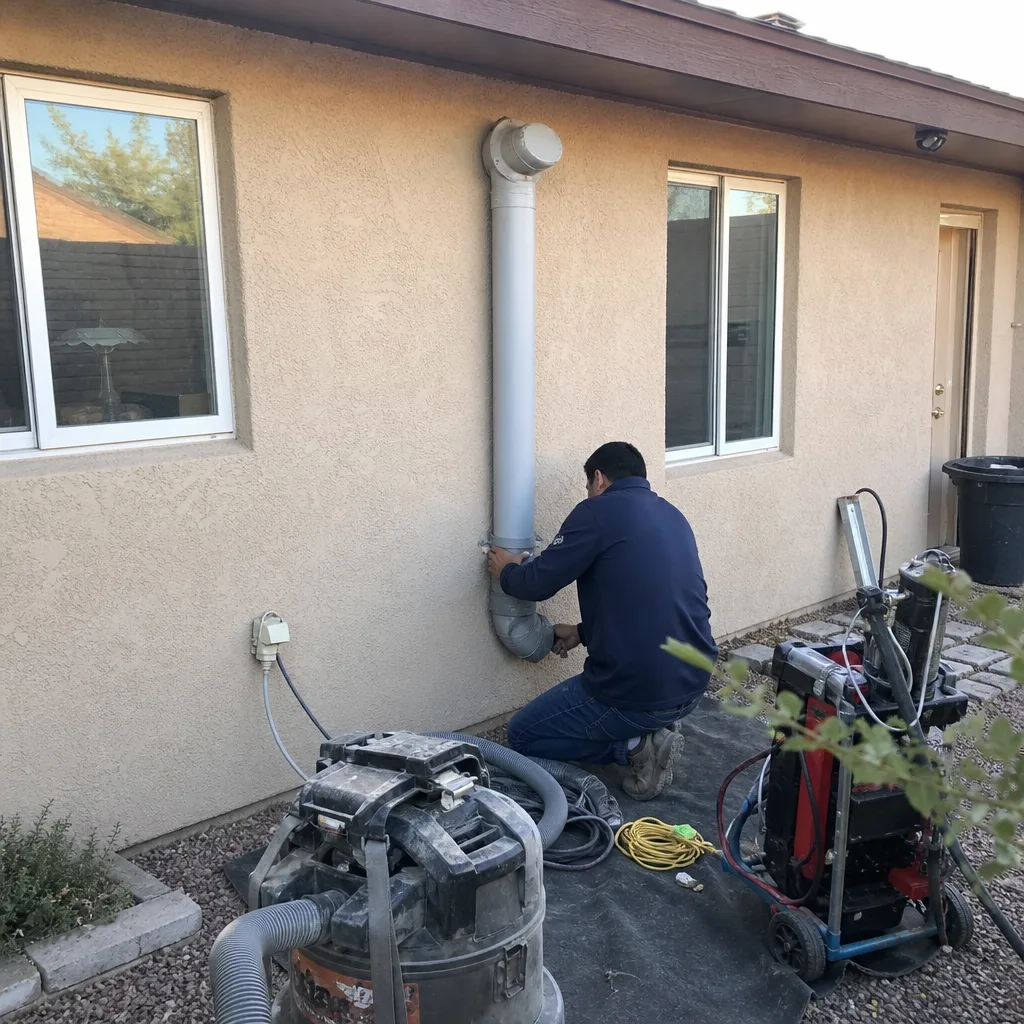 After
After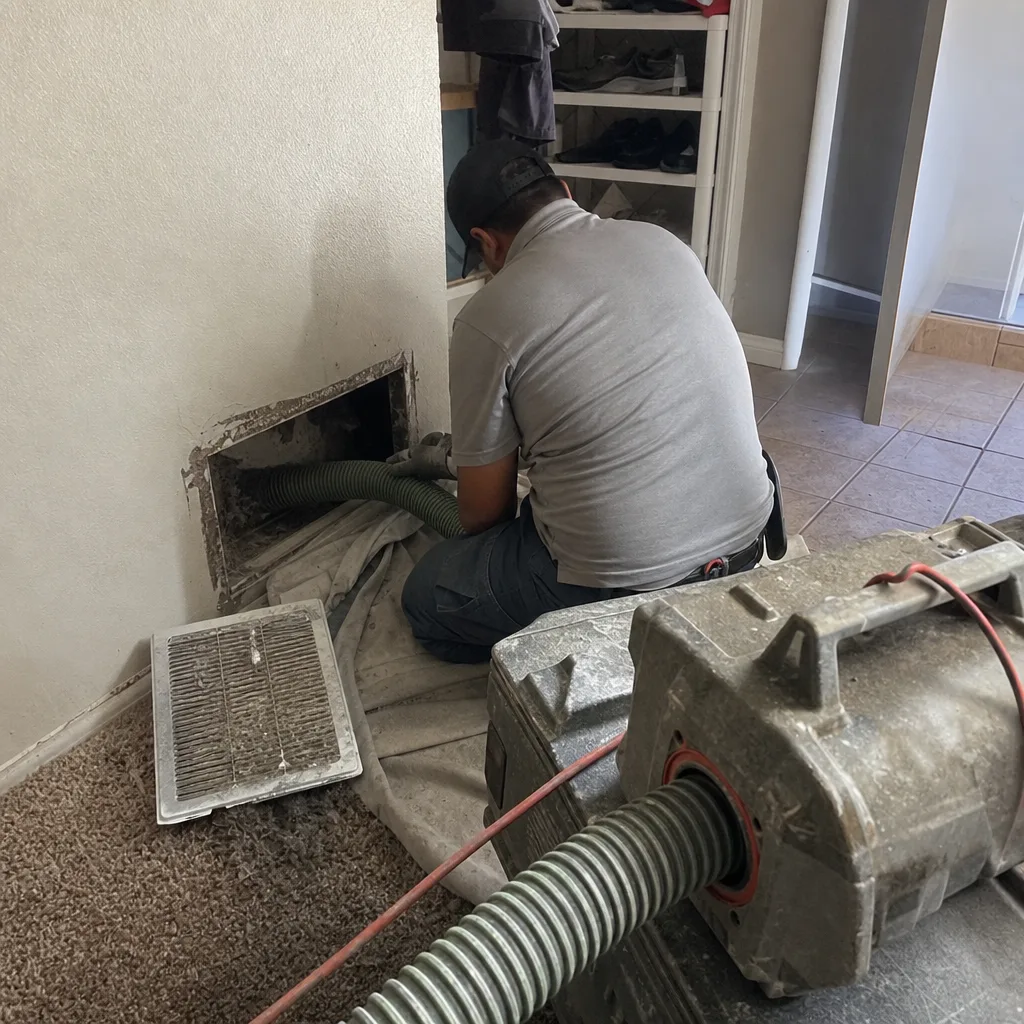 Before
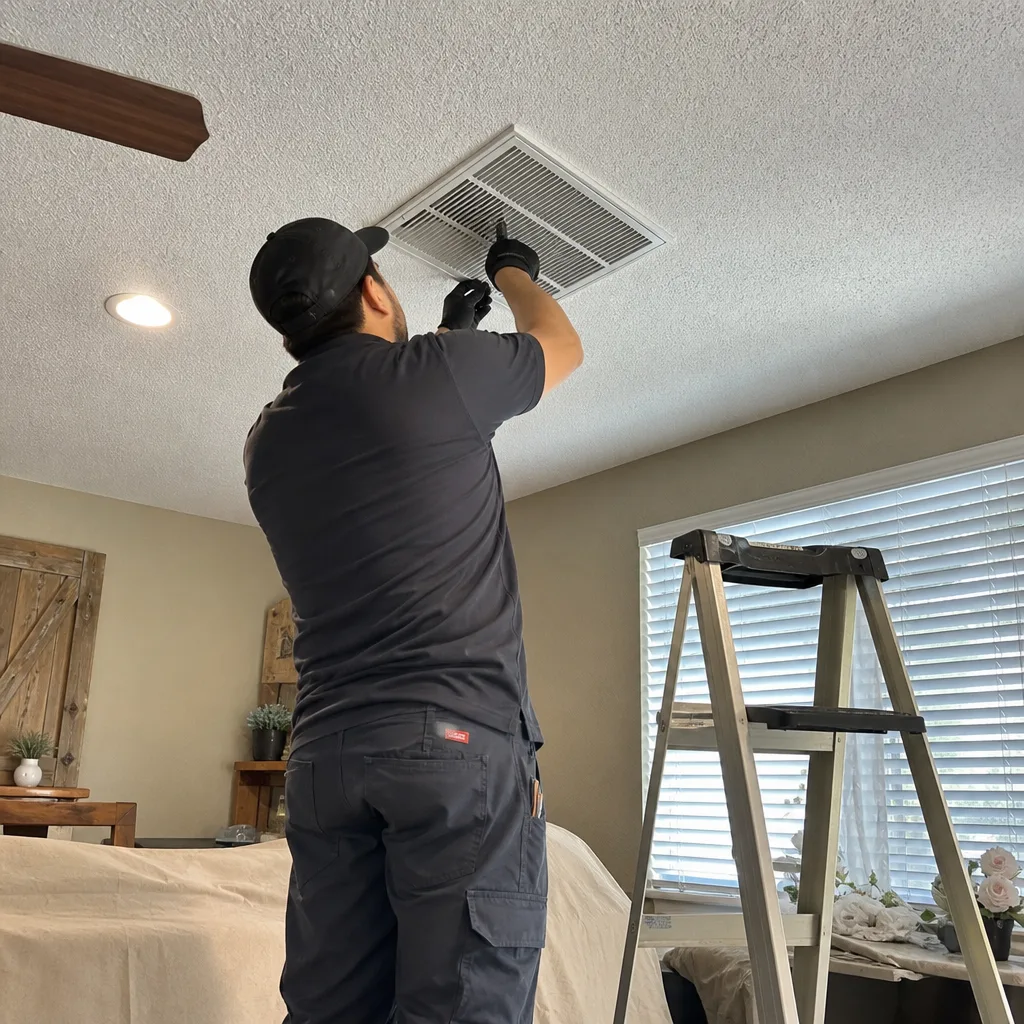 After
After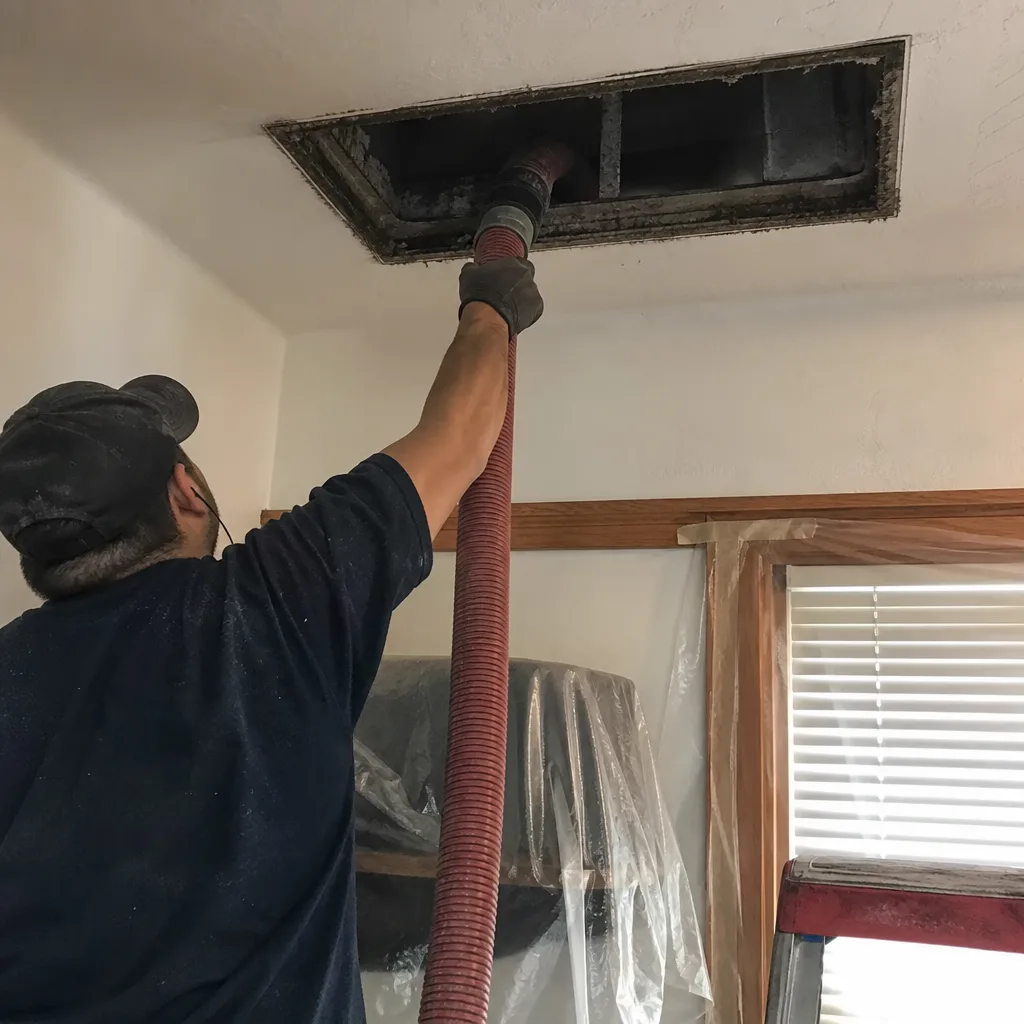 Before
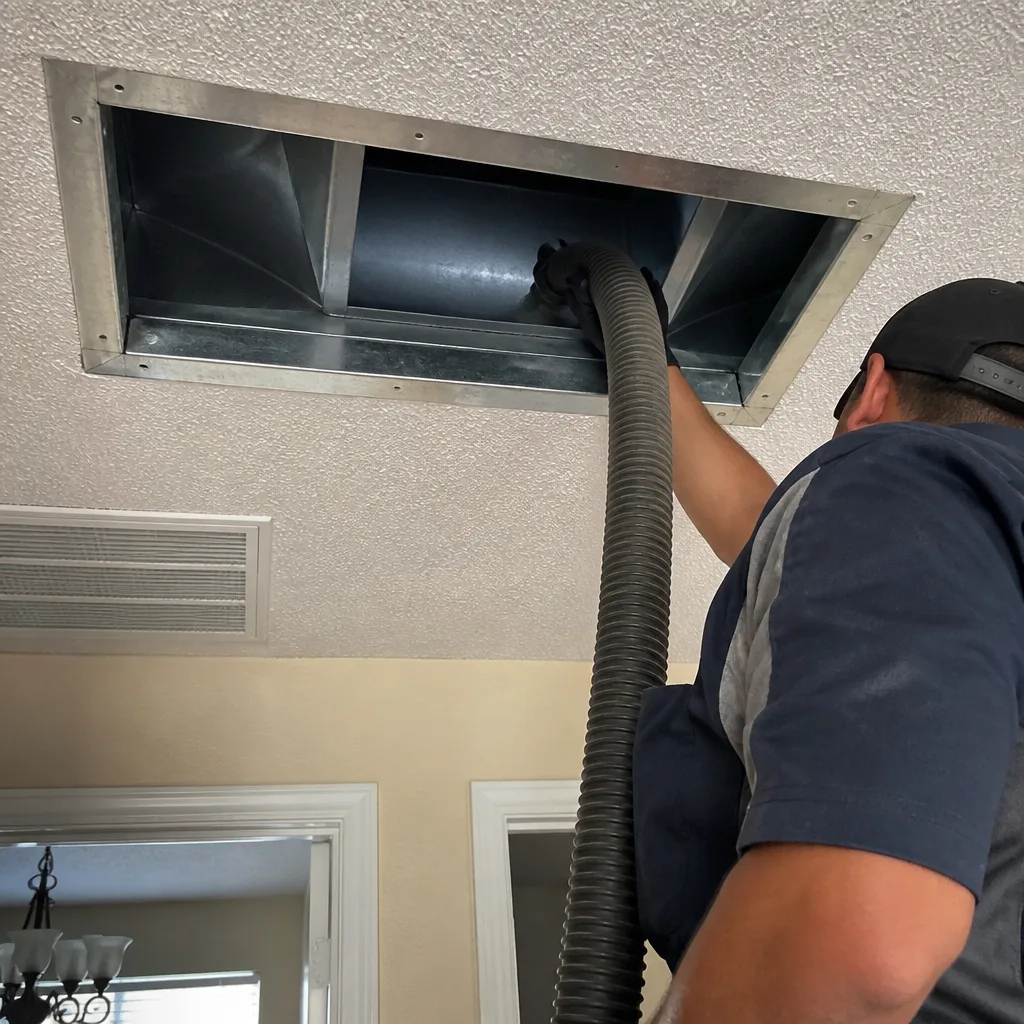 After
AfterHoneywell Dryer Vent Cleaning in Mesa: What to Know First
We provide independent Honeywell dryer vent cleaning in Mesa, AZ, with most jobs completed in a single scheduled visit and a written price delivered before any work begins. As an independent Honeywell service provider, we are not affiliated with or authorized by Honeywell. Our Mesa customers typically pay between $180 and $340 for a standard Honeywell dryer vent cleaning, with rerouting or guard installation running $280 to $520 depending on roof access and duct length. This page is for homeowners in Mesa, Gilbert, and Tempe who own Honeywell venting products and want to know what fails, what it costs, and what documented results look like before calling. For a written estimate with no obligation, call (602) 632-0849.
How Honeywell Products Fail - and How We Fix Them
- HW7500 Series vent caps with cracked flapper seals. The HW7500’s UV-stabilized polypropylene flapper degrades faster than metal alternatives in Mesa’s 115°F summer attic temperatures. We find the seal warped or stuck open, letting in dust, pollen, and the occasional roof rat. Our fix: replace with a metal-bodied cap or the OEM flapper assembly if the homeowner prefers, then photograph the seal contact before and after.
- HW4000 flexible duct kits with sagging at the elbow. Honeywell’s HW4000 kit ships with a 4-inch flexible transition duct that sags behind the dryer when the run exceeds 8 feet. In Mesa’s hard-water areas, lint calcifies on the sag’s low point, reducing airflow by 30% or more. We reroute with rigid aluminum per IRC M1502.4.1, support every 4 feet, and show the airflow reading on our anemometer.
- HWV9000 heat-recovery ventilators with clogged intake screens. The HWV9000’s fine-mesh intake screen catches desert dust during our spring wind storms; when combined with lint backdraft from a poorly sealed dryer connection, the unit overheats and faults out. We clean the screen with negative-pressure extraction (suction that pulls debris out rather than pushing it deeper), reseal the dryer transition with foil tape rated to 200°F, and document the pressure drop across the screen.
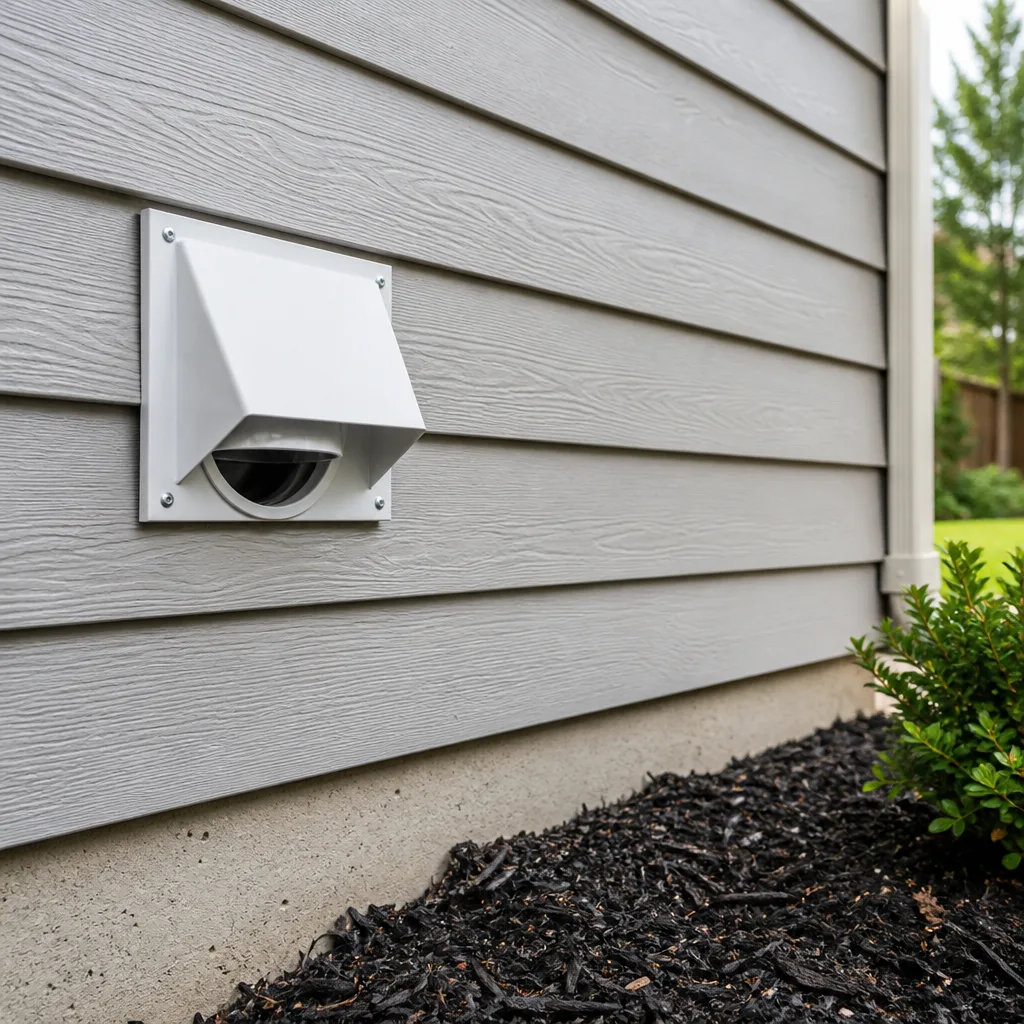
- HW2000 wall-box terminations with bird-nest intrusion. The HW2000’s louvered termination sits flush to stucco, making it attractive to cactus wrens and mourning doves in Mesa’s older neighborhoods like Dobson Ranch. Nests block airflow and create a fire hazard. We remove the obstruction, install a Guardsman bird guard with ¼-inch mesh, and show the camera footage of the nest material versus clear duct.
- HW6000 booster fans with seized bearings from lint infiltration. The HW6000 inline booster, common in Mesa townhomes with runs over 25 feet, pulls lint past a degraded gasket into the motor housing. The bearing seizes, airflow drops to passive levels, and the dryer’s thermal fuse blows. We replace the fan with OEM or a quality aftermarket unit from Abatement Technologies, seal the housing with high-temp silicone, and test static pressure at the termination.
Our Honeywell Dryer Vent Cleaning Process
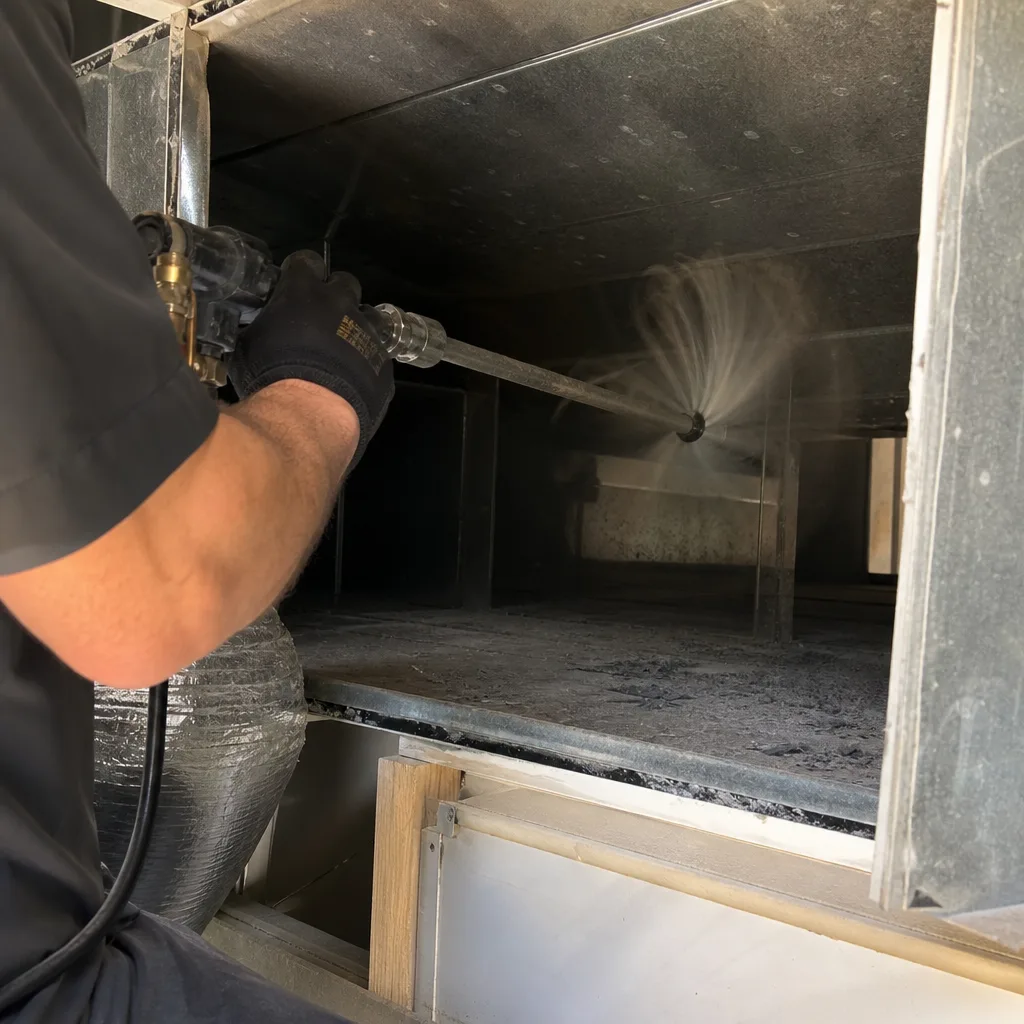
- 1
Written price on arrival. Our technician identifies the Honeywell model series, measures the duct run, and delivers a written price under Haven Standard Clause 1 before touching a tool.
- 2
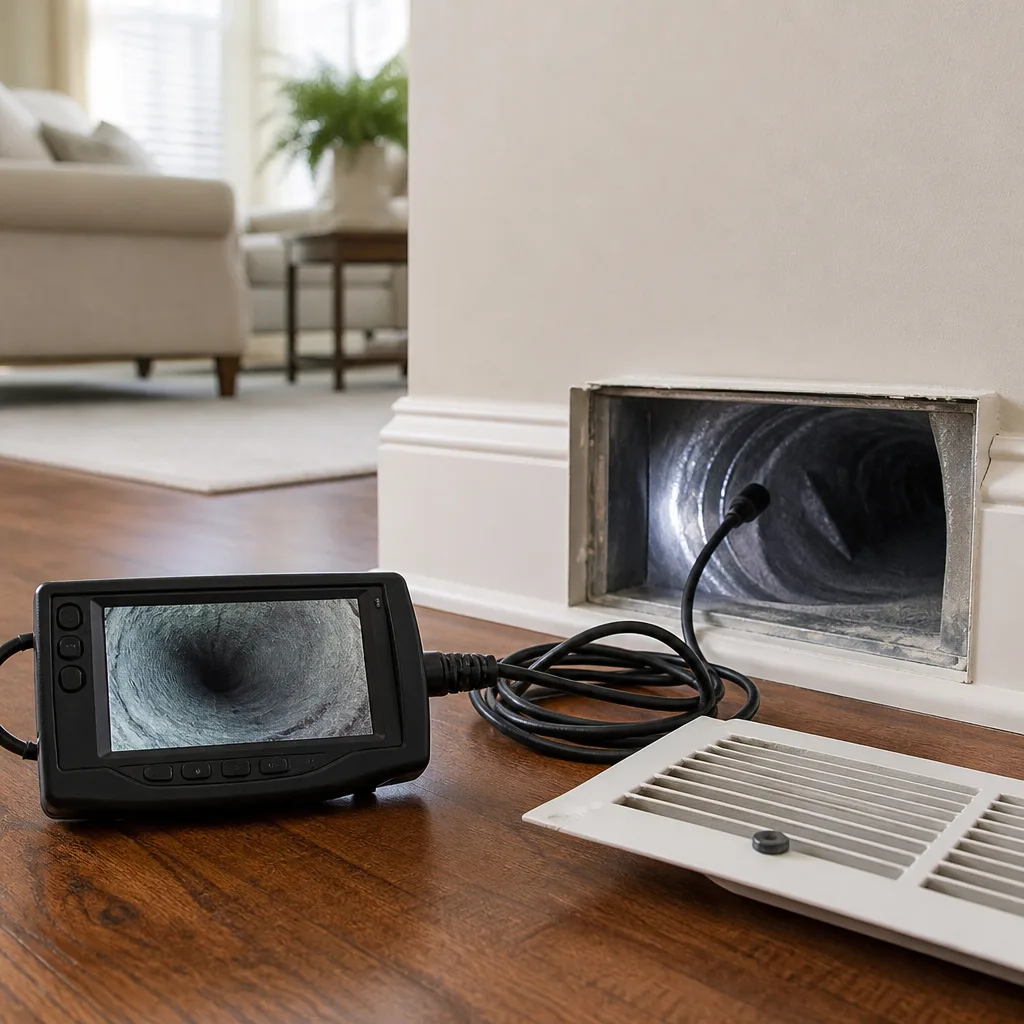
Camera inspection. We feed a borescope through the full length of the duct, recording the debris profile, any damage to Honeywell components, and airflow restrictions. The customer sees this footage before work starts.
- 3
Component decision. We specify OEM Honeywell parts or quality aftermarket equivalents, explain the warranty implications of each, and note the choice on the written scope.
- 4
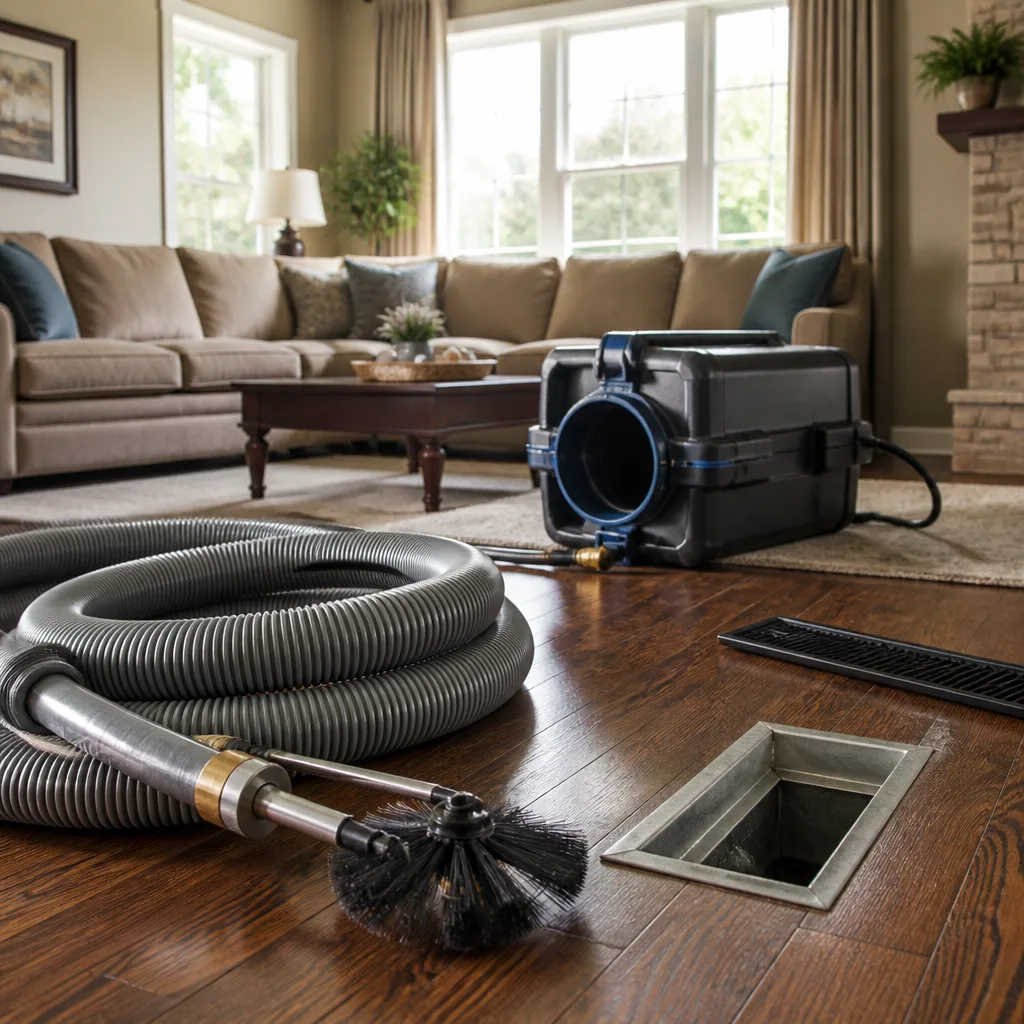
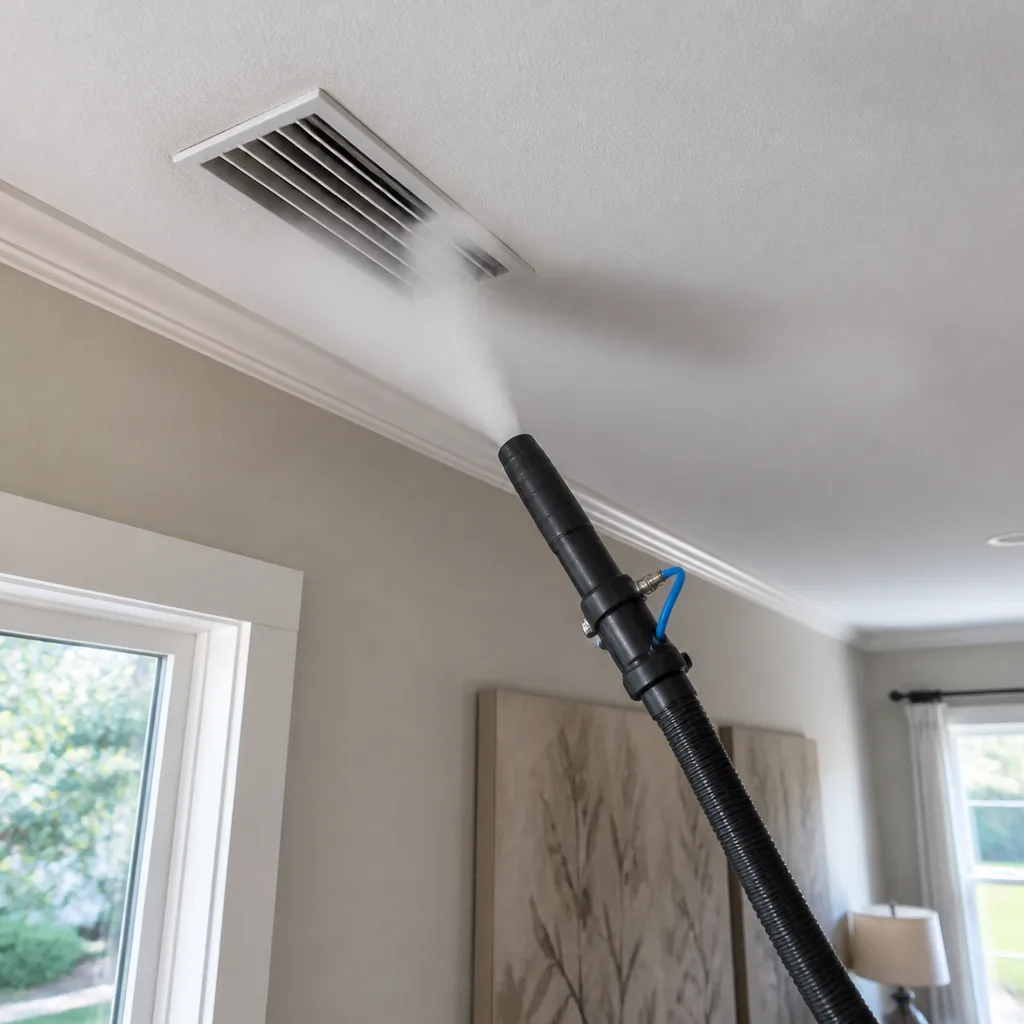
Negative-pressure extraction and mechanical agitation. Using Rotobrush or Nikro equipment, we clean the duct run while maintaining suction at the termination point so loosened debris exits the system rather than settling elsewhere.
- 5
Repair or replacement of failed components. This includes cap replacement, rerouting, bird guard installation, or booster fan swap, performed to manufacturer torque specs and local code.
- 6
Post-work test and photo record. We measure airflow in CFM, verify backdraft damper operation, and deliver before-and-after photos of every duct run as part of the standard job record. Here’s what was in there. Now let’s talk about what comes next.
BeforeAfterWhat Honeywell Dryer Vent Cleaning Costs in Mesa
| Service | Typical Range | What Moves the Price |
|---|---|---|
| Standard Honeywell vent cleaning (single-story, accessible termination) | $180 - $240 | Duct length, number of elbows, debris density |
| Two-story or roof-termination cleaning | $240 - $340 | Ladder work, attic access, additional safety setup |
| Vent rerouting with rigid aluminum replacement | $280 - $420 | Linear feet, wall/floor penetration, permit if required |
| Bird guard or cap replacement | $180 - $280 | Guard type, stucco repair, height of installation |
| HW6000 booster fan replacement | $340 - $520 | OEM vs. aftermarket, electrical connection complexity |
Factors that raise the price: runs over 25 feet, damaged duct requiring section replacement, or Mesa’s older slab homes in the Fiesta District where the vent path runs through concrete block. Factors that don’t: we do not charge per vent or add trip fees. One flat price per system, agreed in writing before work starts. Call (602) 632-0849 for a written estimate at no cost.
Why Mesa Homeowners Call CleanRun Air Duct Cleaning Mesa for Honeywell Work
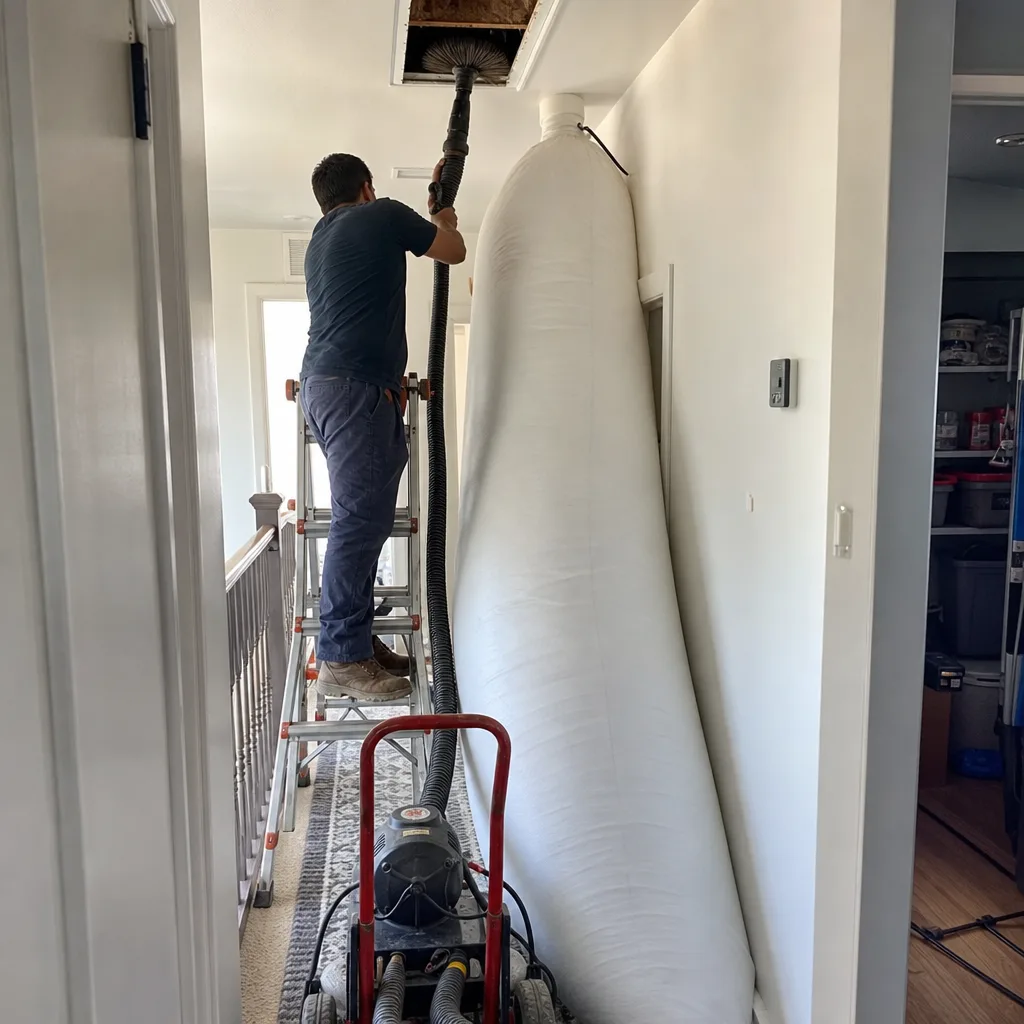
Tomas Reyes and our crew have handled Honeywell venting products across Mesa since 2013, including the HWV9000 units common in the Eastmark buildouts and the HW7500 caps that fail by the dozen each summer in Sunland Village. We also service Lennox, Trane, and Carrier venting systems, so multi-brand households get consistent documentation standards across every job. Every technician is background-checked and uniformed under Haven Standard Clause 3: Verified Crews. Every job carries the 365-Day Done Right Promise in writing. And every customer receives a Documented Photo Record of every duct run, a practice we’ve held since our first job in 2013. No manager approval required, no exceptions.
FAQs
No. Routine maintenance including vent cleaning does not void Honeywell’s product warranty, provided the work does not damage components. We document our methods and use manufacturer-specified parts when replacement is needed, so your warranty record stays clean. For questions about a specific HW series, call (602) 632-0849 and we’ll check the service bulletin.
For caps and guards, quality aftermarket often outperforms OEM in Mesa’s climate. Metal-bodied replacements from Guardsman or Aprilaire withstand attic heat better than Honeywell’s polypropylene HW7500 flapper. For booster fans, we typically recommend OEM to preserve the factory warranty on the motor. We explain the trade-off on the written scope before you decide.
Our Documented Photo Record shows the inside of every duct run before and after. In Mesa’s clay-heavy dust environment, the camera usually reveals a gray-brown coating on the duct walls that disappears after agitation and negative-pressure extraction. You see the difference; you don’t take our word for it.
Every 12 to 18 months for standard residential use; every 6 to 12 months if you run multiple loads daily, have pets, or live near open desert where fine dust loads are higher. The HW4000 flexible kits need more frequent inspection due to their sag tendency. We’ll note your specific setup and recommend an interval on the job record.
We don’t match coupons; we provide a Free Second Opinion on any written estimate. Bring us a competitor’s quote with scope details, and we’ll put our written price next to it with line-item transparency under Haven Standard Clause 1. Most Mesa homeowners find our documentation and guarantee justify the difference. Call (602) 632-0849 to schedule.
Ready for a written estimate on your Honeywell dryer vent cleaning? Call (602) 632-0849 to speak with a live person, 24/7. We’ll schedule a visit, deliver a written price before any work begins, and leave you with a Documented Photo Record of every duct run we touched.
Written by Tomas Reyes, Owner, CleanRun Air Duct Cleaning Mesa at CleanRun Air Duct Cleaning Mesa, serving Mesa and nearby areas.