
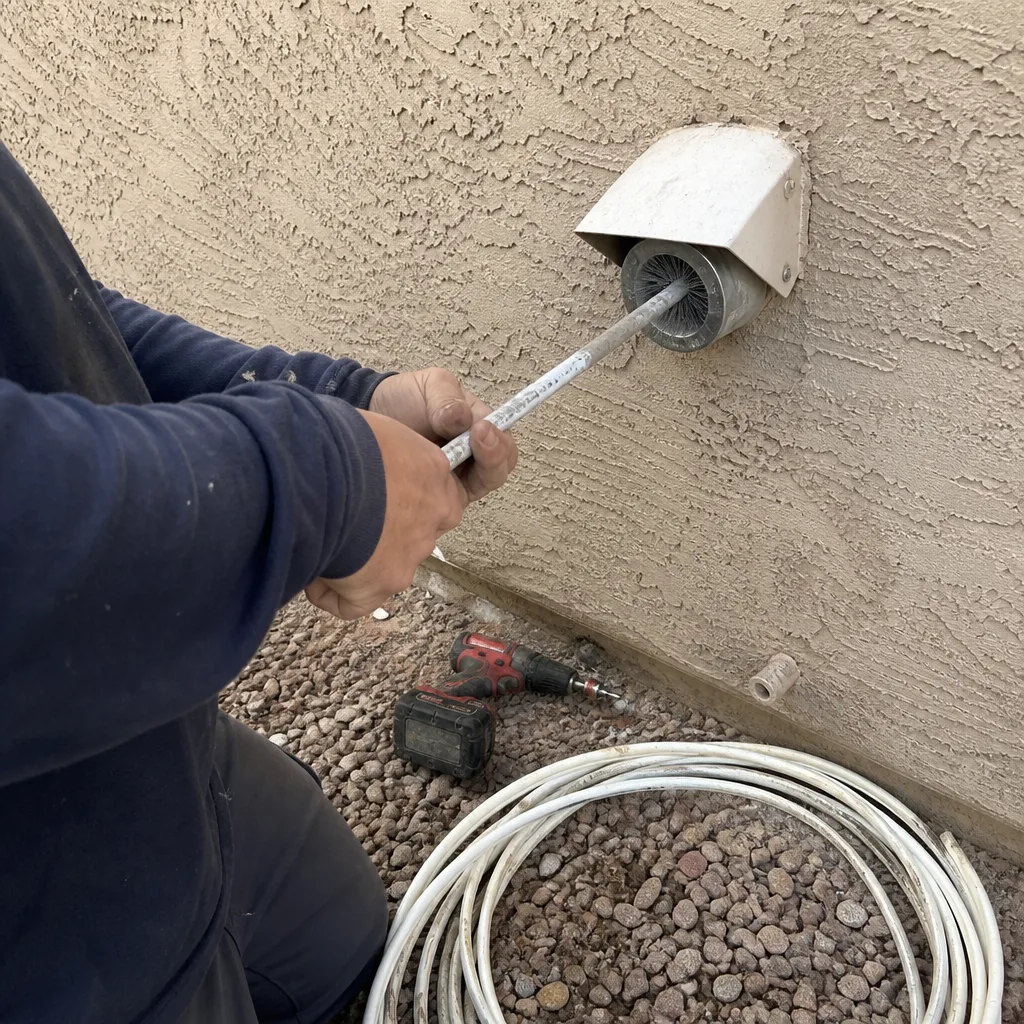
Whole-system duct and dryer vent check with before-and-after photos - you see exactly what came out of your vents
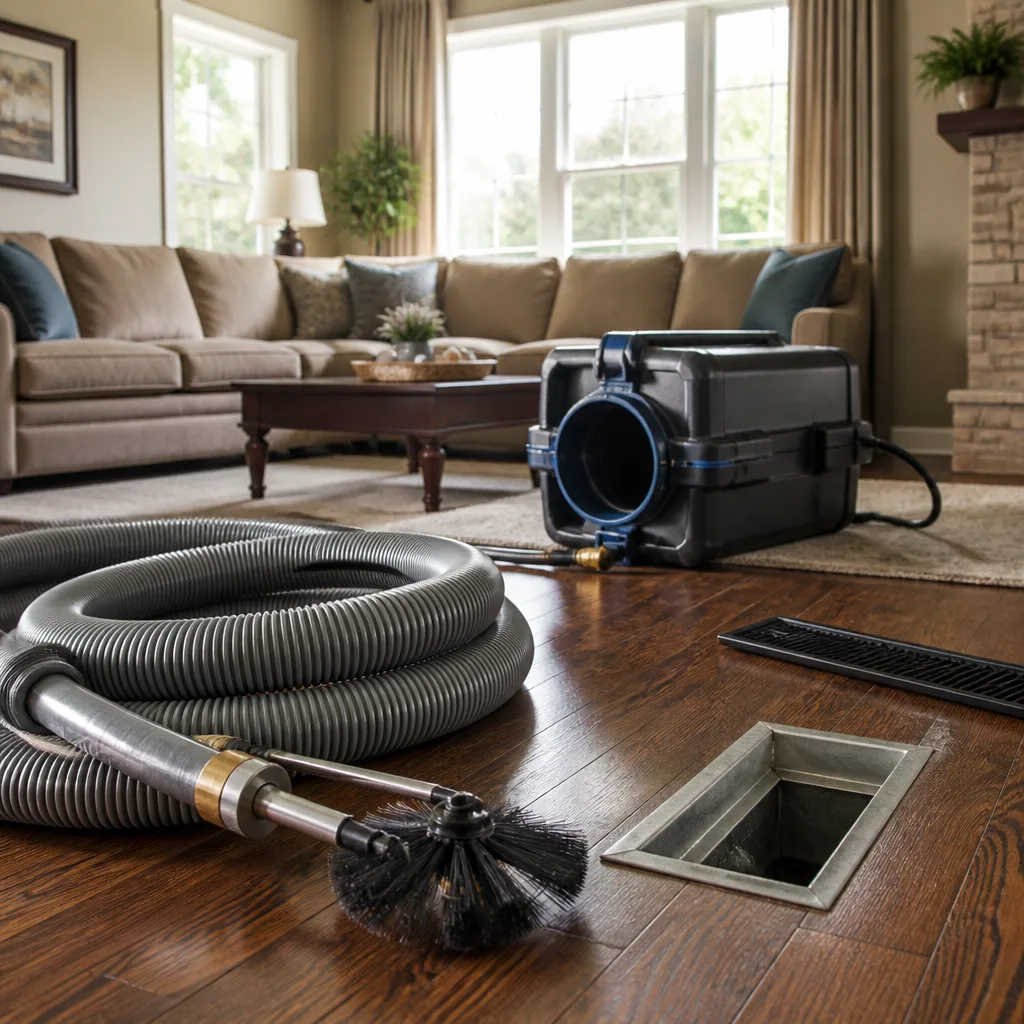
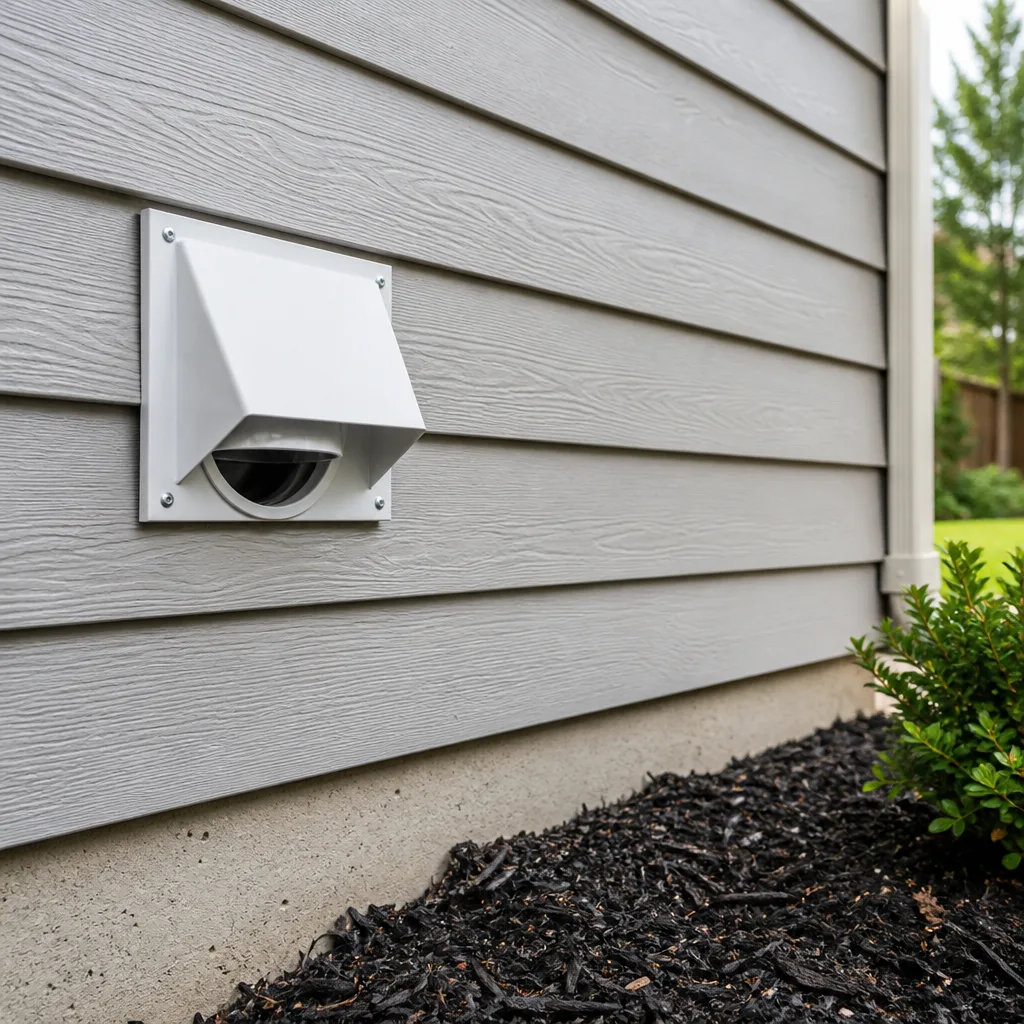
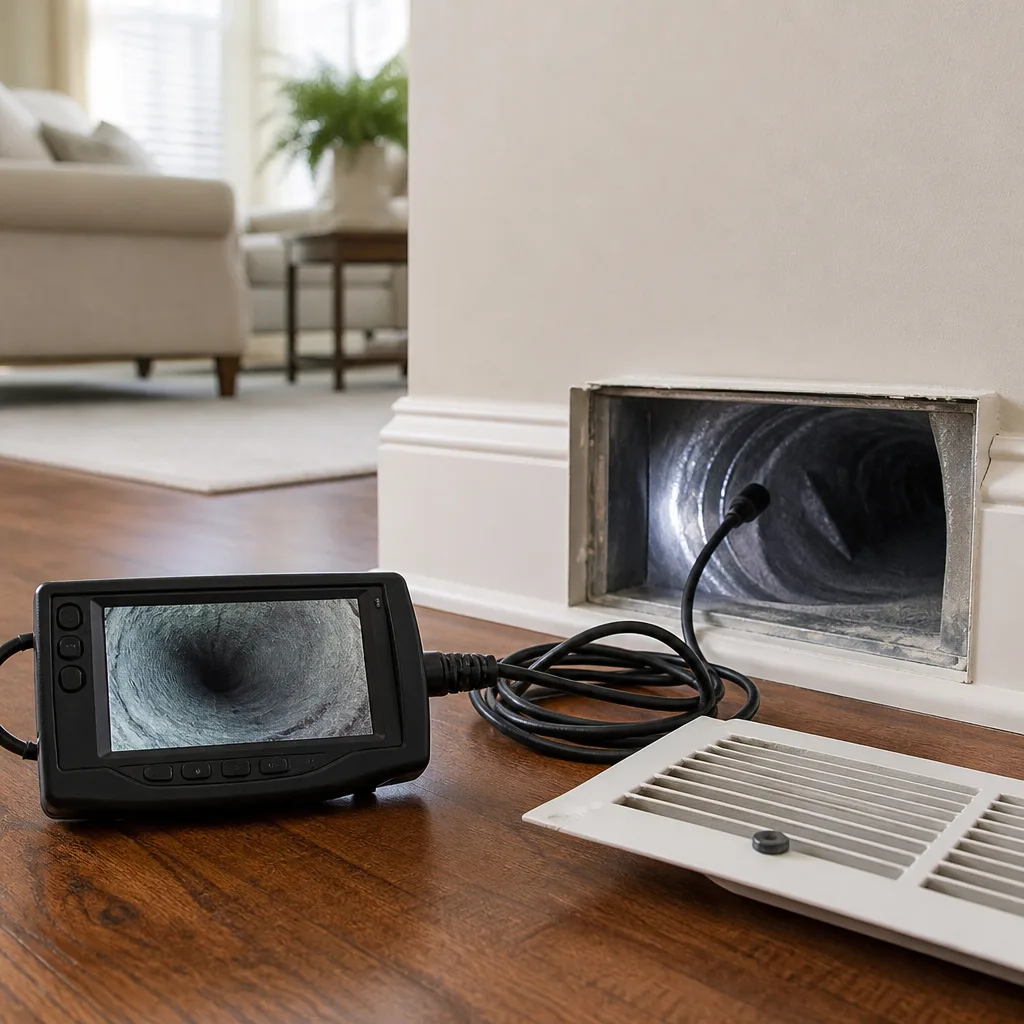
That "$99 whole-house special" is a bait ad - the real number appears once they are in your hallway, or the "clean" is a shop-vac at the register. We photograph the inside of your ducts before and after instead.
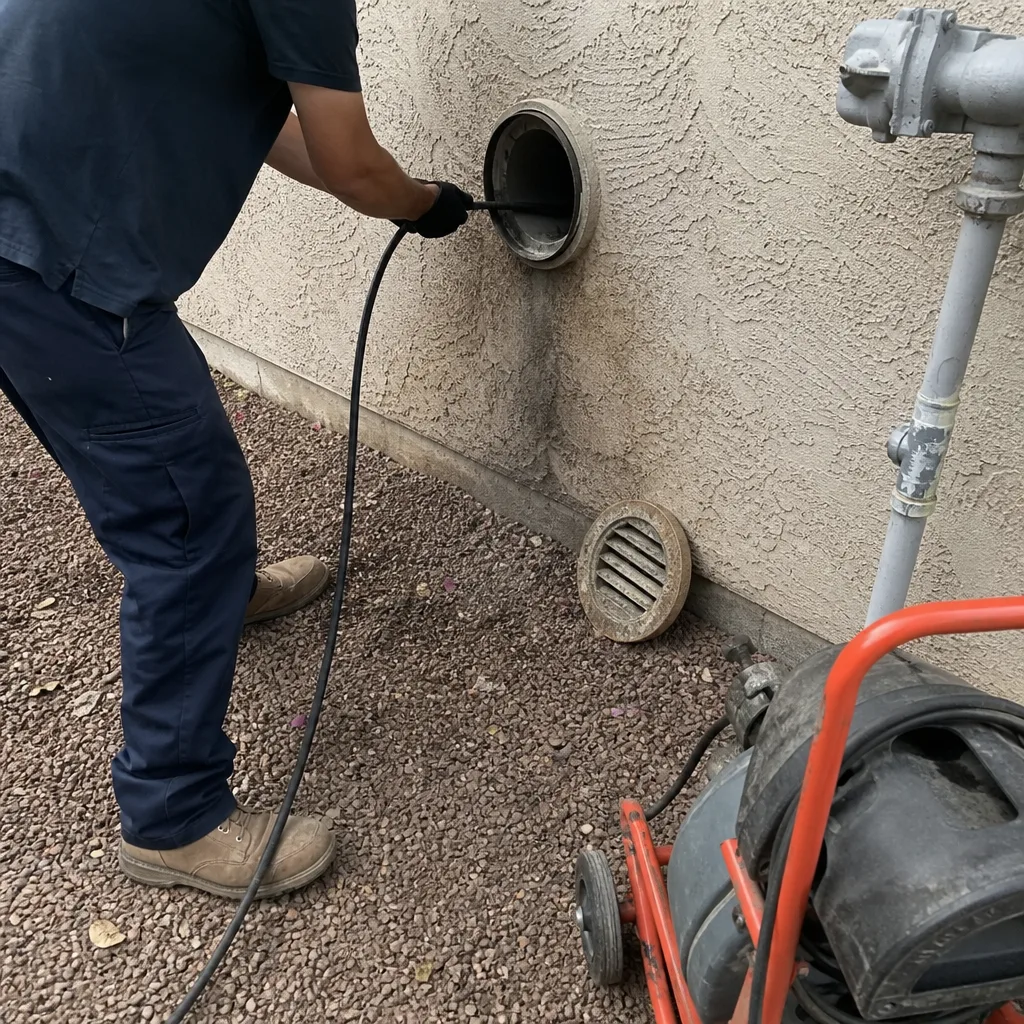 Before
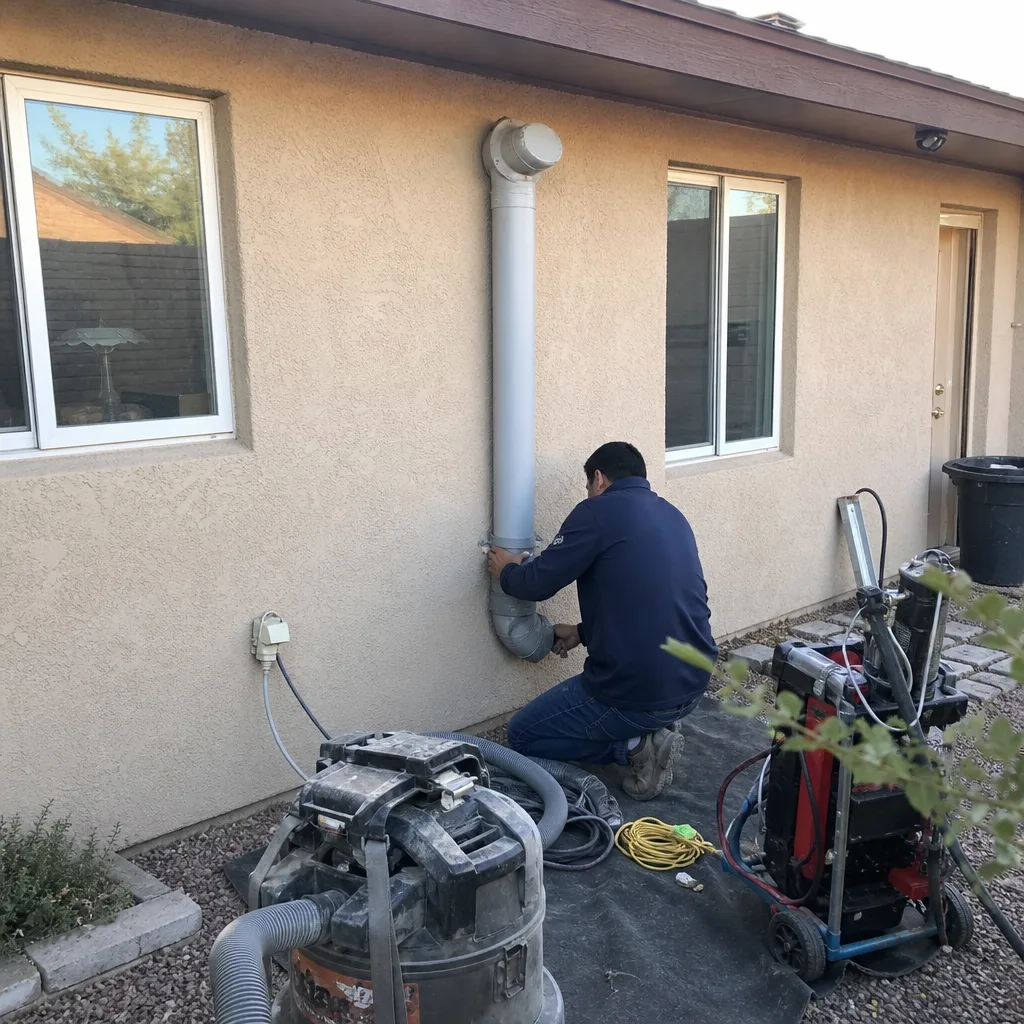 After
After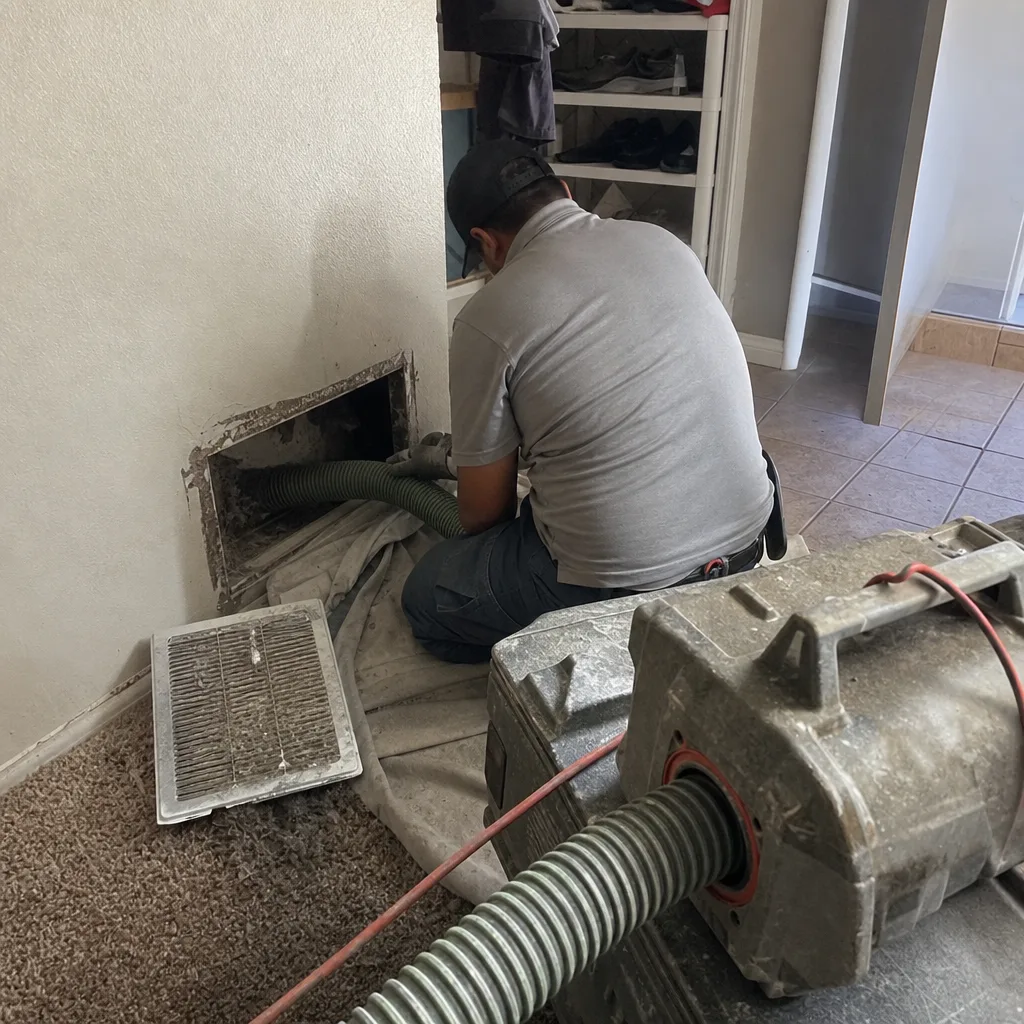 Before
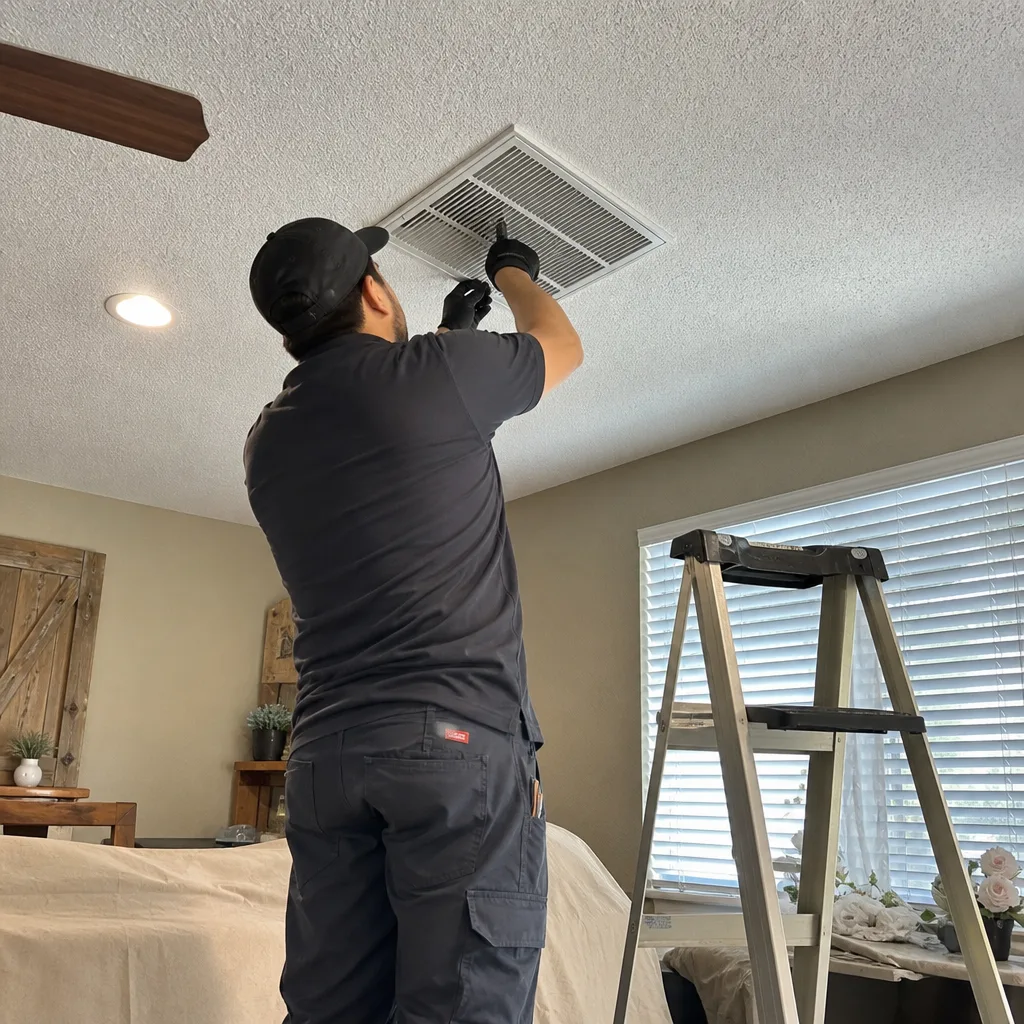 After
After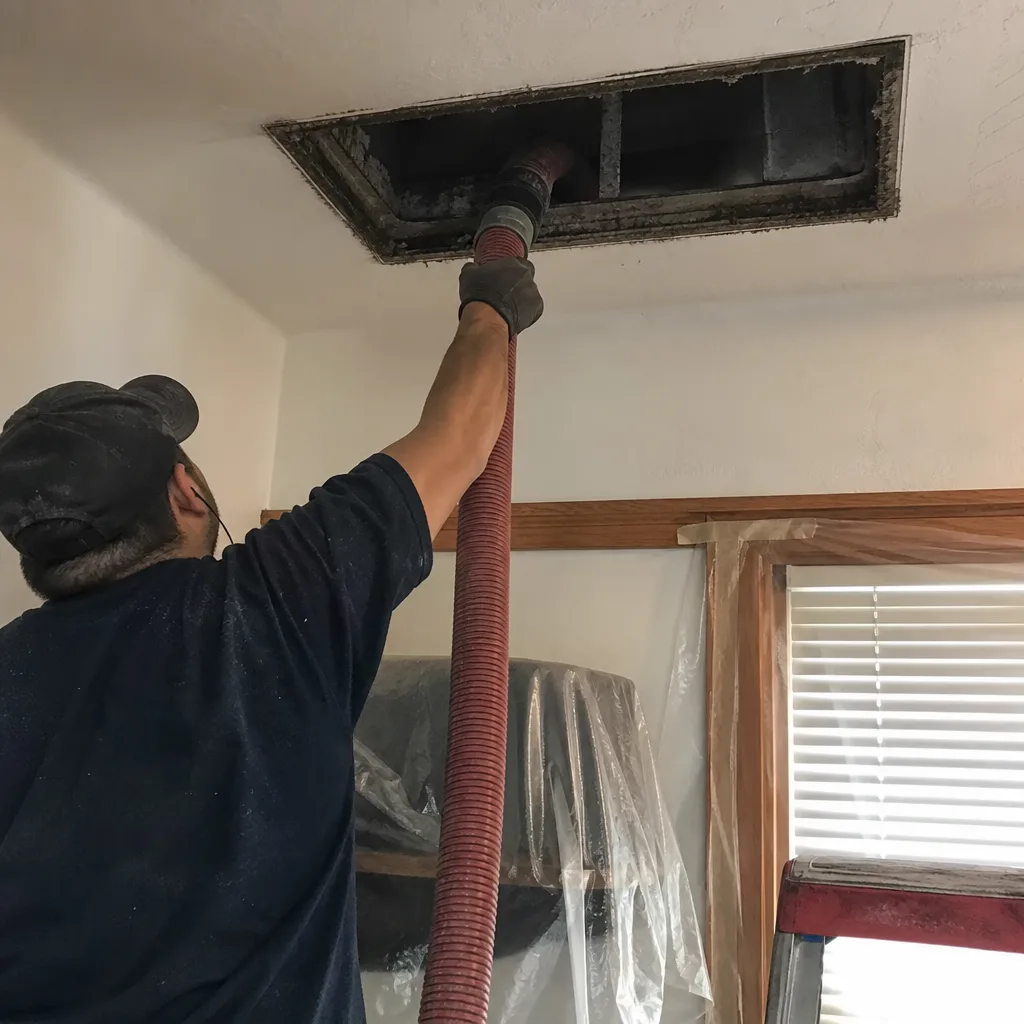 Before
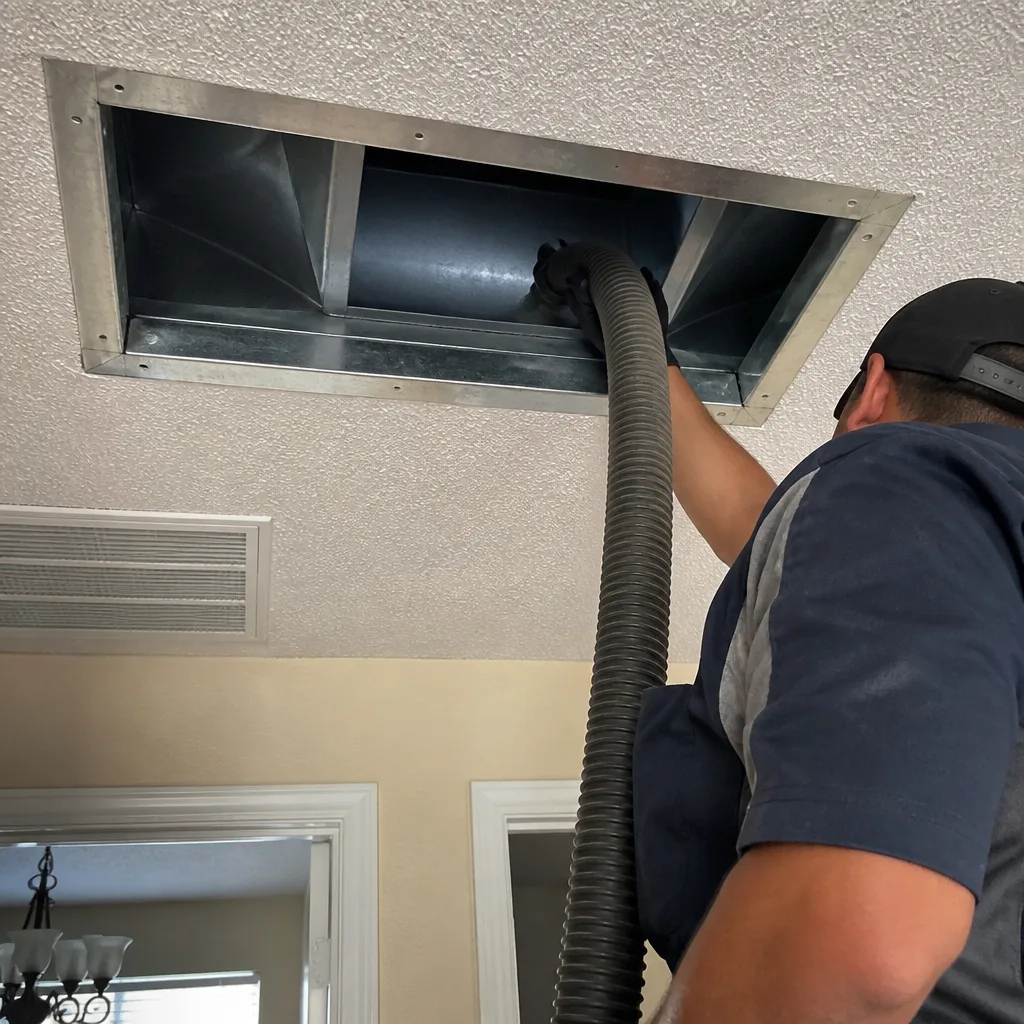 After
AfterHoneywell Vent Sanitizing: The Mesa Owner’s Guide
Honeywell vent sanitizing in Mesa typically runs $280-$480 for a complete system treatment, including pre-treatment inspection, application, and post-treatment verification. We stock Honeywell-compatible sanitizing solutions and application equipment for same-day scheduling on most residential systems. Most Mesa homeowners discover their vent sanitizing needs attention after a persistent musty smell returns within weeks of a standard duct cleaning, or when someone in the home with allergies notices symptoms flaring every time the AC cycles on.
Which Honeywell Models This Applies To
Honeywell’s vent sanitizing ecosystem breaks into three main series that Mesa homeowners encounter: the UV100 series whole-house ultraviolet systems, the DR90/DR120 ventilating dehumidifier lines with integrated sanitizing ports, and the standalone HEPA-compatible media cabinets (F100, F200, F300) that accept aftermarket sanitizing attachments. The critical compatibility gotcha is the port thread pitch: UV100 units manufactured before 2019 use 1.5-inch NPT fittings, while post-2019 production shifted to 2-inch quick-connect collars. We carry adapters for both, but matching wrong-to-wrong means a return trip.
To identify your series, check the service label inside the main access panel. The model prefix tells the story: UV = ultraviolet, DR = dehumidifier, F = media filter cabinet. For the OEM-versus-aftermarket question on Honeywell specifically, we stock both. OEM Honeywell sanitizer cartridges (HON-SAN series) carry a 12-month efficacy rating and fit without modification. Our aftermarket equivalent from Guardsman matches the same 99.97% microbial reduction spec at roughly 30% lower parts cost, with identical warranty terms. We stock both on every truck so the choice is yours after we show you the label.
Signs Your Honeywell Vent Sanitizing Is Failing
- Musty odor returns within 2-4 weeks of duct cleaning. This usually means the sanitizer cartridge has reached end-of-life or the UV bulb output has dropped below the 40 microwatt threshold needed for effective microbial kill. In Mesa, hard water scale on UV quartz sleeves accelerates this by 20-30% compared to softer-water markets.
- Allergy symptoms spike when AC first kicks on. The sanitizer isn’t reaching the supply plenum (the main distribution box above your furnace) in sufficient concentration. We find this most often in homes near the Salt River bed where dust loading is higher and the sanitizer gets consumed faster than rated.
- Visible microbial growth on register grilles. If you’re wiping black or green film off vents quarterly, the sanitizer either isn’t flowing or isn’t contacting the full duct run. This is common in Fiesta District homes with 1980s-era flex duct that has internal sagging.
- UV indicator light is out or flickering. Honeywell UV100 units have a small viewport LED that should glow steady blue during operation. Flickering indicates ballast degradation; no light means bulb failure or power interruption to the unit.
- Dehumidifier drain pan shows biofilm despite regular emptying. On DR series units, this points to sanitizer breakdown in the integrated port, allowing microbial colonization downstream of the treatment point.
BeforeAfterReplacement Cost & What’s Included
For Mesa homes, Honeywell vent sanitizing runs $280-$480 installed. The spread depends on three factors: system accessibility (attic-mounted units in summer add time), whether we’re retrofitting a sanitizer port where none exists versus swapping an existing cartridge, and OEM versus aftermarket parts selection.
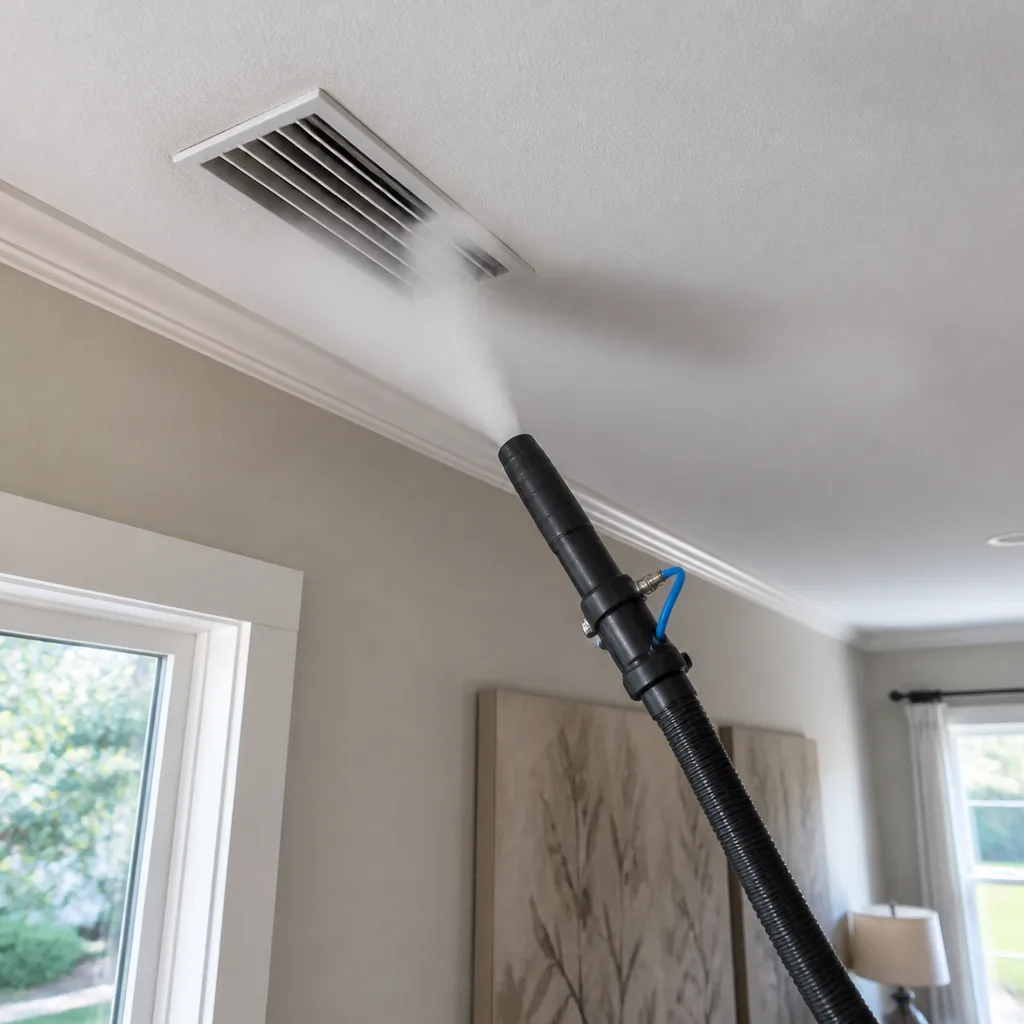
Every job includes: full-system negative-pressure extraction (we pull debris from the duct run using suction before introducing sanitizer, so we’re not coating dust), application of the sanitizing agent to all supply and return runs, UV sleeve cleaning or replacement if applicable, and post-treatment photo documentation of each register. Haven Standard Clause 1 applies: written price before any work starts, no exceptions. The 365-Day Done Right Promise covers the installation and parts. Equipment on your job will include Honeywell OEM or Guardsman aftermarket components, plus our Rotobrush or Nikro negative-pressure systems as needed.
DIY or Call Us?
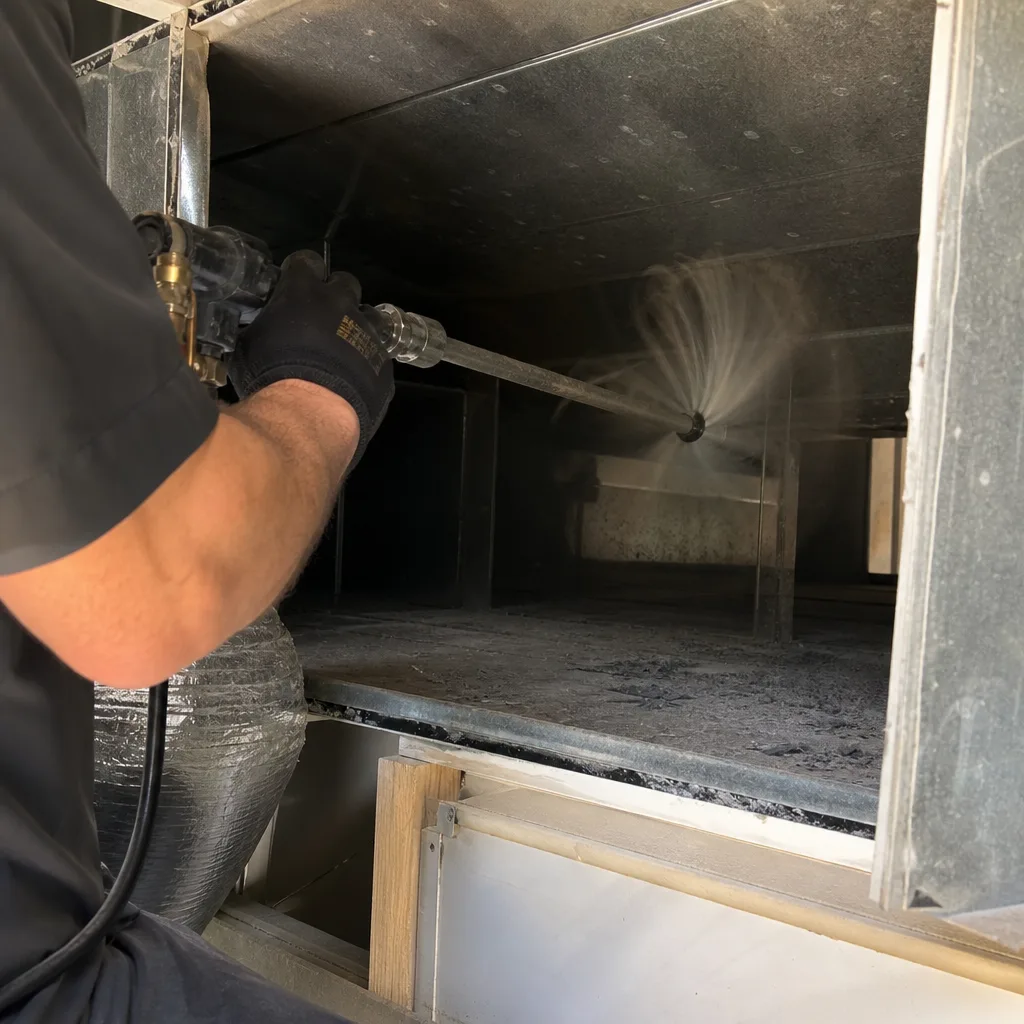
Here’s the honest split. A homeowner can safely check the UV viewport light, read the model label, and verify the sanitizer cartridge date stamp (they’re printed with a 12-month service life). What goes wrong past that: UV bulbs operate at 800-1,200 volts and retain lethal charge even when unplugged. The quartz sleeve removal requires a specific torque or it cracks, and mis-threaded sanitizer ports leak chemical concentrate into the plenum. We’ve documented three Mesa jobs this year where DIY sanitizer installation resulted in concentrated solution pooling in the ductwork, corroding galvanized connections.
If your Honeywell unit is in the attic, on a platform, or requires panel removal beyond the access door, that’s our call. Tomas Reyes and our crew carry the right voltage probes, thread sealants, and sleeve tools. Call (602) 632-0849 and we’ll put a written number next to your model number.
FAQs
In Mesa’s climate, expect 10-12 months for UV bulb efficacy and 12-14 months for chemical cartridges. Hard water scale and summer dust loading shorten the UV effective life compared to manufacturer ratings based on Midwest conditions. Call (602) 632-0849 to check your date stamp against our schedule.
UV ballasts can sometimes be rebuilt, but the parts cost approaches replacement and rebuilt units carry no warranty. Chemical cartridges are sealed units; once exhausted, they’re done. We don’t recommend repair on either component. Call (602) 632-0849 for a replacement quote with both OEM and aftermarket options written out.
Most Honeywell sanitizer replacements take 90-120 minutes including pre-treatment extraction and post-treatment photo documentation. Retrofit installations (adding a sanitizer port to a system without one) run 3-4 hours. We stock both OEM Honeywell and Guardsman aftermarket cartridges on every truck.
Yes. We carry OEM Honeywell sanitizer cartridges, UV bulbs, quartz sleeves, and ballasts, plus Guardsman aftermarket equivalents, on every service vehicle. If your model is the pre-2019 UV100 with 1.5-inch NPT fittings, we have the adapter in stock too. Call (602) 632-0849 with your model prefix and we’ll confirm match before we roll.
CleanRun Duct Repair & Cleaning is an independent service provider, not affiliated with Honeywell. We also stock parts for Lennox, Trane, and Carrier systems.
Here’s what was in there. Now let’s talk about what comes next. If your Honeywell vent sanitizing is due for service, or you’re seeing the symptoms above, call (602) 632-0849. We’ll answer with a live person, verify your model, and put a written price in front of you before any work starts. Every job includes our Documented Photo Record and the 365-Day Done Right Promise, backed under the H.A.V.E.N. Standard.
Written by Tomas Reyes, Owner, CleanRun Air Duct Cleaning Mesa at CleanRun Air Duct Cleaning Mesa, serving Mesa and nearby areas.