
Last updated September 23, 2026
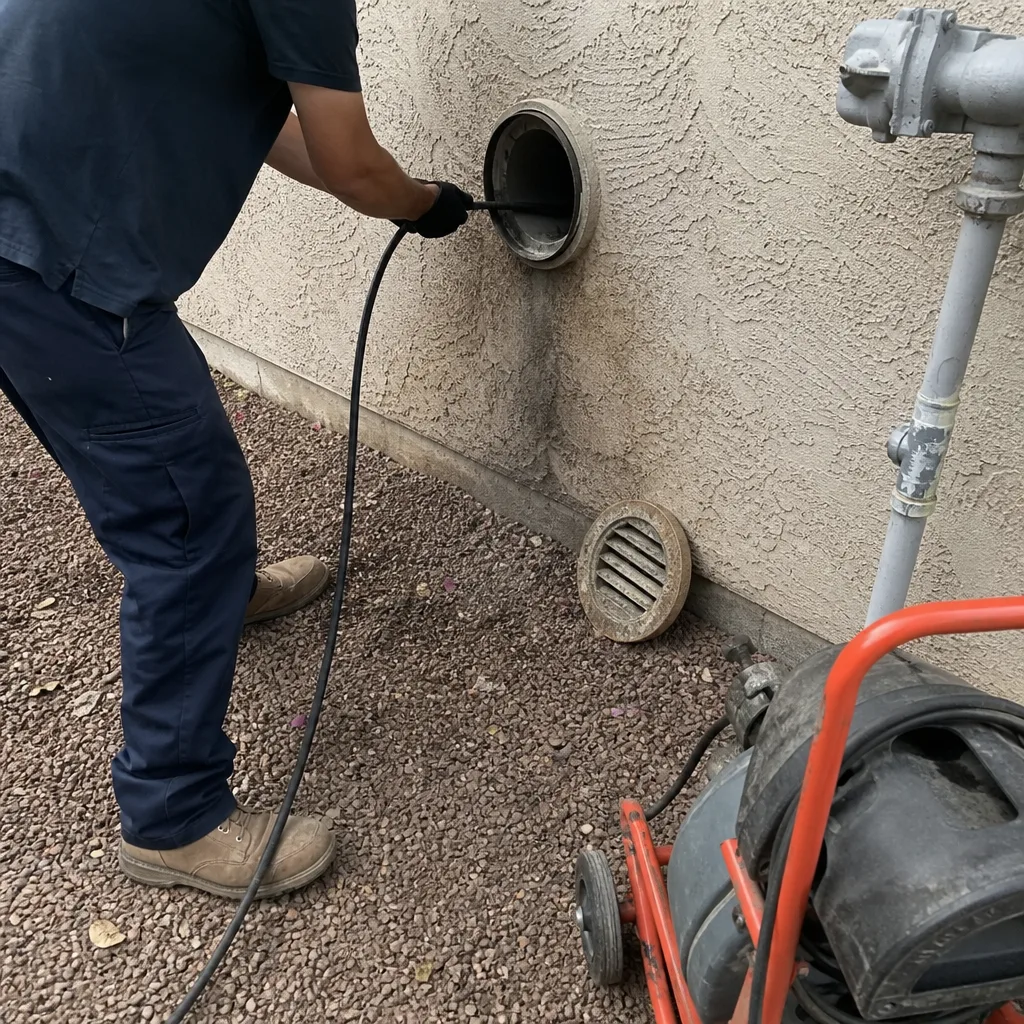
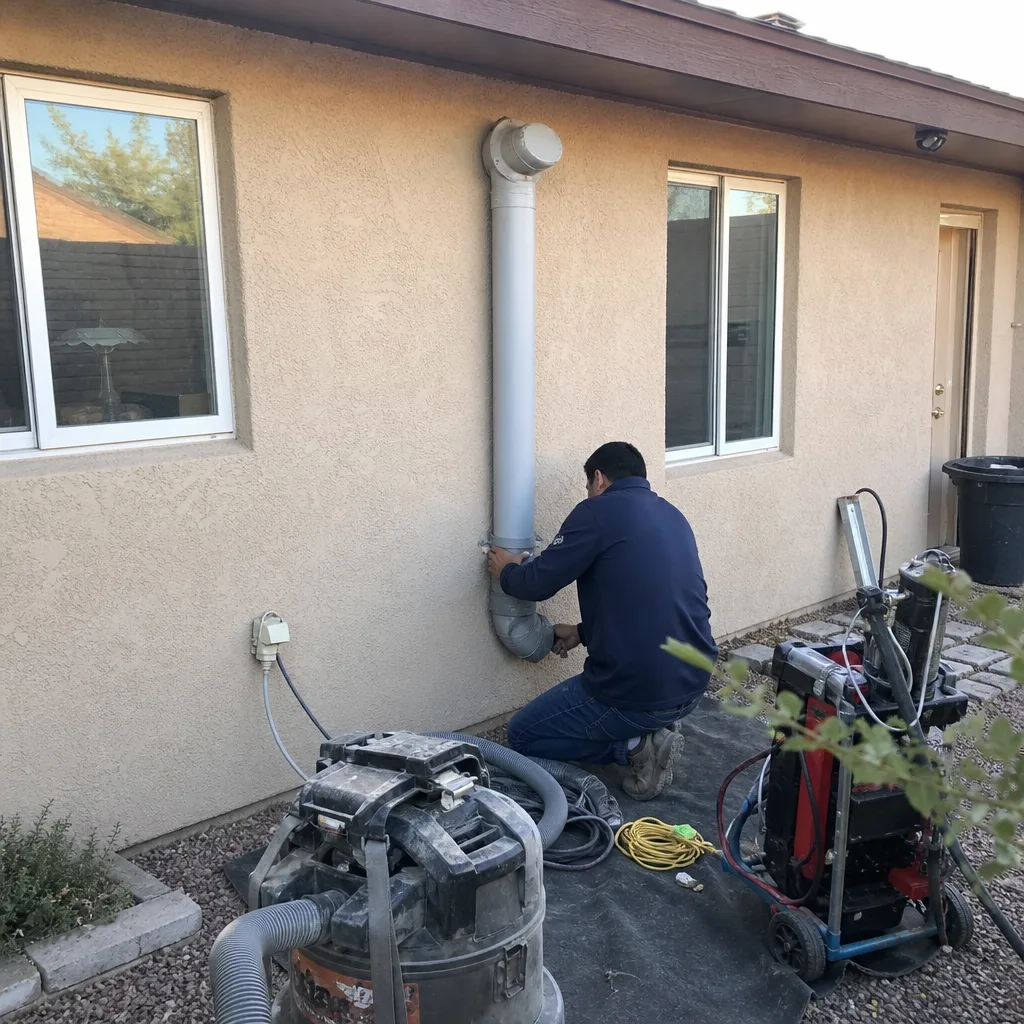
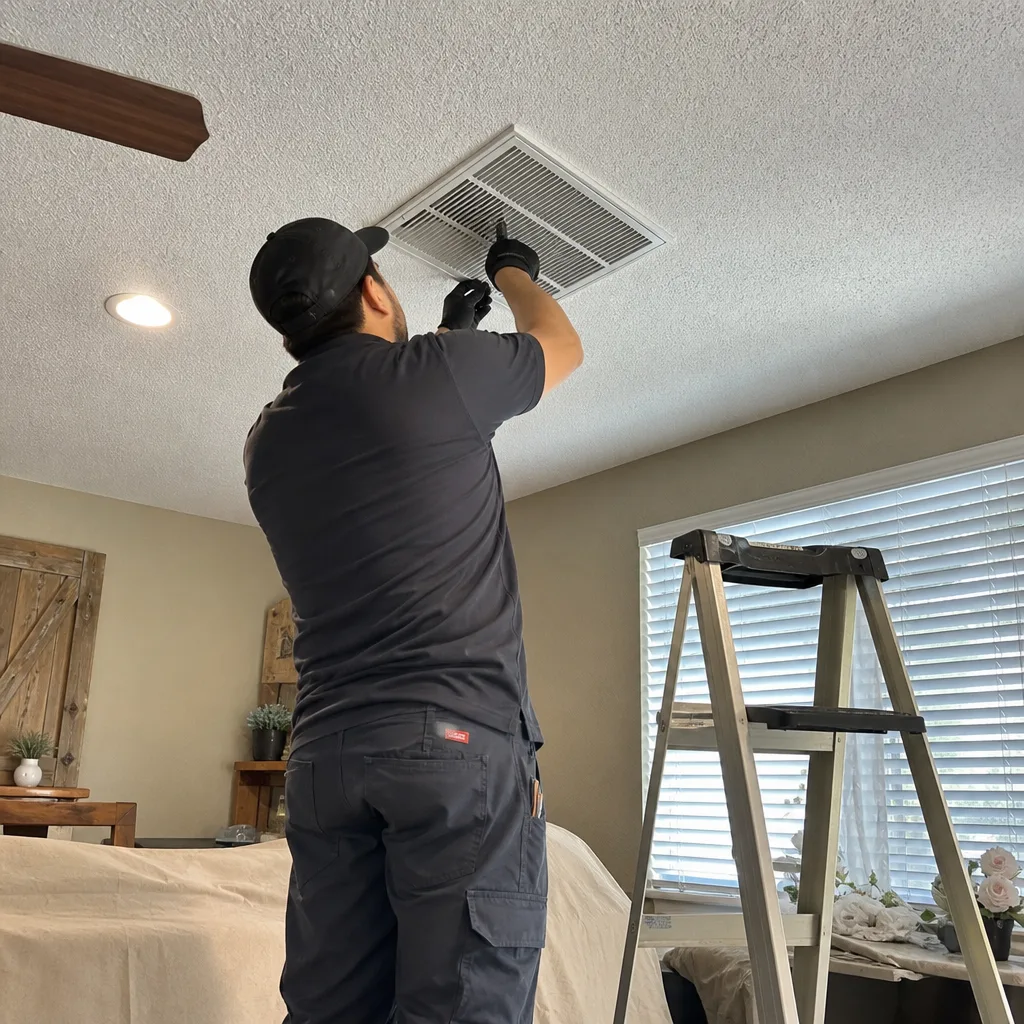
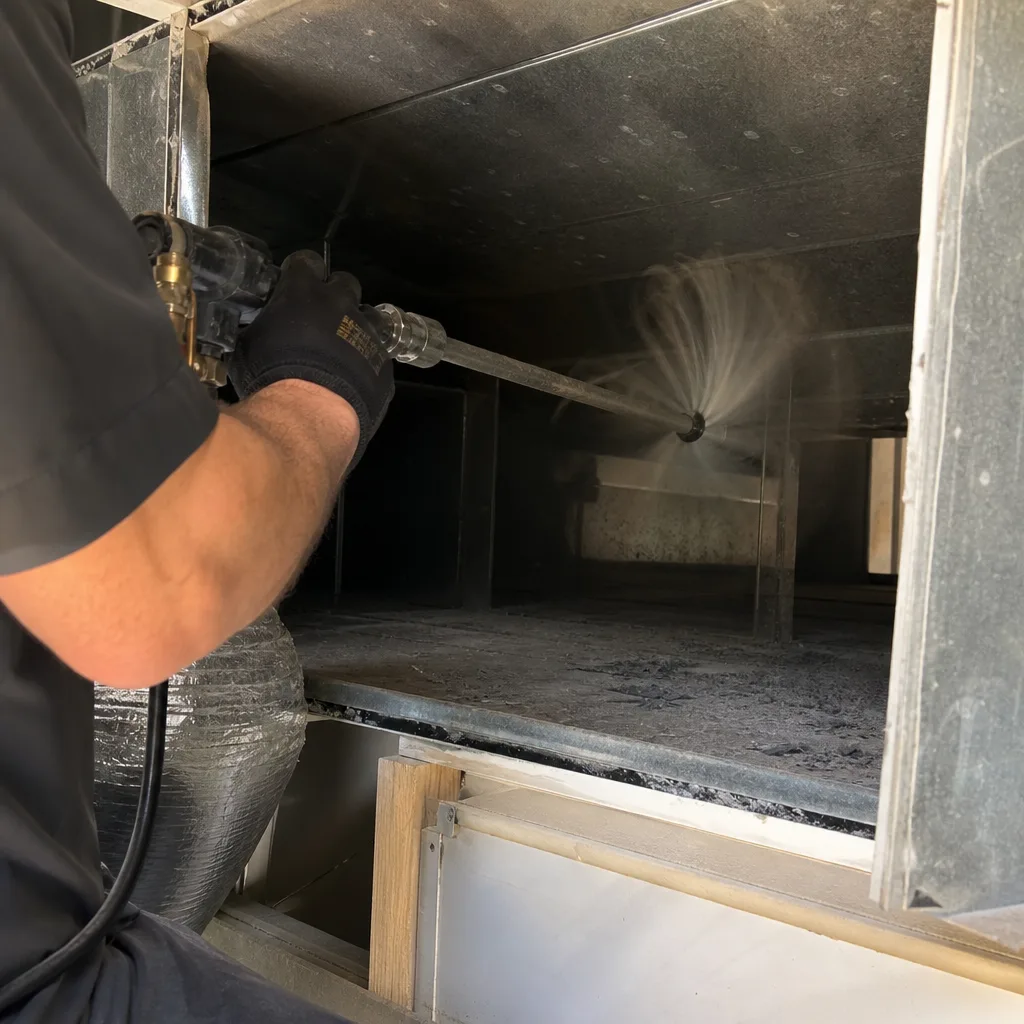
Whole-system duct and dryer vent check with before-and-after photos - you see exactly what came out of your vents
That "$99 whole-house special" is a bait ad - the real number appears once they are in your hallway, or the "clean" is a shop-vac at the register. We photograph the inside of your ducts before and after instead.
 Before
 After
After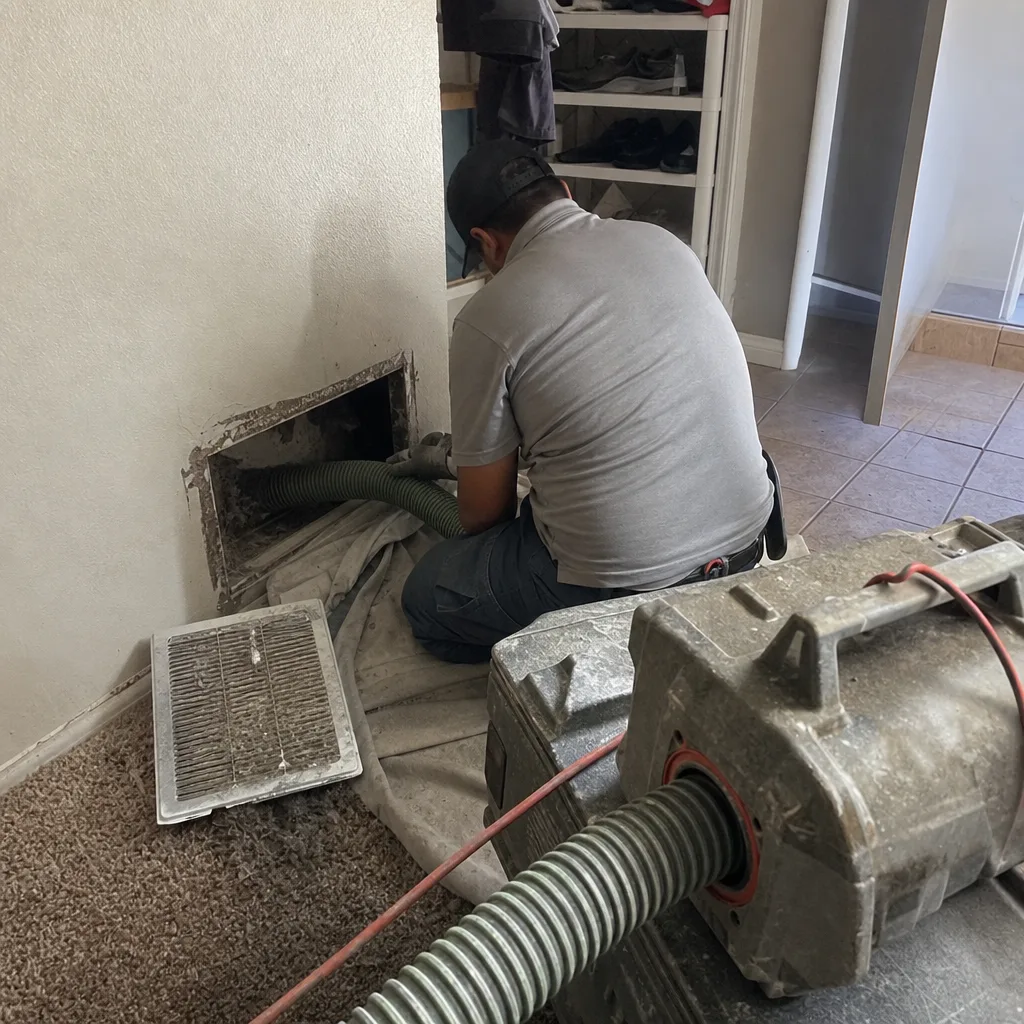 Before
 After
After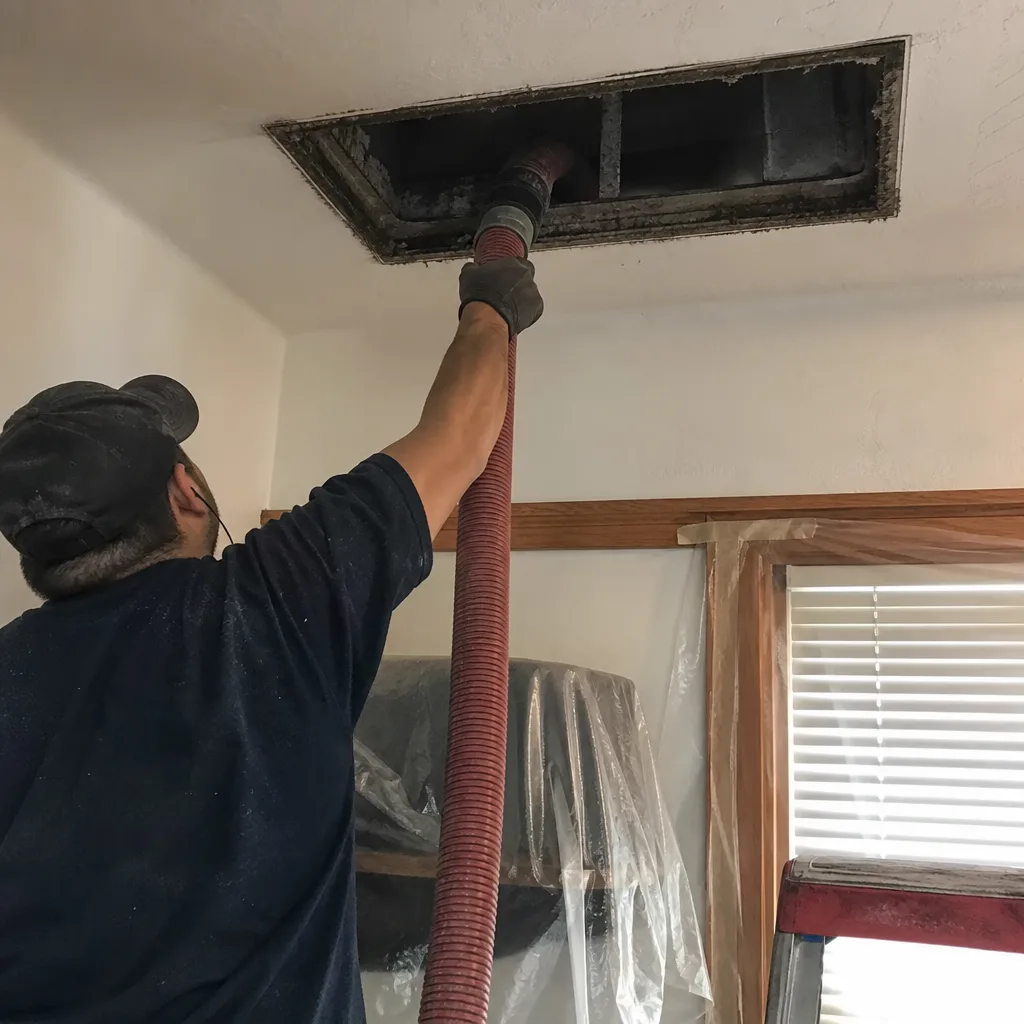 Before
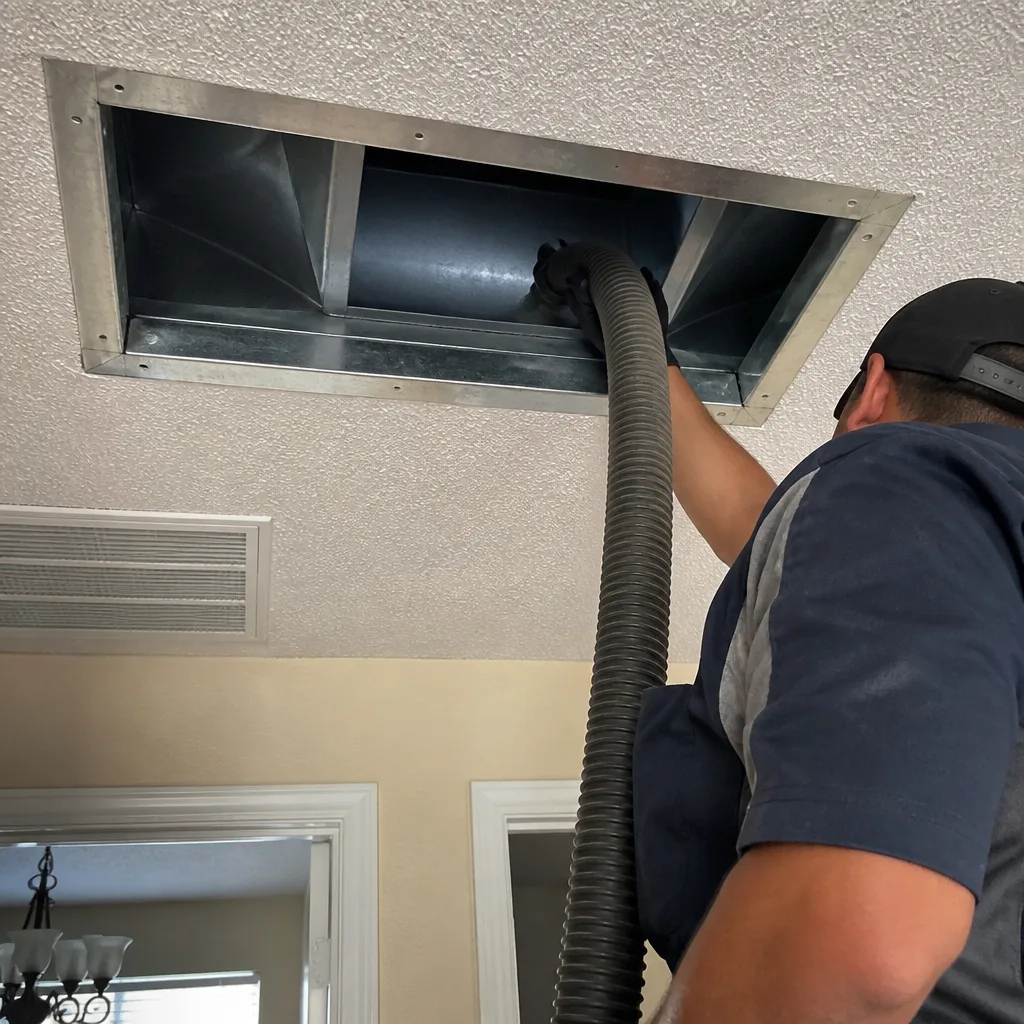 After
AfterHow to Hire a Air Duct Cleaning Contractor in Mesa: A Step-by-Step Guide
The Arizona Registrar of Contractors lists “air duct cleaning” under no license category. That single fact reshapes everything about hiring in Mesa. The person who shows up at your door tomorrow could have zero formal training, zero state oversight, and zero consequence for damaging your HVAC system or leaving your ducts worse than they found them. In a market where anyone with a truck and a shop vac can print business cards, the only protection you have is the paperwork you demand before the work starts. This guide shows you the exact documents to request, the on-site tests to run, and the red-flag language that separates accountable Air Duct Cleaning contractors from the rest.
Quick Answer
To hire an air duct cleaning contractor in Mesa, demand three documents before anyone enters your home: a written itemized quote with line-item pricing, proof of general liability insurance with your address listed as the job site, and a verifiable NADCA membership or equivalent certification number. Verify the contractor’s negative-pressure vacuum system pulls 1,500-2,000 CFM by asking to see the gauge reading before work begins, and reject any quote that uses “up to X vents” or “additional charges may apply.”
Table of Contents
- Why the Mesa Market Is Different
- The Three Documents to Request Before Anyone Enters Your Home
- The Equipment Test You Can Run in Your Driveway
- Red Flag Language in Quotes and Proposals
- How to Verify a Contractor’s Mesa Reviews Are Real
- What Your Post-Job Documentation Package Should Contain
- What Air Duct Cleaning Costs in Mesa
- Common Mistakes to Avoid
- When to Call a Professional
- Frequently Asked Questions
- The Bottom Line
BeforeAfterWhy the Mesa Market Is Different
Mesa sits in the Sonoran Desert’s urban core, where summer temperatures regularly exceed 110°F and dust storms - haboobs - sweep through the East Valley from June through September. Your HVAC system runs eight to ten months of the year, pulling in that fine desert silt through intake vents, past the filter, and into the ductwork. By the time a typical Mesa homeowner notices reduced airflow or uneven cooling, the debris layer inside the plenum - the central distribution box where heated or cooled air mixes before entering individual duct runs - can measure half an inch or more.
This climate reality creates two problems for hiring. First, demand spikes after major dust events, and fly-by-night operators materialize overnight. Second, the work itself is harder to evaluate. A contractor can run a vacuum for twenty minutes, pack up, and leave your ducts functionally unchanged. The debris is hidden. The “after” state is hidden. Without documentation, you’re buying a story, not a service.
We’ve been working in Mesa since 2013, and the pattern repeats every haboob season. A homeowner in Dobson Ranch or Las Sendas calls after a storm, gets a same-day visit from a company they’ve never heard of, and pays $89 for what turns out to be a shop vac pushed into a floor register. The system still wheezes. The dust still blows. And the company vanishes by November.
The Mesa market rewards contractors who document their work and punishes those who don’t. But only if you know what to ask for.
The Three Documents to Request Before Anyone Enters Your Home
Every legitimate contractor should produce these three documents without hesitation. If any request is met with delay, deflection, or irritation, that’s your answer.
Document 1: Written Itemized Quote, Not a Price Range
The quote must list each component of the job separately: number of duct runs to be cleaned, access panel locations, main trunk line cleaning, plenum cleaning, register and boot cleaning, and any additional services such as dryer vent cleaning in Mesa. Each line item carries its own price. The total is the sum. There is no “starting at,” no “up to,” no “additional charges may apply.”
At CleanRun, we call this Haven Standard Clause 1: Written Price Before Any Work Starts. The technician delivers the full quote in writing before removing a single panel. If the scope changes - if we open a duct run and find a collapsed section that needs repair - the homeowner signs a revised written quote before that work proceeds. No verbal add-ons. No invoice surprises.
Ask specifically: “Will this quote be the final price, or are there conditions where it could increase?” Write down the answer. A contractor who won’t commit in writing to a fixed scope and price is planning to expand the invoice.
Document 2: Proof of General Liability Insurance With Your Address as Job Site
General liability insurance protects you if a technician damages your property or is injured on your premises. But here’s the detail most Mesa homeowners miss: the certificate of insurance must list your specific address as the job site. A generic certificate showing the company carries $1 million in coverage means nothing if your property isn’t named.
Request the certificate directly from the insurance broker, not from the contractor. This takes two minutes by email and eliminates the possibility of a forged or outdated document. The certificate should name CleanRun Air Duct Cleaning Mesa or the contractor’s legal business entity, show coverage dates that include your scheduled appointment, and list your address in the “job site” or “additional insured” field.
Document 3: NADCA Membership or Equivalent Certification Number
The National Air Duct Cleaners Association (NADCA) maintains training standards and a certification program for Air Systems Cleaning Specialists (ASCS). A certified technician has passed examination on HVAC system design, cleaning methods, and containment protocols. The certification number is verifiable on NADCA’s website.
No NADCA membership? Ask for equivalent documentation: certification from the Indoor Air Quality Association (IAQA), manufacturer training certificates from Rotobrush, Nikro, or Abatement Technologies, or state-level HVAC contractor licensing that includes duct cleaning in scope. The key is verifiability. A certificate on a wall proves nothing. A number you can look up online does.
At CleanRun, our technicians operate under Haven Standard Clause 3: Verified Crews. Background checks, uniformed arrival, and identification by name before entry. We publish our credentials because they withstand inspection.
The Equipment Test You Can Run in Your Driveway
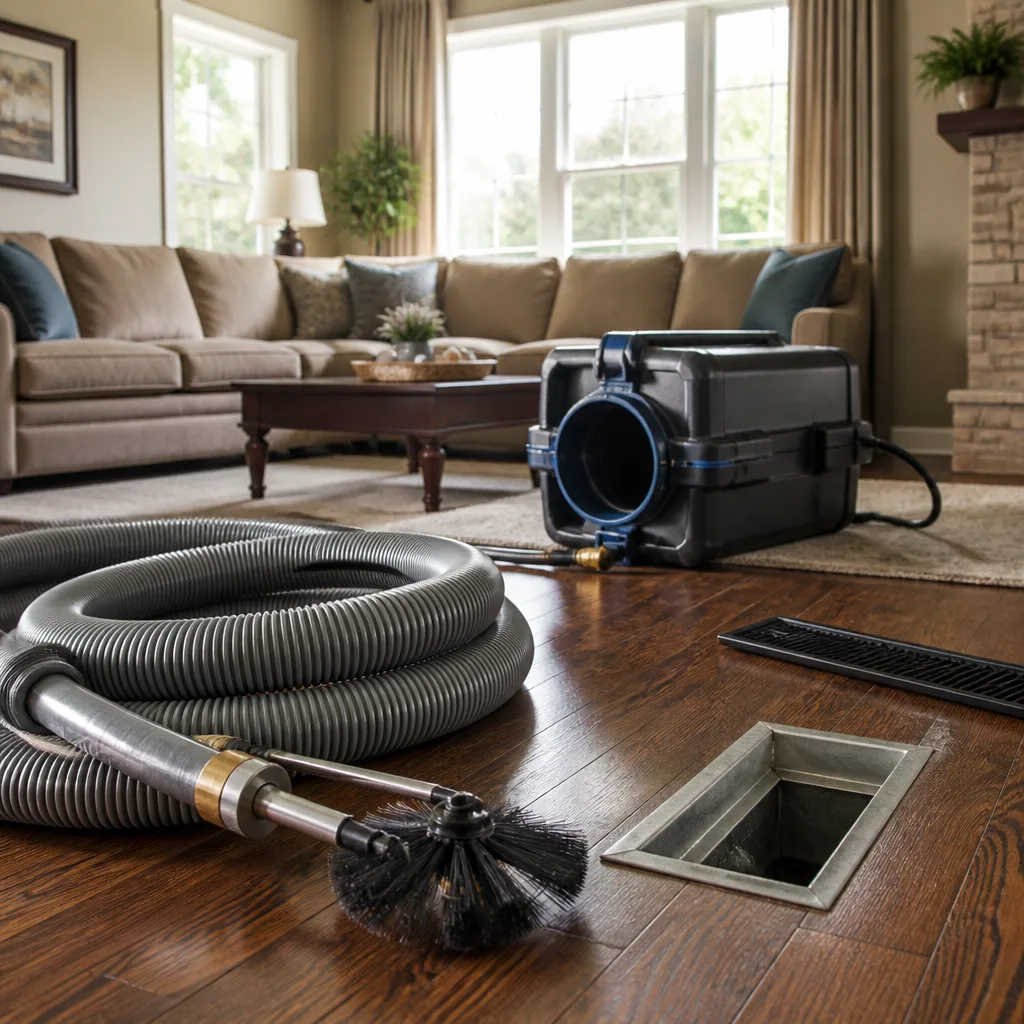
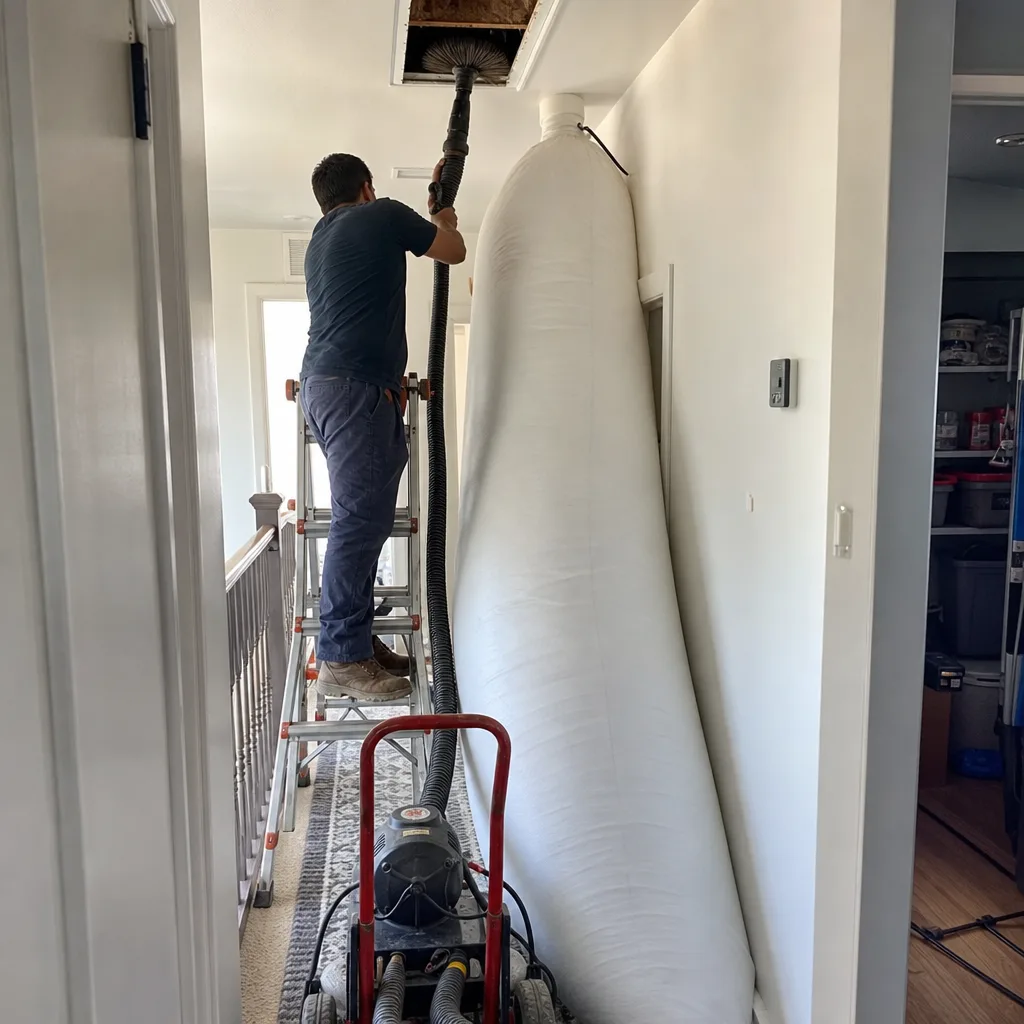
The single most important piece of equipment on a duct cleaning job is the negative-pressure vacuum system. This machine creates suction at the main trunk line, pulling debris backward through the ductwork toward a collection chamber. Without adequate airflow, the system stirs dust instead of removing it.
Here’s the test: before any work begins, ask the technician to show you the vacuum’s CFM gauge reading. A legitimate negative-pressure system for residential duct cleaning should read between 1,500 and 2,000 CFM - cubic feet per minute - at the collection unit. Below 1,500 CFM, the suction is insufficient to pull heavy debris from distant duct runs. Above 2,000 CFM on a residential system, you may be looking at industrial equipment that risks damaging flexible ductwork or dislodging connections.
The technician should explain this number without hesitation. If they don’t know the CFM rating, if the gauge is “broken,” or if they dismiss the question as unnecessary, stop the job. We’ve seen contractors in Mesa arrive with modified carpet extractors or repurposed wet/dry vacuums pulling 400 CFM. That’s not duct cleaning. That’s theater.
Professional-grade equipment from trade-recognized manufacturers - Rotobrush for rotary brush systems, Nikro for portable HEPA vacuums, Abatement Technologies for negative-air machines - carries visible model numbers you can verify independently. Ask what brand and model is being used. Look it up on the manufacturer’s website while the technician watches. A contractor using legitimate equipment has nothing to hide.
At CleanRun, our equipment roster includes Rotobrush, Nikro, Abatement Technologies, Honeywell, Aprilaire, and Guardsman systems. We name these brands specifically so customers can research them before we arrive. The negative-pressure gauge reading is recorded in the job documentation and included in the photo record delivered after completion.
Red Flag Language in Quotes and Proposals
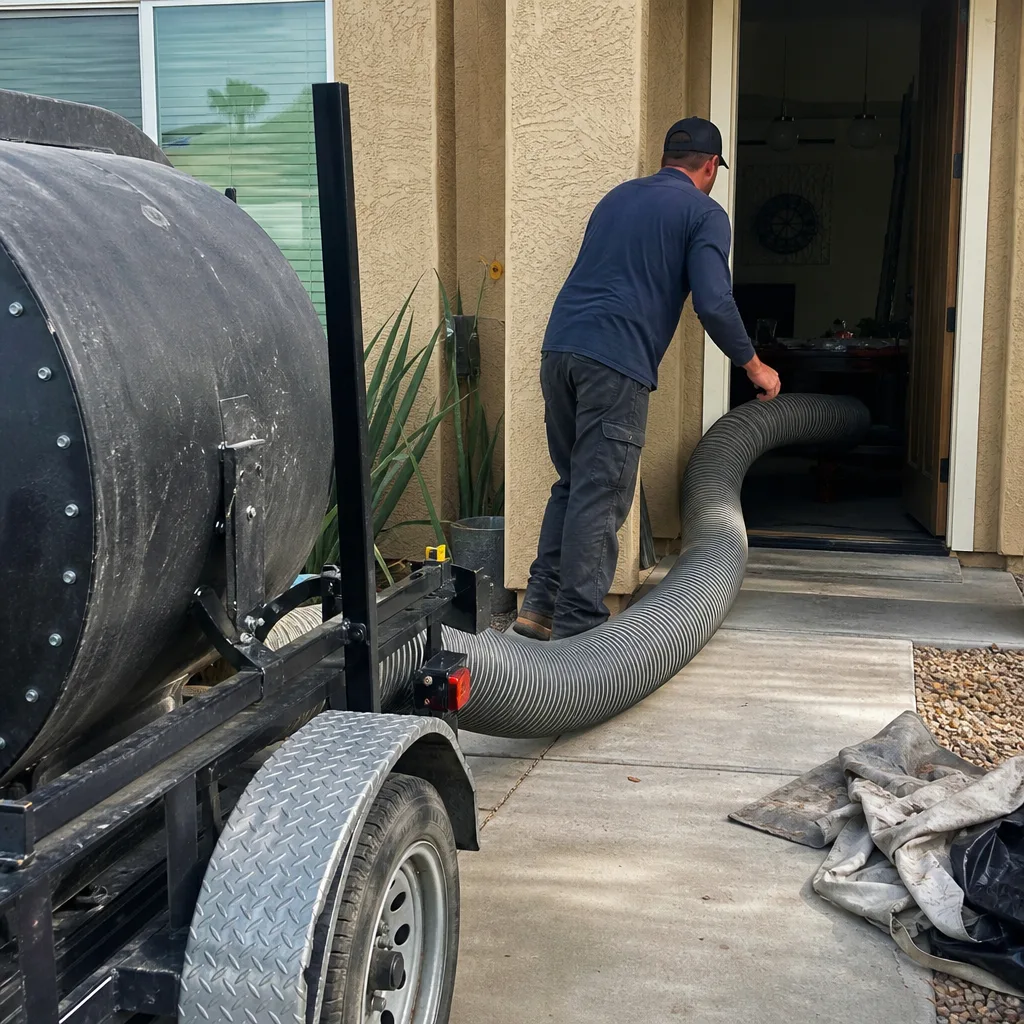
Certain phrases in a duct cleaning quote predict bad outcomes with near-certainty. Learn to spot them.
- “Up to X vents.” This creates a counting game at your expense. The contractor defines what counts as a “vent.” Return grilles? Supply registers? Basement stubs? By the time the count exceeds the limit, you’re already committed.
- “Additional charges may apply.” This is a blank check. Ask for an exhaustive list of every possible additional charge, with trigger conditions written in plain language. If the contractor can’t provide one, they plan to invent charges on site.
- “Whole house special” without square footage or duct count. A 1,200-square-foot ranch in Alta Mesa and a 3,400-square-foot two-story in Eastmark have radically different duct systems. A flat price without scope definition is either a loss leader (with upsells to follow) or a sign the contractor doesn’t inspect before quoting.
- Verbal quotes without line-item breakdown. Every promise made on your doorstep should appear on paper. Verbal quotes evaporate when disputes arise.
- “Sanitizing included” without EPA registration number. Chemical sanitizers applied to ductwork must be EPA-registered for that specific use. Ask for the product name and registration number. Look it up. Unregistered chemicals can damage duct lining and create respiratory hazards.
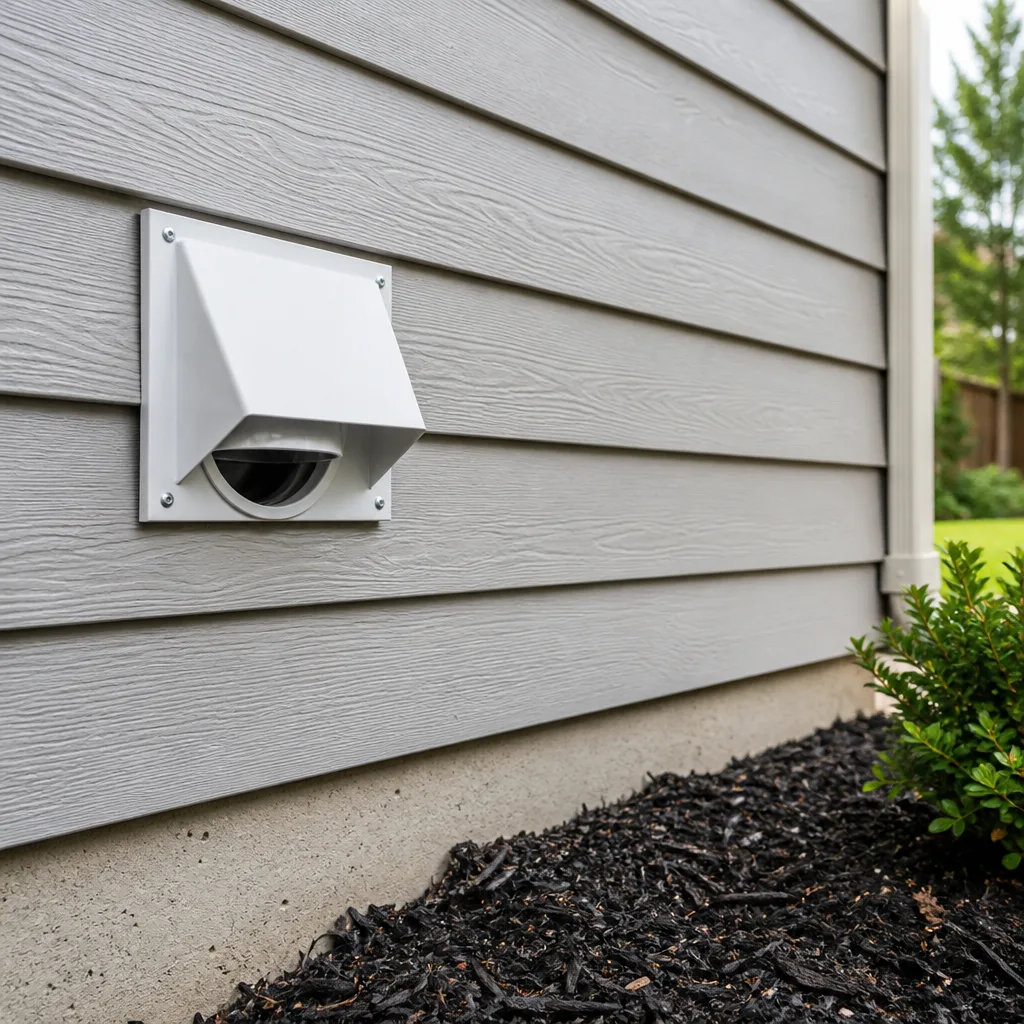
- “We noticed your dryer vent needs cleaning too.” This may be true. But if the observation comes after the technician is inside your home and the “additional service” lacks a separate written quote, it’s a pressure tactic. Legitimate dryer vent cleaning in Mesa requires its own scope and price, delivered in writing before work starts.
At CleanRun, we publish our pricing structure because Haven Standard Clause 1 doesn’t accommodate surprises. The written quote you receive before work starts contains every line item, every condition, every total. If we find something unexpected - a disconnected duct run behind a wall, a collapsed section in the attic - we stop, explain, and deliver a revised written quote before proceeding. No exceptions.
How to Verify a Contractor’s Mesa Reviews Are Real
Review manipulation is systematic in home services. Here’s how to detect it.
- Cross-reference reviewer profiles across platforms. A reviewer who praised “Amazing service!!!” on Google should have some posting history on Yelp, Facebook, or Nextdoor. A profile with one review, created the month the business opened, is suspect.
- Check for review clustering. Twenty reviews posted in a three-day period, followed by silence for months, suggests a purchased review batch. Genuine service businesses accumulate reviews steadily, with seasonal variation.
- Read the critical reviews first. A contractor with fifty five-star reviews and zero criticism is statistically improbable. Look for three- and four-star reviews that describe specific experiences. These are harder to fake and often contain the most useful information about communication, punctuality, and cleanup.
- Verify Mesa-specific details in positive reviews. Fake reviews tend toward generic praise. Real reviews from Mesa homeowners mention specific neighborhoods (Red Mountain Ranch, Superstition Springs), local landmarks, or climate-related issues (“after the July haboob”).
- Search the reviewer’s name with the contractor’s name. If “John D.” reviewed five different duct cleaning companies in three states within two months, that’s a paid reviewer.
We’ve served over 52,000 homes since 2013, and our review profile reflects that volume across years, not weeks. We don’t solicit reviews with incentives or pressure. The documentation we deliver - the photo record, the written warranty - generates feedback organically because customers have concrete evidence to reference.
What Your Post-Job Documentation Package Should Contain
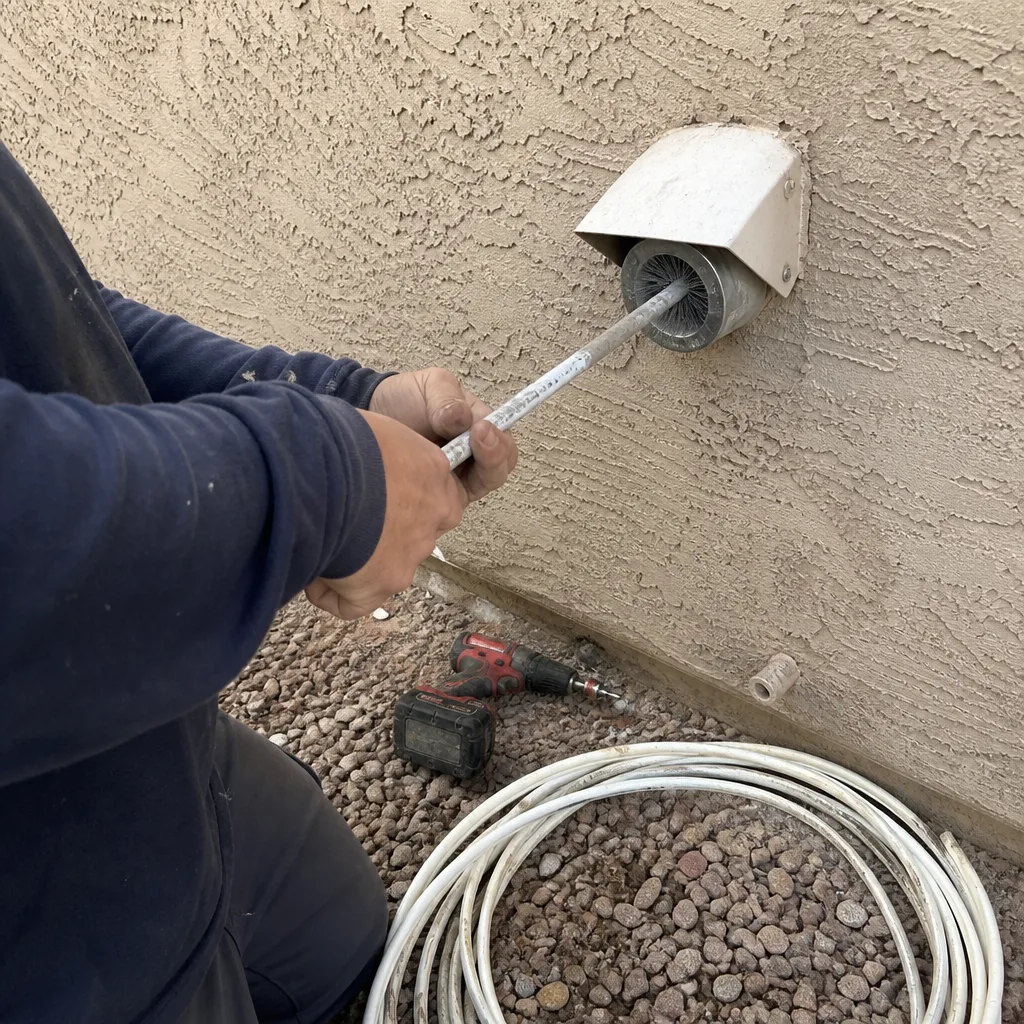
The work is finished. The truck is gone. What should you hold in your hands?
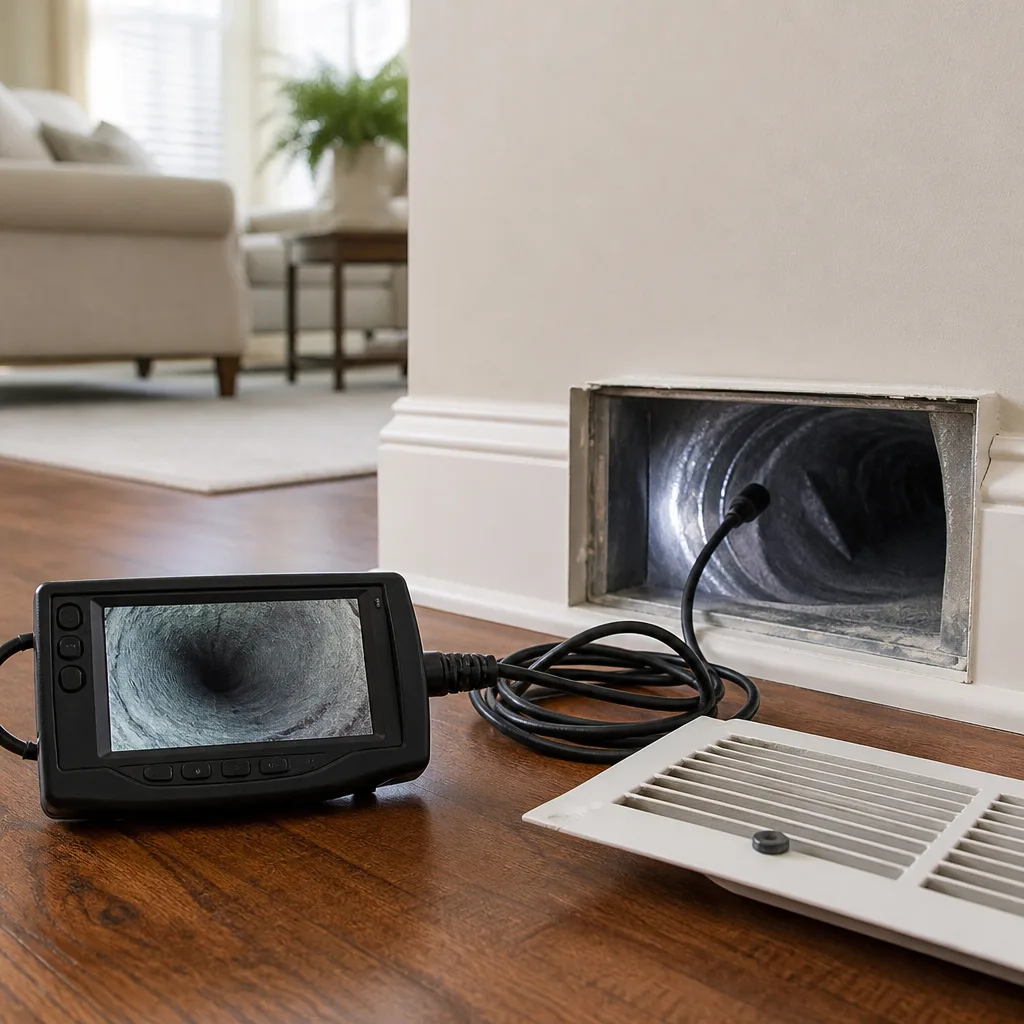
A contractor who performed legitimate work will deliver indexed before-and-after photographs of every duct run - the individual supply and return lines extending from the plenum to each room. Each photo should be labeled by location: “Master bedroom supply, before” and “Master bedroom supply, after.” The images should show the interior duct surface, not just the register opening. A photo of a clean floor register proves nothing about the ductwork behind it.
The documentation package should also include:
- The original written quote and any revised quotes signed during the job
- A scope completion checklist showing each item from the quote, initialed by the technician
- Equipment readings: the negative-pressure vacuum CFM at start and finish, and any airflow measurements taken at registers
- The 365-Day Done Right Promise in writing, with specific terms for recourse if problems emerge
At CleanRun, the Documented Photo Record is standard on every visit, included in the base price, not an add-on. Since our first job in 2013, we’ve photographed the inside of every duct run before and after. Customers receive these images as part of the standard job record, indexed and labeled. If a contractor won’t provide this - if they claim “we don’t do photos” or offer a single representative image - they’re telling you something important about their process. Either the work wasn’t thorough enough to photograph, or it wasn’t done at all.
The 365-Day Done Right Promise backs every job in writing. If the work is not right, we make it right. Not a policy subject to manager approval. A written guarantee with a specific process for invocation.
What Air Duct Cleaning Costs in Mesa
Honest whole-system pricing in the Mesa market ranges from $400 to $900 for a typical single-family home between 1,500 and 3,000 square feet. See our Air Duct Cleaning Cost Breakdown: The Mesa Homeowner’s Reference for 2026 for detailed line-item guidance. This covers complete cleaning of all supply and return duct runs, the main trunk lines, the plenum, and all registers and boots. Larger homes, homes with multiple HVAC systems, or properties with extensive flexible ductwork in attic spaces may run higher.
Prices below $300 should trigger immediate scrutiny. At that level, the contractor is either losing money on every job (and making it up with aggressive upselling) or performing surface-level work that doesn’t address the duct interior. The $79-$99 coupon specials that appear in Mesa mailers every spring are loss leaders designed to get a foot in the door. The average invoice after “additional recommended services” typically exceeds $600.
Here’s how to evaluate what you’re being quoted:
| Price Range | What It Typically Includes | Questions to Ask |
|---|---|---|
| $150-$300 | Register vacuuming only; no duct interior access | “Will you open the plenum and clean inside each duct run?” |
| $300-$500 | Partial system cleaning; limited duct runs | “How many duct runs are included? What counts as a ‘vent’?” |
| $400-$700 | Complete system cleaning with documentation | “Do you provide before/after photos of each duct run?” |
| $700-$1,000+ | Large homes, multiple systems, or repair work included | “Is this a fixed price or can it increase based on conditions found?” |
At CleanRun, we deliver one flat price per system, agreed in writing before work starts. No per-vent pricing. No teaser rates. The price you sign is the price you pay. For an exact quote on your Mesa home, call (602) 632-0849. Estimates are free.
Common Mistakes to Avoid
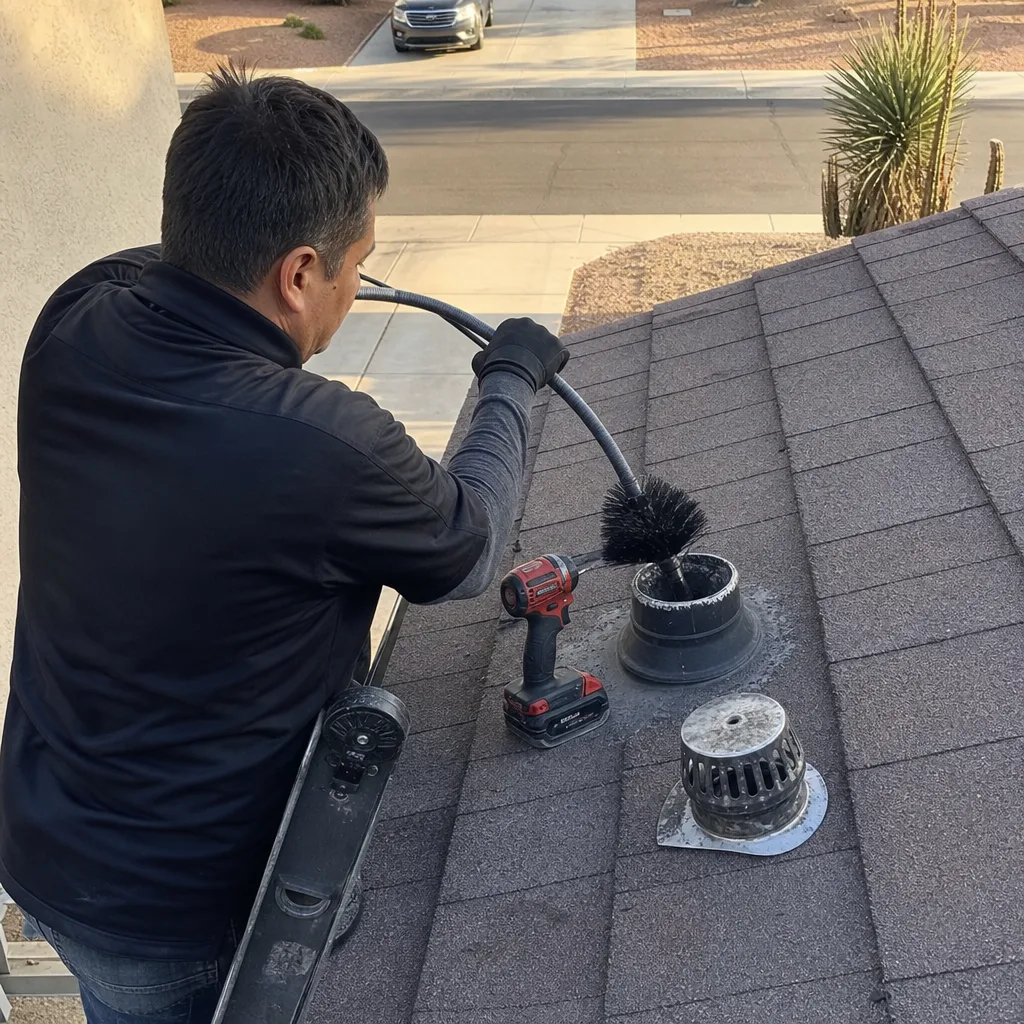
- Hiring based on coupon price alone. The $79 special in your mailbox isn’t a deal. It’s a customer acquisition cost for a high-pressure sales operation. In Mesa’s competitive market, legitimate equipment, trained technicians, and documentation cost more than that.
- Accepting verbal promises about scope. “We’ll clean everything” means nothing without a written duct count and location list. Get it on paper.
- Ignoring the pre-existing condition of your HVAC system. Mesa’s hard water and dust create unique wear patterns. A contractor who doesn’t ask about your system’s age, filter change history, or prior repairs isn’t planning for your specific situation.
- Scheduling during haboob season without asking about containment protocols. Opening your duct system during active dust events requires additional precautions. Ask how the contractor prevents recontamination during and immediately after cleaning.
- Not requesting the photo record before payment. Once you’ve paid, your leverage disappears. Insist on reviewing the documented before/after images while the technician is still on site.
- Assuming all “certifications” are equal. A certificate from a manufacturer training session is valuable. A “certified duct cleaner” credential from an unrecognized online course is not. Verify the issuing organization.
- Neglecting to check if the contractor also offers related services you may need. A company that provides HVAC cleaning in Mesa alongside duct cleaning can coordinate maintenance more efficiently than hiring separate vendors.
When to Call a Professional
Call a professional when you notice reduced airflow from multiple registers, visible dust accumulation on vent covers within weeks of cleaning, uneven heating or cooling between rooms, or musty odors when the system runs. In Mesa’s climate, these symptoms often indicate debris buildup in the plenum or restricted duct runs rather than HVAC equipment failure.
Also call before a major home renovation. Construction dust infiltrates duct systems rapidly, and post-renovation cleaning protects both your equipment and indoor air quality.
CleanRun Air Duct Cleaning Mesa offers free estimates throughout Mesa and the East Valley. Every estimate includes a written price before any work starts, and every completed job includes the Documented Photo Record and 365-Day Done Right Promise. Call (602) 632-0849 to schedule.
Frequently Asked Questions
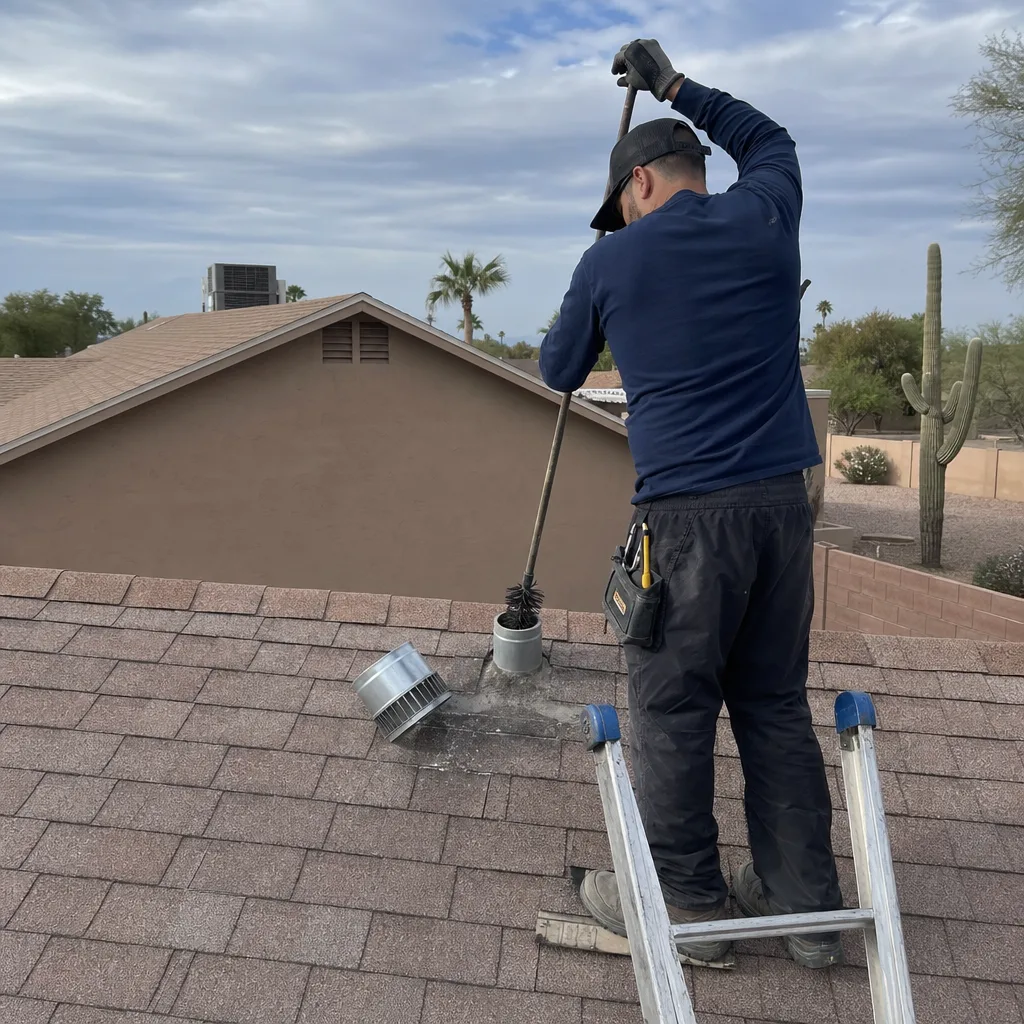
Complete air duct cleaning for a typical Mesa home ranges from $400 to $900, depending on home size, number of HVAC systems, and duct accessibility. Prices below $300 typically indicate limited scope or aggressive upselling. Call (602) 632-0849 for a free written estimate with exact pricing for your home.
Low quotes usually exclude essential components of the job. A $99 “whole house special” often covers only register vacuuming, not interior duct cleaning. The contractor then presents “recommended additional services” on site, inflating the final invoice. Always request a line-item breakdown showing every duct run, trunk line, and plenum to be cleaned.
Demand indexed before-and-after photographs of every duct run, labeled by location. Review these images before the technician leaves. At CleanRun, the Documented Photo Record is standard on every job, delivered as part of the completed service record.
Most Mesa homes benefit from cleaning every three to five years, but haboobs, renovations, or homes with pets may need more frequent service. Our Seasonal Air Duct Cleaning Care for Mesa: Year-Round Homeowner’s Guide explains how to time service for maximum protection. The desert climate pulls more particulate into systems than milder regions. A visual inspection through a register opening can reveal whether your ducts are due.
No. Arizona does not license duct cleaning specifically, which is precisely why verifying credentials matters. NADCA certification is voluntary but indicates tested knowledge of proper methods and containment. Always ask for a certification number you can verify independently.
DIY duct cleaning with household vacuums is ineffective and potentially damaging. Residential vacuums lack the suction and containment of professional negative-pressure systems, and improper brush use can puncture flexible ductwork or dislodge connections. For air duct cleaning in Mesa, professional equipment and training produce measurable, documented results that DIY methods cannot replicate.
The Bottom Line
Hiring a duct cleaning contractor in Mesa is not about finding someone trustworthy. For more guides & resources on protecting your home, explore our blog. It’s about demanding the documentation that makes trust irrelevant. The three documents - written itemized quote, insurance certificate with your address, and verifiable certification - protect you in a market with no state licensing. The equipment test separates real negative-pressure systems from shop vac theater. The post-job photo record proves what was done. And the red-flag language in quotes predicts the outcome before anyone enters your home.
At CleanRun, we’ve built our practice around these standards since 2013. The Haven Standard, the written price before work starts, the Documented Photo Record, and the 365-Day Done Right Promise aren’t marketing language. They’re the minimum documentation every homeowner should receive from any contractor they hire.
Written by Tomas Reyes, Owner at CleanRun Air Duct Cleaning Mesa, serving Mesa since 2013.